
From morning breakfasts to evening dinners, Tasteza Recipes offers quick and easy recipe ideas, featuring everything from wholesome meals to delicious desserts for every moment and every occasion.


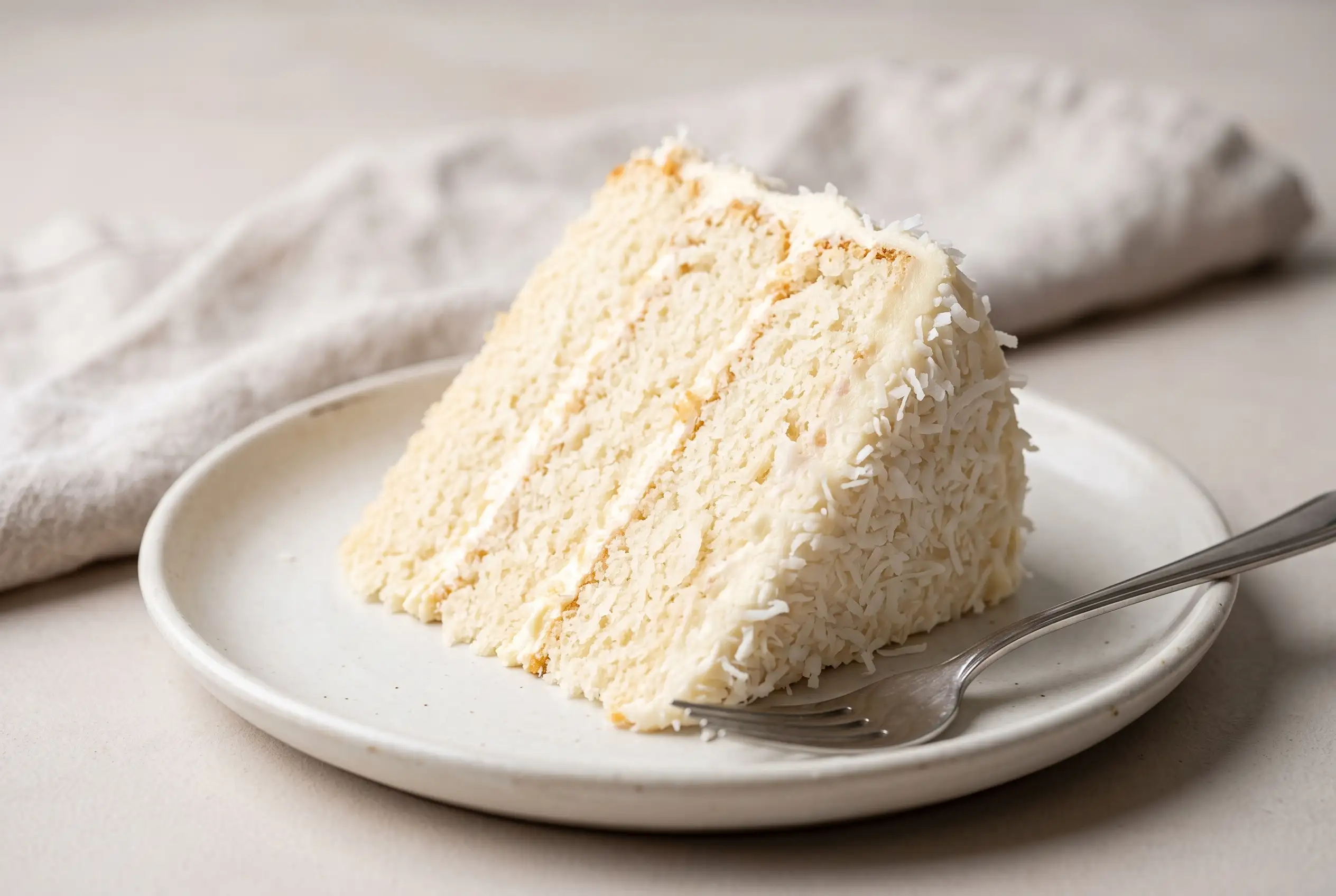
Coconut cake recipe fans often look for a dessert that feels special without requiring complicated techniques, and this coconut cake recipe creates a moist layer cake with canned coconut milk, shredded coconut, and a soft crumb. The combination delivers a gentle coconut aroma and a tender texture that works for family gatherings, celebrations, or relaxed weekend baking.
Coconut Cake’s Moist Texture Comes From Coconut Milk
Canned coconut milk is the defining ingredient that shapes the character of this cake. The added richness helps create a soft texture while bringing noticeable coconut flavor into every layer. Combined with unsweetened coconut flakes, it creates the signature profile expected from a moist coconut layer cake.
Carefully balanced liquids also influence the crumb. Buttermilk contributes tenderness and a subtle tang, while coconut extract strengthens the coconut notes without requiring a large amount. Together, these elements help the cake taste full without becoming heavy.
Many bakers choose a coconut cake with coconut milk because the ingredient is easy to use and delivers reliable flavor. Shaking or stirring the can before measuring helps keep the coconut milk evenly blended, supporting a consistent batter texture from the beginning.
Serving Choices That Highlight Coconut Cake
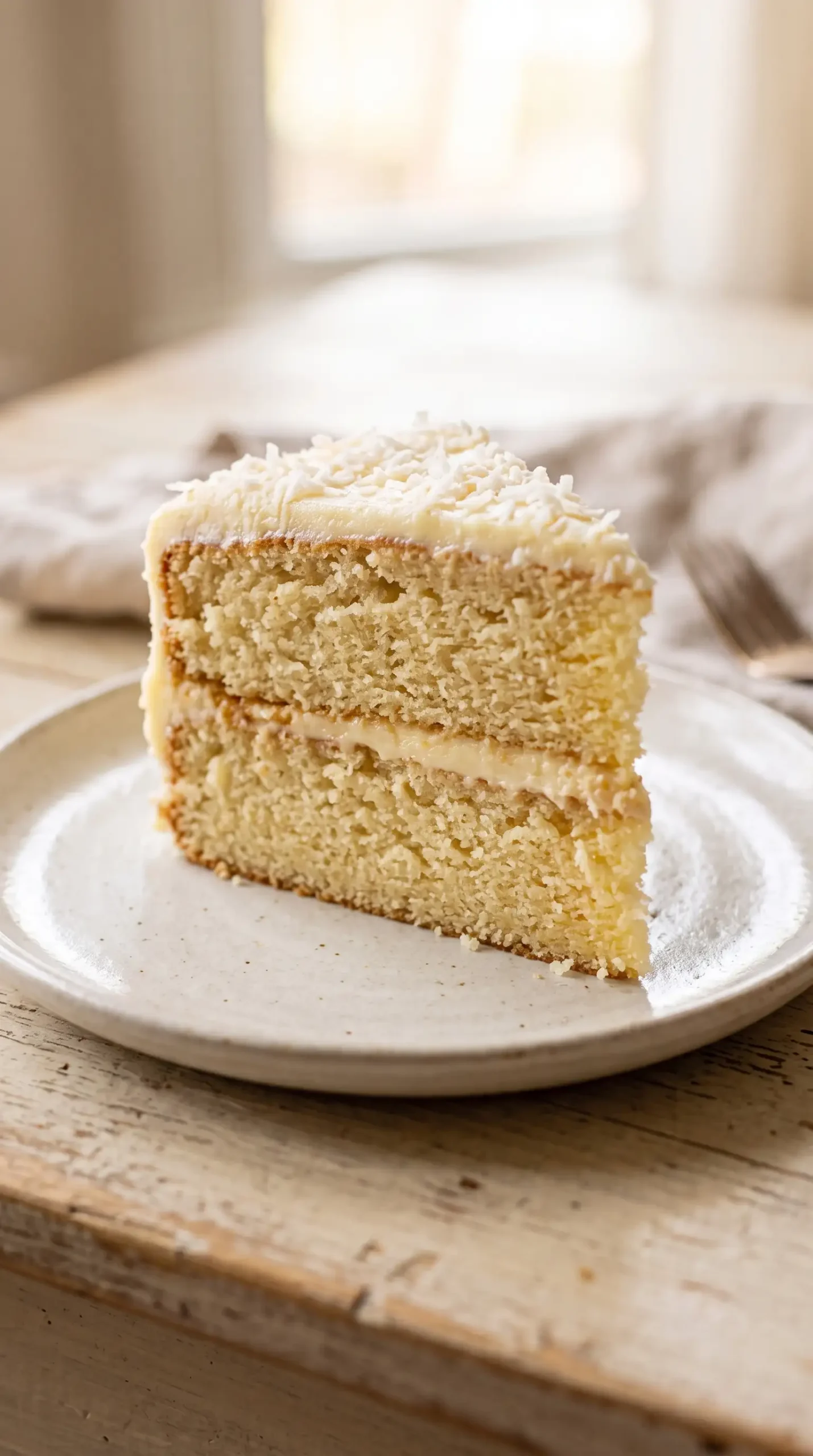
Serving slices at room temperature allows the soft crumb and fresh coconut aroma to stand out. A light coating of cream cheese frosting adds richness and complements the cake’s mild tang, while a plain slice offers a simpler finish for those who prefer less sweetness.
A Smooth Batter Depends on Gentle Mixing Control
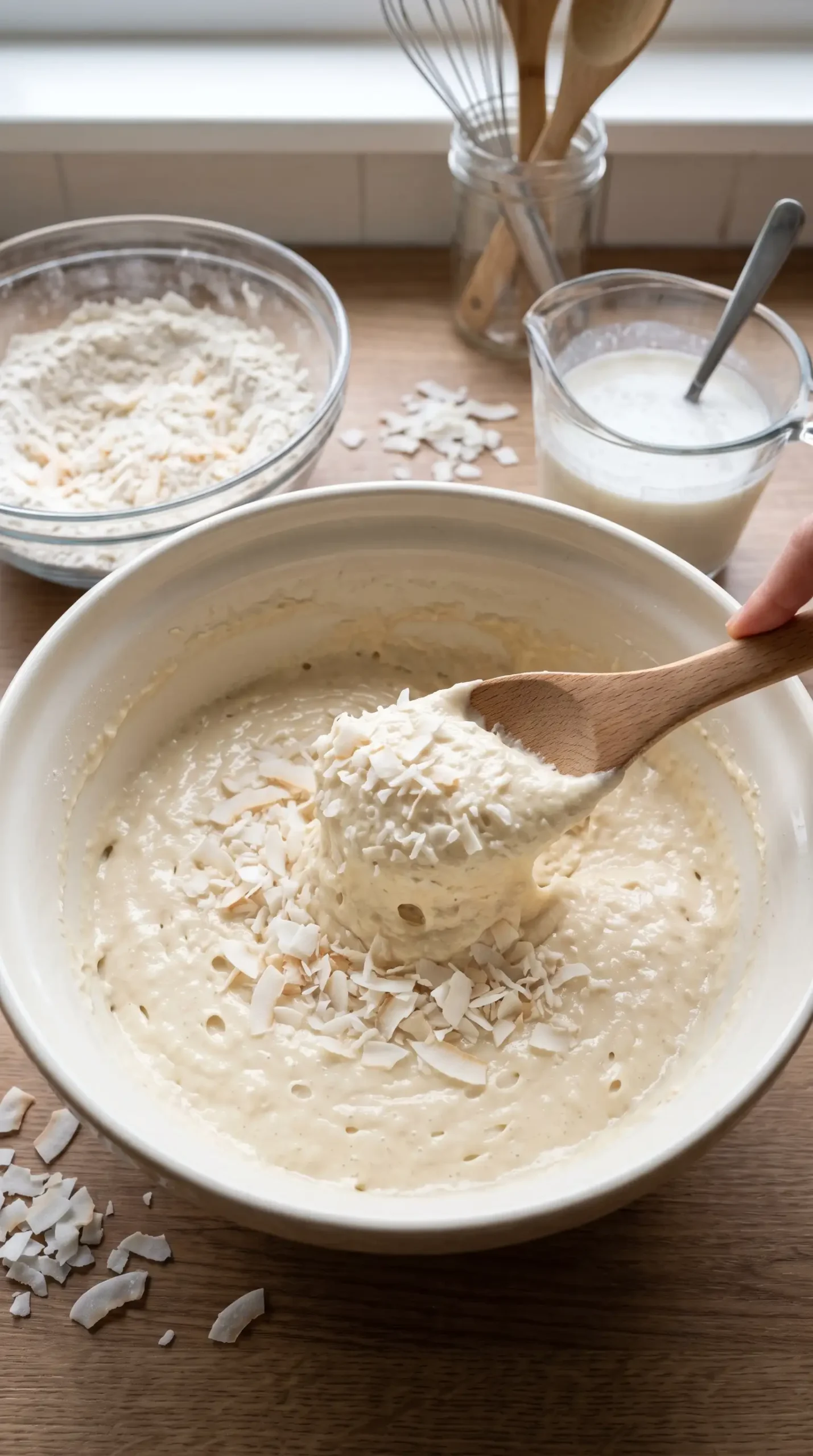
The mixing approach has a major effect on the finished layers. creaming butter and sugar aerates the batter, creating a lighter structure before the remaining ingredients are added.
Alternating the dry ingredients with coconut milk and buttermilk keeps the batter easier to combine without excessive stirring. A careful hand at this stage helps protect the tender texture that makes an easy coconut cake recipe appealing to newer bakers.
Folding in coconut flakes at the end preserves their texture throughout the cake. Once the dry ingredients disappear and the coconut is evenly distributed, additional mixing can work against the delicate crumb.
Frosting and Pairings for a Coconut Layer Cake
Cream cheese frosting remains a classic choice because its tang balances the sweetness of the cake. Fresh tropical fruit, such as sliced mango or pineapple, can add contrast, while black coffee or lightly brewed green tea provides a simple beverage pairing.
Storage Methods Protect Coconut Cake Freshness
Proper storage helps maintain the soft texture of the layers after baking. Unfrosted cake layers can be wrapped tightly and kept at room temperature for up to 24 hours, which makes advance preparation easier when assembling the dessert later.
Frosted cake benefits from refrigeration in an airtight container. This protects the frosting and helps extend freshness for several days while reducing the chance of the topping separating.
Longer storage works best when unfrosted layers are wrapped securely with plastic and foil before freezing. Thawing the layers in the refrigerator before bringing them closer to room temperature helps avoid surface condensation before frosting.
Coconut Cake Variations With Tropical Flavor
Small adjustments can create new versions while keeping the original structure intact. Shredded macadamia nuts can add texture, coconut milk syrup can intensify the coconut character between layers, and a splash of pineapple juice can introduce a tropical note. A fruit-forward dessert such as pineapple cake can bring a bright finish when a different fruit element is preferred.
Common Coconut Cake Mistakes That Affect Texture
Overmixing is one of the easiest ways to change the result of a coconut cake recipe. Once the flour mixture is incorporated, continued mixing can create a denser texture instead of the soft crumb associated with this dessert.
Another frequent issue comes from coconut milk preparation. Using a can that has not been shaken or stirred may lead to uneven moisture distribution, which can affect how the batter behaves during baking.
Several problems can be avoided with a few focused checks:
- Dense layers: Stop mixing once the ingredients are combined and fold coconut flakes gently.
- Uneven batter: Combine canned coconut milk thoroughly before adding it to the mixture.
- Broken layers: Allow baked cakes to cool in their pans briefly before moving them.
Baking Pan Decisions for This Coconut Cake
Two 9-inch cake pans create the classic layered presentation, but other formats can work when baking time is adjusted. The same batter can be prepared as cupcakes or baked in a single 9×13 pan for a different serving style.
| Format | Best use | Baking consideration |
|---|---|---|
| Two 9-inch layers | Traditional stacked cake | Divide batter evenly between pans |
| Cupcakes | Individual portions | Shorter baking time than layers |
| 9×13 pan | Simple serving style | Longer bake time than cupcakes |
Signs Your Coconut Cake Layers Are Ready
A properly baked layer should be checked at the center instead of judged only by the surface. The toothpick test provides a useful indication: a clean toothpick or a few moist crumbs signals that the cake has finished baking.
Cooling is also part of the finishing process. Leaving the layers in their pans for a short period before transferring them to wire racks helps reduce the risk of cracking as the structure settles.
Chilling layers briefly before frosting can create a more stable surface for decorating. This step is especially helpful when applying a cream cheese frosting layer across a soft cake.
Coconut Cake Tips for Better Results
Small preparation choices can improve consistency and flavor. These practical habits help bakers manage the batter, ingredients, and finishing steps:
- Room-temperature ingredients: Use softened butter and room-temperature eggs to help the batter combine smoothly.
- Flour measuring: Spoon cake flour into a measuring cup and level it instead of packing it down.
- Coconut balance: Add extract carefully because its concentrated flavor can quickly become strong.
- Flake placement: Fold coconut flakes gently at the end to maintain a light texture.
Coconut Cake Recipe Moments Worth Sharing
The coconut cake recipe fits occasions where a dependable homemade dessert is useful. Its familiar ingredients and layered presentation make it suitable for birthdays, potlucks, and casual gatherings where a soft coconut dessert can be prepared without complicated methods.
Choosing Coconut Cake Ingredients for the Best Result
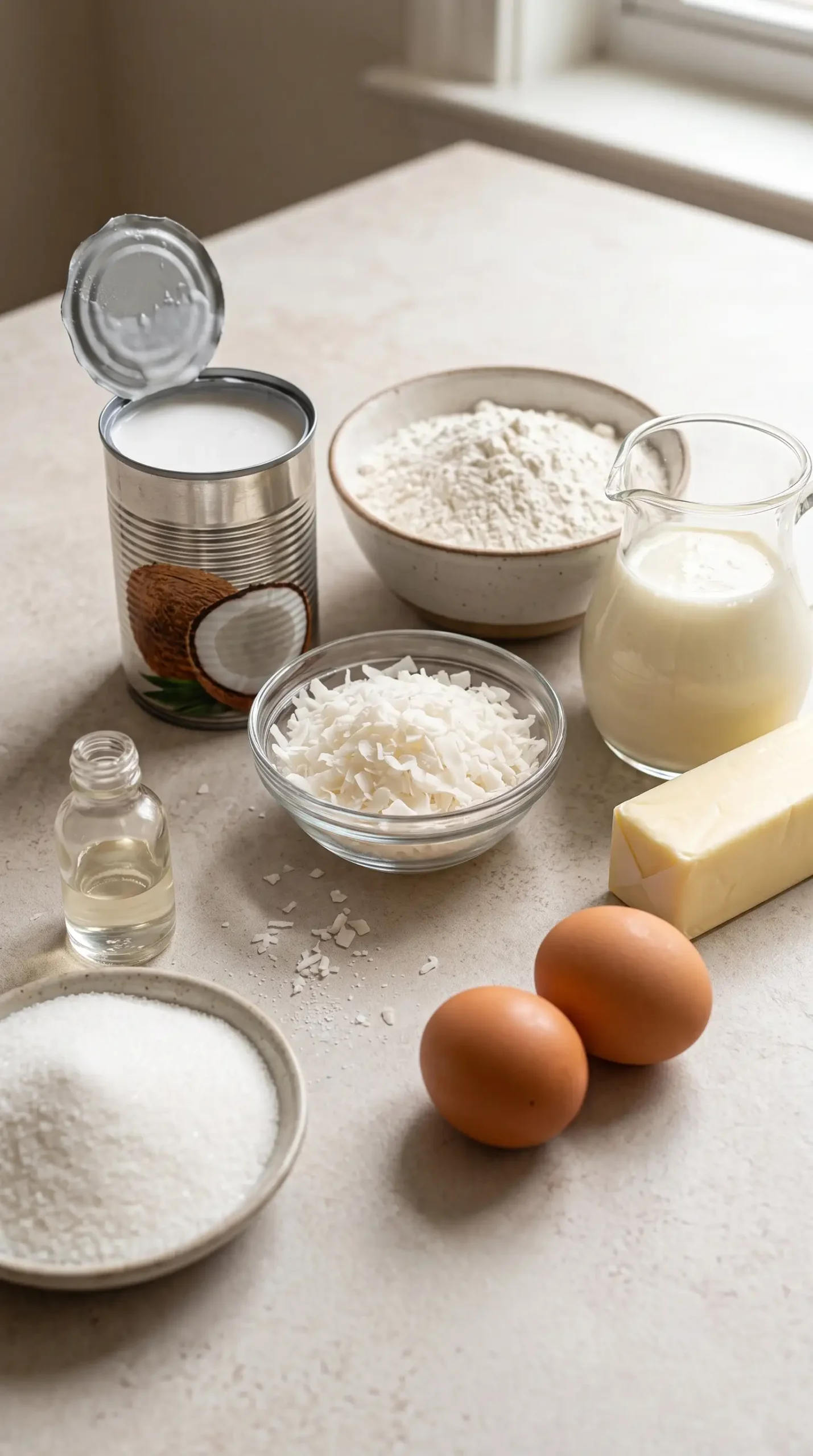
The quality of each component affects the finished balance of flavor and texture. Cake flour supports the delicate crumb, while butter provides richness and helps create the structure needed for a layered cake.
Unsweetened coconut flakes allow the baker to control the sweetness while adding the texture expected from a coconut dessert. Coconut extract works as a supporting flavor rather than the only source of coconut character.
Selecting ingredients with their intended roles in mind makes the baking process more predictable. The combination of flour, coconut milk, coconut flakes, and dairy elements creates the foundation that gives this cake its recognizable style.
Coconut Cake Recipe Layers Create a Balanced Homemade Dessert
Coconut cake recipe success comes from preserving the relationship between moisture, flavor, and structure. Canned coconut milk keeps the crumb tender, while gentle mixing and careful cooling protect the layered texture that defines the dessert.
A moist coconut layer cake does not need complicated additions to stand out. The combination of coconut ingredients, a soft crumb, and a complementary frosting creates a dessert that remains approachable while still feeling memorable.
Coconut Cake Overmixing Questions and Answers
Why does overmixing make coconut cake dense?
Overmixing can affect the tender texture by working the batter more than needed after the dry ingredients are added. Mixing only until combined helps maintain a softer crumb.
How can coconut flakes stay suspended in the batter?
Tossing the flakes with a tablespoon of flour before folding them into the batter can help keep them distributed throughout the cake instead of settling.
Can sweetened coconut replace unsweetened coconut flakes?
Sweetened coconut can be used, but reducing the added sugar slightly helps prevent the finished cake from becoming too sweet.
Is coconut extract required for strong flavor?
Coconut extract increases the intensity of the coconut taste, but canned coconut milk and coconut flakes already provide flavor even without the extract.
What frosting works best with coconut cake?
Cream cheese frosting pairs especially well because its tang complements the coconut flavor, while buttercream offers a sweeter alternative.
Can coconut cake be frozen after frosting?
Frosted cake can be frozen briefly, but freezing unfrosted layers and adding frosting after thawing generally helps preserve the best texture.
Coconut Cake with Coconut Milk and Shredded Coconut
This coconut cake recipe makes a moist, tender dessert with a soft crumb and rich coconut flavor from coconut milk and shredded coconut. It is an easy choice for gatherings, celebrations, or anyone craving a classic homemade cake.
Ingredients
Method
Preparation
- Preheat the oven to 350°F / 175°C and prepare two 9-inch cake pans by greasing and flouring them.
- Beat the softened butter with the sugar until the mixture becomes light and fluffy.
- Mix in the eggs individually, fully incorporating each one before adding the next.
- Combine the cake flour, baking powder, and salt in a separate bowl.
- Add the dry mixture to the butter mixture in alternating portions with the coconut milk and buttermilk, stirring only until the batter comes together.
- Gently mix in the coconut flakes and coconut extract until evenly distributed.
Baking
- Split the batter evenly between the prepared cake pans.
- Bake for 25-30 minutes, until a toothpick inserted into the center of the cakes comes out clean.
- Leave the cakes in the pans for 10 minutes, then move them to wire racks to cool completely.
Frosting and Serving
- Spread cream cheese frosting over the cooled cake layers if desired, or serve the cake without frosting.
Notes
For a smoother batter, use room-temperature butter and eggs. Avoid overmixing once the flour has been added.