
From morning breakfasts to evening dinners, Tasteza Recipes offers quick and easy recipe ideas, featuring everything from wholesome meals to delicious desserts for every moment and every occasion.


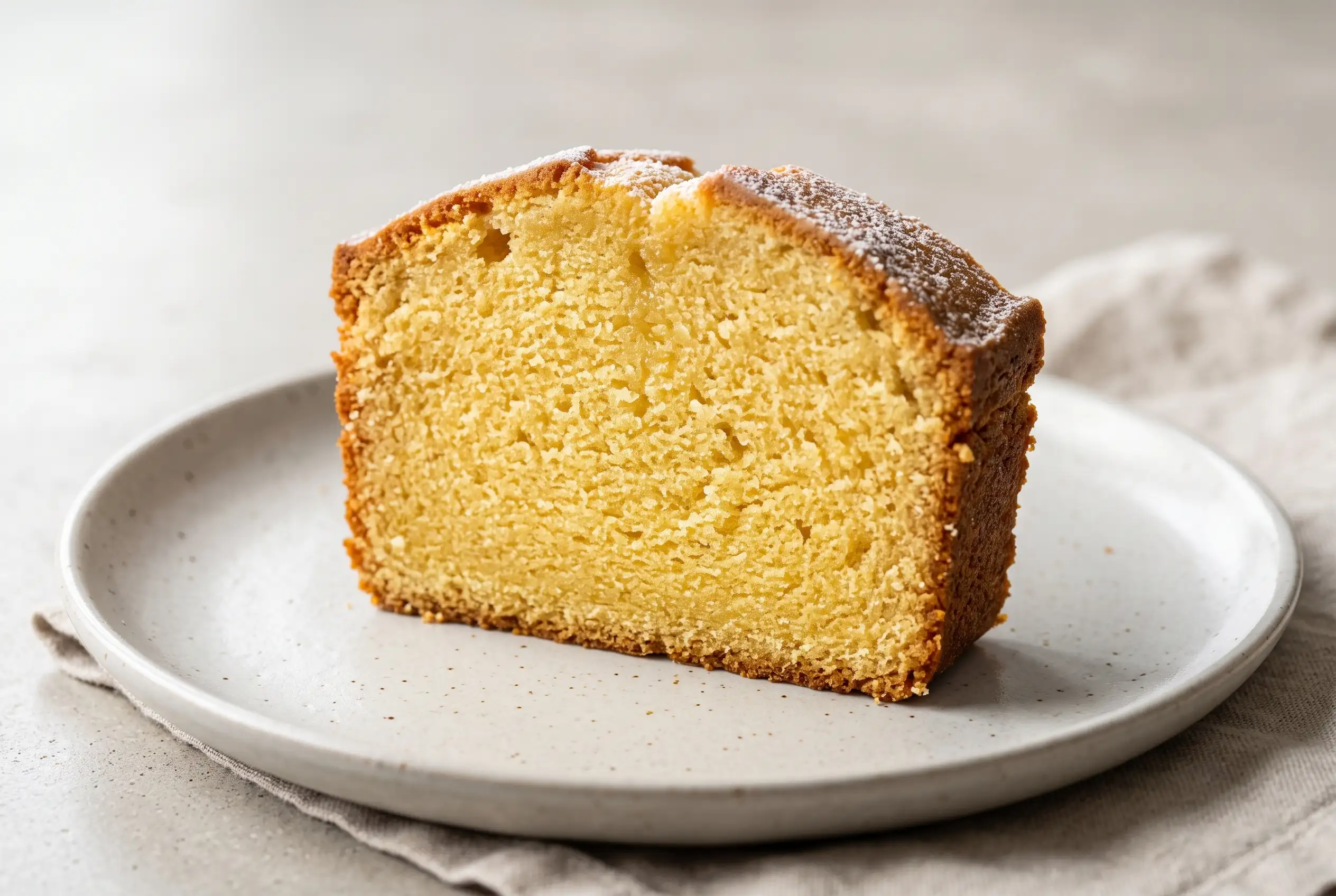
Butter pound cake creates a rich, sliceable dessert built around a buttery flavor and a tender crumb. The dense texture holds its shape beautifully, making it a dependable choice for coffee breaks, brunch tables, or simple desserts that need a traditional presentation.
Many bakers look for a classic butter pound cake recipe because the method relies on familiar pantry staples and careful mixing instead of complicated techniques. The result is a homemade butter pound cake with a sturdy structure that stays enjoyable for several days when stored properly.
Why Butter Pound Cake Fits Classic Dessert Tables
The cake’s balanced sweetness and firm crumb make it easy to serve in thin slices alongside coffee, tea, fresh fruit, or a light topping. Its straightforward flavor also allows simple additions such as glaze or whipped cream without hiding the buttery character.
Butter and Flour Choices Shape the Pound Cake
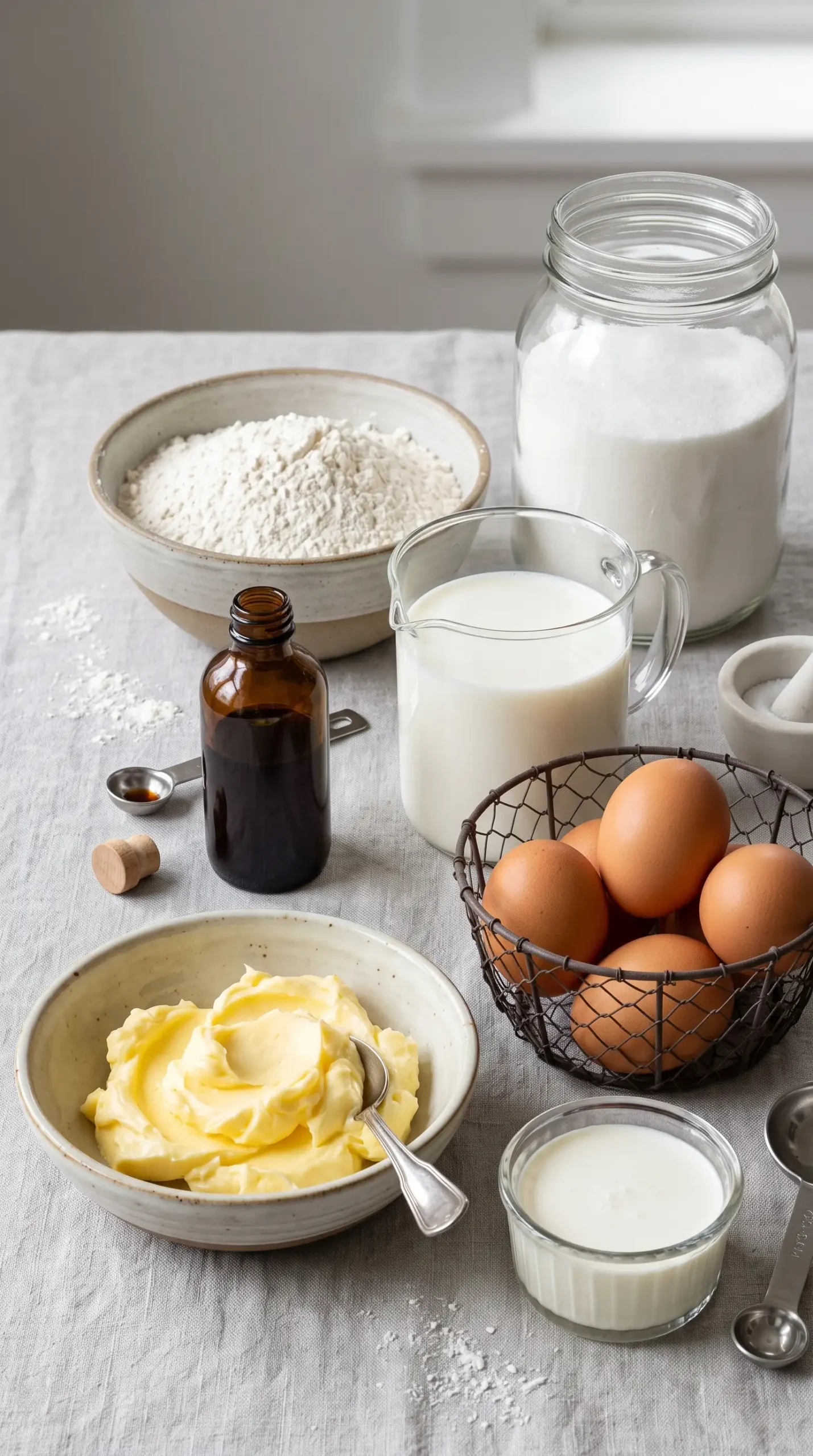
Flour, sugar, eggs, butter, milk, and vanilla create the foundation of this bundt pound cake recipe. Each ingredient choice affects how the finished cake handles slicing, moisture, and flavor.
Butter remains central because it provides the signature taste associated with pound cake. Keeping the butter and eggs at room temperature helps the mixture combine evenly, creating a smoother batter before baking.
| Ingredient focus | Role in the cake | Helpful handling choice |
|---|---|---|
| Butter | Creates rich flavor and tender texture | Use softened butter for better creaming |
| Flour | Builds the dense structure | Measure carefully to avoid excess flour |
| Milk or cream | Adds moisture to the batter | Blend with dry ingredients gradually |
| Eggs | Support structure and richness | Add individually for even mixing |
Measuring flour accurately matters because extra flour can make the crumb heavy and dry. Spoon flour into the measuring cup and level the surface to keep the proportions consistent.
Creaming Controls the Pound Cake Texture
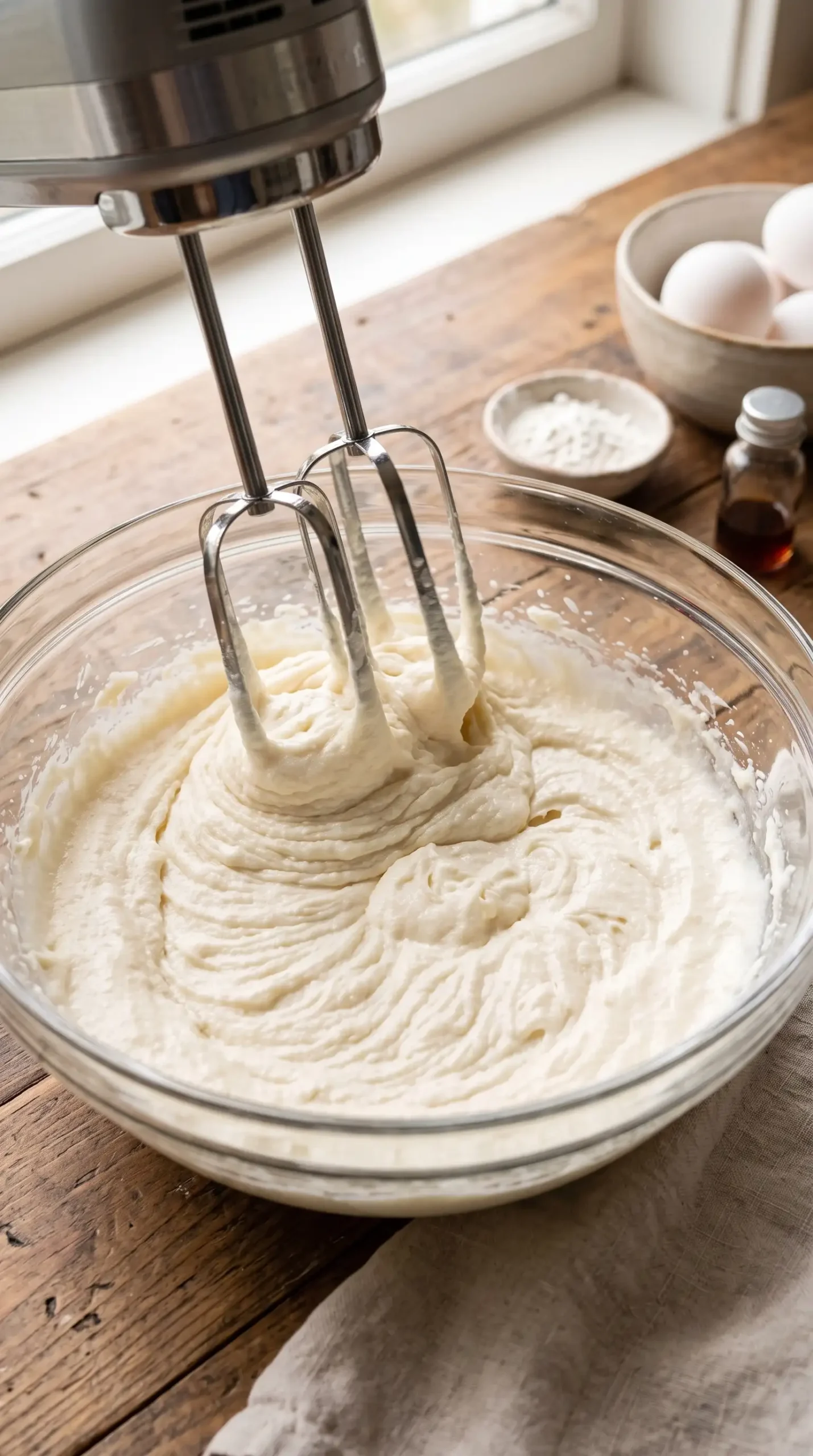
Creaming butter and sugar is one of the most important stages because creaming butter and sugar aerates batter, introducing air into the dense mixture. A properly creamed mixture helps create a finer crumb while maintaining the classic richness expected from pound cake.
Eggs are incorporated one at a time after the butter and sugar become light and fluffy. This gradual addition helps the mixture stay smooth and prepares the batter for the remaining ingredients.
Dry ingredients and liquid are alternated during mixing so the batter comes together evenly. Keeping the mixer speed low once flour is added helps prevent unnecessary gluten development and a tougher texture.
- Room-temperature ingredients: Help butter, eggs, and liquids combine more evenly.
- Gentle mixing: Keeps the crumb tender after flour enters the batter.
- Careful blending: Maintains the structure needed for clean slices.
Bundt Pan Baking Creates Even Slices
A bundt pan gives Butter Pound Cake its recognizable shape while helping heat move through the thick batter. The center opening supports more even baking compared with a solid deep cake shape. Decorative bundt designs can suit special presentations, including Christmas fruit Bundt Cake, where the pan shape helps create clean slices around added ingredients.
The lower oven temperature and longer baking approach allow the interior to cook gradually while developing a thin, flavorful exterior. Checking with a toothpick helps identify when the center has finished baking.
Cooling in the pan before removing the cake protects the structure. Waiting briefly allows the crumb to settle so the cake can release with less risk of breaking.
Flavor Details That Lift Butter Pound Cake
Vanilla extract supports the buttery base with a familiar sweetness, while optional lemon extract can introduce a brighter note. These additions change the aroma without replacing the traditional character of the cake.
A small amount of citrus flavor can make the dessert feel lighter, especially when paired with berries or a thin glaze. The additions work best when they complement the original buttery profile.
| Serving addition | Flavor effect | Best use |
|---|---|---|
| Powdered sugar | Light sweetness and clean appearance | Simple presentation |
| Lemon glaze | Bright citrus finish | Dressier dessert slices |
| Fresh berries | Fresh contrast | Coffee or brunch serving |
Serving Ideas for Thin Pound Cake Slices
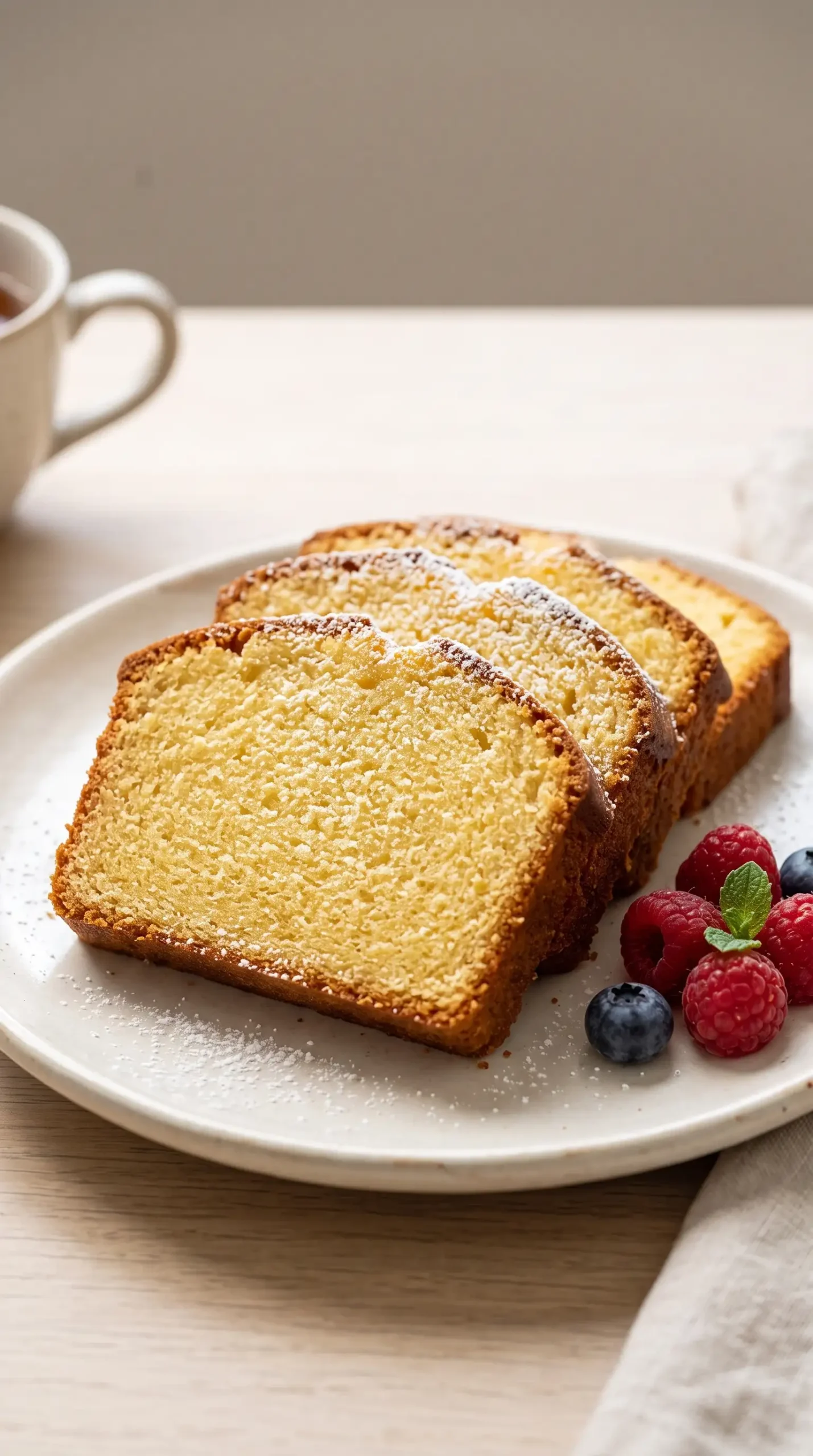
Thin slices highlight the dense crumb and allow each piece to keep its shape. Bringing the cake to room temperature before serving helps restore its soft texture.
Storage Keeps the Pound Cake Tender
Proper wrapping helps preserve the moisture that makes pound cake enjoyable after baking. A cooled cake can be kept in an airtight container at room temperature for up to three days.
Refrigeration extends freshness when the cake is wrapped well. Allowing slices to return to room temperature before eating helps bring back the tender texture.
Freezing individual portions makes longer storage simple. Wrapped slices can be placed in a sealed container and thawed at room temperature when needed.
| Storage method | Protection needed | Serving preparation |
|---|---|---|
| Room temperature | Tight wrapping and airtight container | Serve directly once cool |
| Refrigerator | Well wrapped cake | Bring back to room temperature |
| Freezer | Wrapped individual slices | Thaw before serving |
Mistakes That Affect Butter Pound Cake Results
Several common errors can change the final texture of this cake. Paying attention to measurements, mixing, and baking temperature helps avoid the most frequent problems.
Overmeasuring flour can create a dry or overly heavy crumb. Careful measuring keeps the batter balanced and supports the tender texture associated with pound cake.
Baking at excessive heat may brown the outside before the center has enough time to set. Using the lower temperature range and allowing the cake to bake gradually supports even results.
- Dense batter: Often comes from too much flour or overmixing after flour is added.
- Sunken center: Can happen when the cake is underbaked or the oven door is opened too early.
- Sticking pan: Can be reduced by thoroughly greasing and flouring the bundt pan.
Variations For Homemade Butter Pound Cake
Citrus zest, lemon extract, or a small amount of sour cream can adjust the flavor and texture while keeping the traditional style. These changes allow the cake to suit different occasions.
Chopped nuts or sour cherries can add texture throughout the crumb. A thin vanilla or lemon glaze can also create a finished appearance without covering the buttery foundation.
Pairings That Complement the Bundt Pound Cake Recipe
Coffee and black tea are natural companions for this cake because the dense crumb holds up well beside warm drinks. A light dessert wine can also work when serving the cake after a meal.
Fresh berries and whipped cream add contrast through freshness and softness. These toppings provide variety while allowing the cake’s main flavor to remain noticeable.
Cooling and Slicing Decisions Improve Presentation
The cooling stage influences how neatly the cake slices. Removing the cake too quickly from the pan can affect its shape, while allowing it to rest briefly helps maintain the structure.
Using a sharp knife and cutting thinner pieces emphasizes the classic pound cake appearance. The firm crumb makes it suitable for serving on dessert plates or arranging on a tray.
Butter Pound Cake Delivers Traditional Texture With Simple Care
Butter Pound Cake succeeds when the batter is mixed carefully, baked gradually, and handled gently after leaving the oven. The combination of butter, eggs, and balanced mixing creates a dessert that keeps its shape while offering a tender bite.
The finished cake provides a reliable foundation for everyday servings and more polished presentations. Simple toppings, careful storage, and thoughtful slicing allow the classic texture to remain the focus.
Butter Pound Cake Questions About Texture and Baking
What pan works best for Butter Pound Cake?
A bundt pan is the preferred choice because its shape supports even baking and creates the traditional appearance. Tube pans or loaf pans can also work, though baking time and shape may change.
Why did my pound cake have a tough crumb?
A tough crumb can result from mixing too much after flour is added. Combining the batter only until blended helps keep the texture tender.
Can salted butter be used in Butter Pound Cake?
Salted butter can be used, but the amount of additional salt should be adjusted slightly to maintain the intended flavor balance.
How can I prevent a sunken center?
A sunken center is often linked to underbaking or opening the oven too early. Baking until the toothpick shows a few moist crumbs helps confirm the center is set.
Can Butter Pound Cake be frozen?
Yes, slices can be wrapped tightly and frozen for up to three months. Thawing at room temperature helps restore the cake’s soft texture before serving.
Butter Pound Cake Classic Bundt Cake with Vanilla
Butter pound cake is a classic Bundt cake with a rich buttery flavor, tender fine crumb, and smooth vanilla finish. It is a timeless dessert that works well for gatherings or whenever a homemade cake is wanted.
Ingredients
Method
Preparation
- Preheat the oven to 325°F / 165°C and grease and flour a Bundt pan.
- Combine the flour, baking powder, and salt in a bowl, then set the dry mixture aside.
- Beat the softened butter and sugar with a mixer for about 5 minutes until the mixture becomes light and fluffy.
- Add the eggs individually, mixing after each addition until incorporated.
- Blend the vanilla extract into the batter.
- Add the flour mixture and milk in alternating additions, starting and finishing with the flour mixture, and mix on low speed until just combined.
Baking
- Transfer the batter to the prepared Bundt pan and level the surface.
- Bake for 1 hour 15 minutes to 1 hour 40 minutes, until a toothpick inserted in the center comes out with a few moist crumbs.
- Allow the cake to cool in the pan for 10 to 20 minutes, then turn it out onto a serving plate.
Storage
- Once fully cooled, wrap the cake tightly or place it in an airtight container.
Notes
Bring the butter and eggs to room temperature before mixing to help create a smoother batter and a finer crumb.