
From morning breakfasts to evening dinners, Tasteza Recipes offers quick and easy recipe ideas, featuring everything from wholesome meals to delicious desserts for every moment and every occasion.


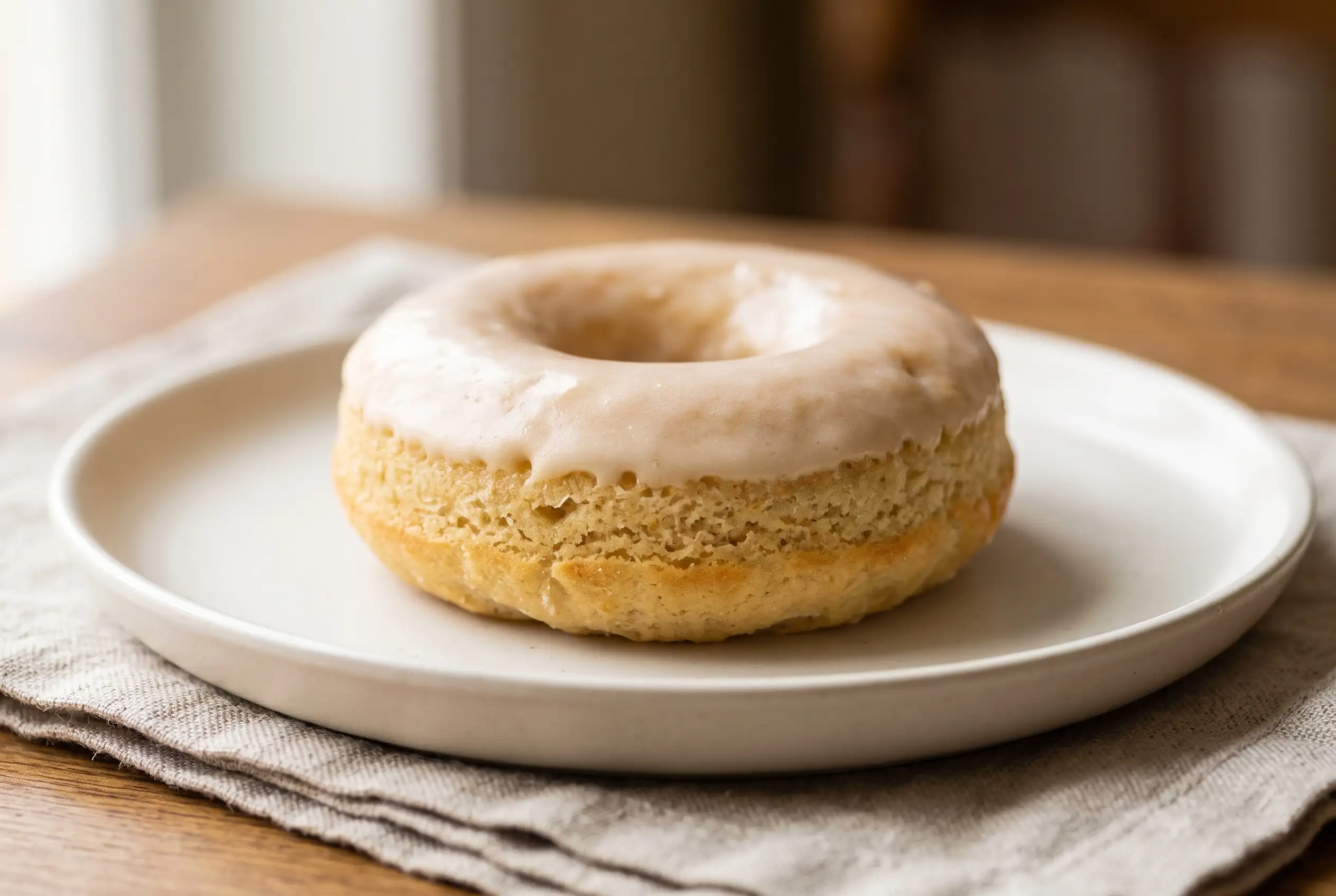
Baked cake donuts are a simple way to enjoy a tender, lightly sweet treat with a soft crumb and a quick oven finish. The easy baked cake donuts recipe approach uses a donut pan, familiar pantry ingredients, and a smooth glaze for a homemade option that works well with coffee, brunch, snacks, or casual desserts.
Baked Cake Donuts Bring Oven Convenience
Unlike traditional fried versions, these oven baked donuts focus on a cake-like texture created by a thick batter that bakes into a lightly firm exterior. The inside stays moist enough to hold a glaze or topping without becoming heavy.
Many home bakers choose cake donuts without frying because the method keeps preparation simple. A greased donut pan replaces frying equipment, which means fewer cooking steps and an easier cleanup process after baking.
Freshly baked results come from balancing the batter texture with gentle mixing. The flour, sugar, leavening, eggs, buttermilk, butter, and vanilla work together to create a donut that feels familiar while using a straightforward oven method.
Why These Donuts Fit Busy Mornings
Morning schedules often call for desserts and breakfast treats that can be prepared without complicated techniques. Baked cake donuts meet that need because the batter comes together quickly in a bowl and moves directly into the pan.
Families can serve these donuts for school snacks, weekend breakfasts, or an easy gathering plate. Their simple glaze also makes decorating flexible, allowing a plain finish or extra toppings depending on the occasion.
Another advantage comes from the no-frying approach. The kitchen stays less messy, and the baked texture pairs naturally with drinks such as coffee, tea, or fruit-forward juice.
Pantry Choices Shape Cake Donuts Texture
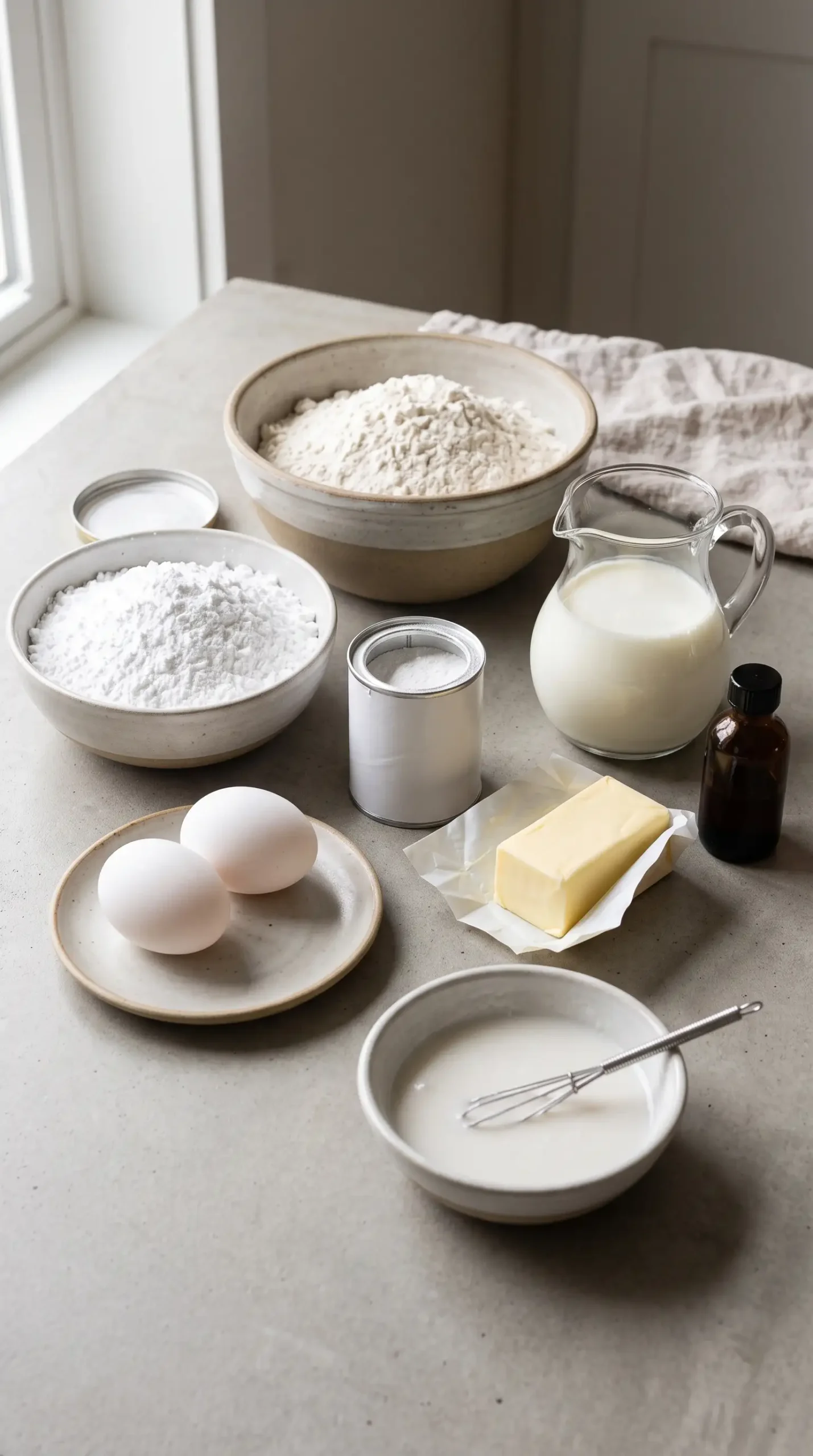
Ingredient selection influences the final crumb, especially in a baked donut where structure comes from the batter itself. All-purpose flour provides the base, while baking powder supports a gentle rise during oven baking.
Buttermilk deserves special attention because it contributes mild tang and works with baking powder to encourage a softer texture. Warm buttermilk can help the batter develop a better rise and a pleasant crumb.
Simple ingredient decisions also affect finishing choices. A smooth powdered sugar glaze depends on reaching the right consistency, while optional flavorings and toppings allow the finished donuts to match different preferences.
| Component | Kitchen role | Texture or flavor impact |
|---|---|---|
| All-purpose flour | Creates batter structure | Supports the cake-like crumb |
| Buttermilk | Adds liquid and tang | Helps create a tender interior |
| Baking powder | Provides lift | Encourages a lighter baked texture |
| Powdered sugar glaze | Finishes cooled donuts | Adds sweetness and a smooth coating |
Buttermilk and Batter Balance Soft Crumbs
Proper mixing determines whether baked cake donuts stay delicate or become dense. Combining wet and dry ingredients only until they come together protects the soft texture that makes cake-style donuts appealing because over-mixing batter can develop excess gluten and create a tougher baked texture.
Small lumps in the batter are acceptable because excessive stirring develops a tougher result. A gentle folding motion keeps the mixture workable without overprocessing the flour.
Measuring flour carefully also matters. Spoon the flour into a measuring cup and level it off to avoid adding too much, since extra flour can create a heavier donut.
Donut Pan Filling Controls Even Results
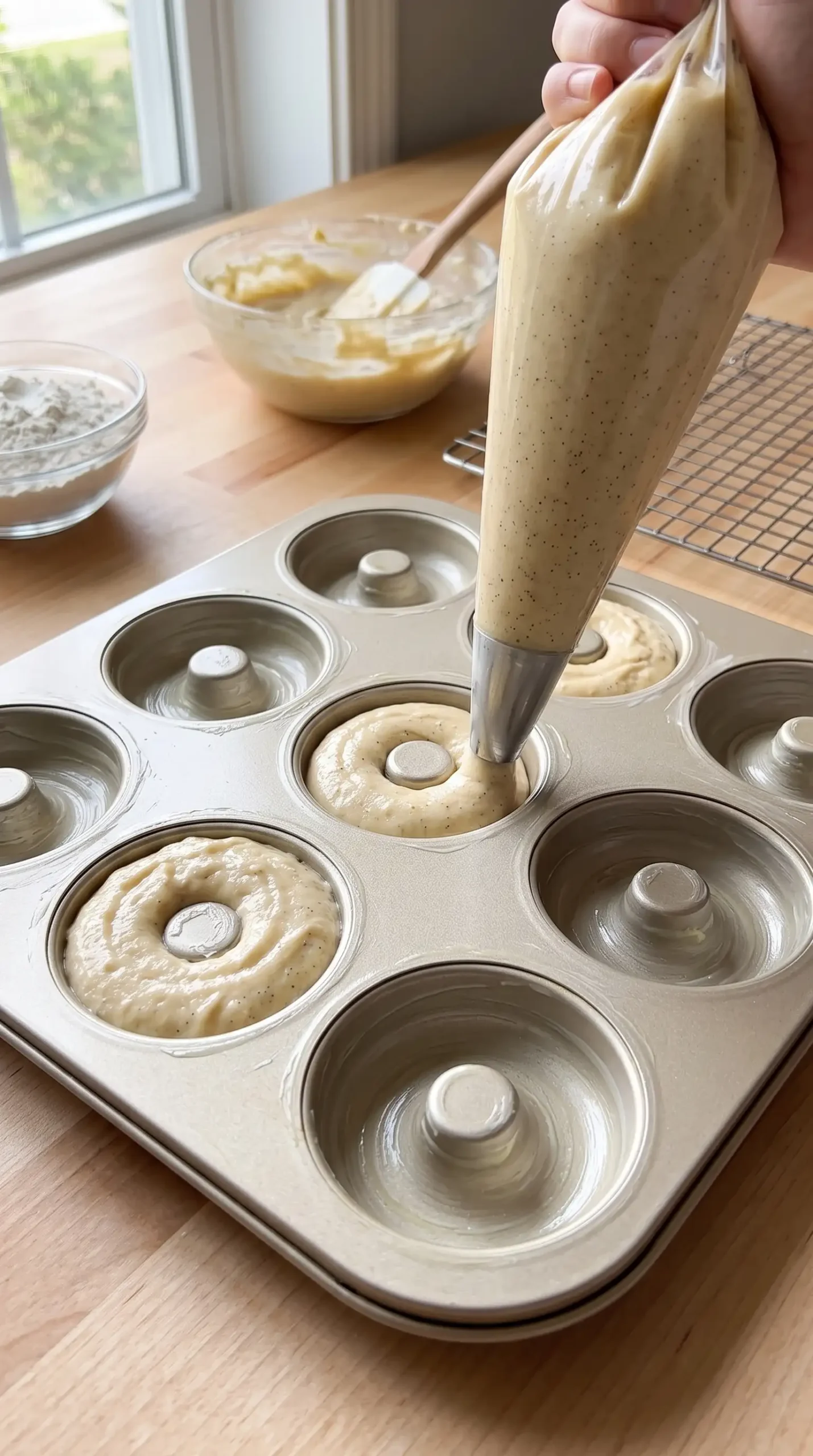
Pan preparation affects both appearance and baking consistency. Lightly greasing the cavities helps the donuts release cleanly after baking and keeps the classic ring shape intact.
Filling each cavity about two-thirds full gives the batter enough room to rise without overflowing. A piping bag or resealable bag can make filling cleaner and more controlled.
During baking, the exterior should become lightly golden while the center finishes cooking. A toothpick inserted into a donut provides a simple way to check that the interior is ready before cooling.
Glazing Decisions Create Clean Finishes
Cooling time plays an important role before decorating. Warm donuts can cause a powdered sugar glaze to become thin and runny, making the coating less even.
A simple glaze uses powdered sugar mixed with milk or cream until it reaches the desired texture. More liquid creates a thinner drizzle, while less liquid creates a thicker coating.
Decorating can stay minimal or become more creative. Additional flavorings and toppings can be added after glazing, giving the donuts a finished appearance without changing the baked base.
- Thin glaze: Add more milk or cream for a drizzle that flows easily over cooled donuts.
- Thick coating: Reduce liquid for a glaze that creates a more noticeable layer.
- Bright flavor: Add a small squeeze of lemon juice to balance the powdered sugar sweetness.
Serving Baked Cake Donuts Beyond Breakfast
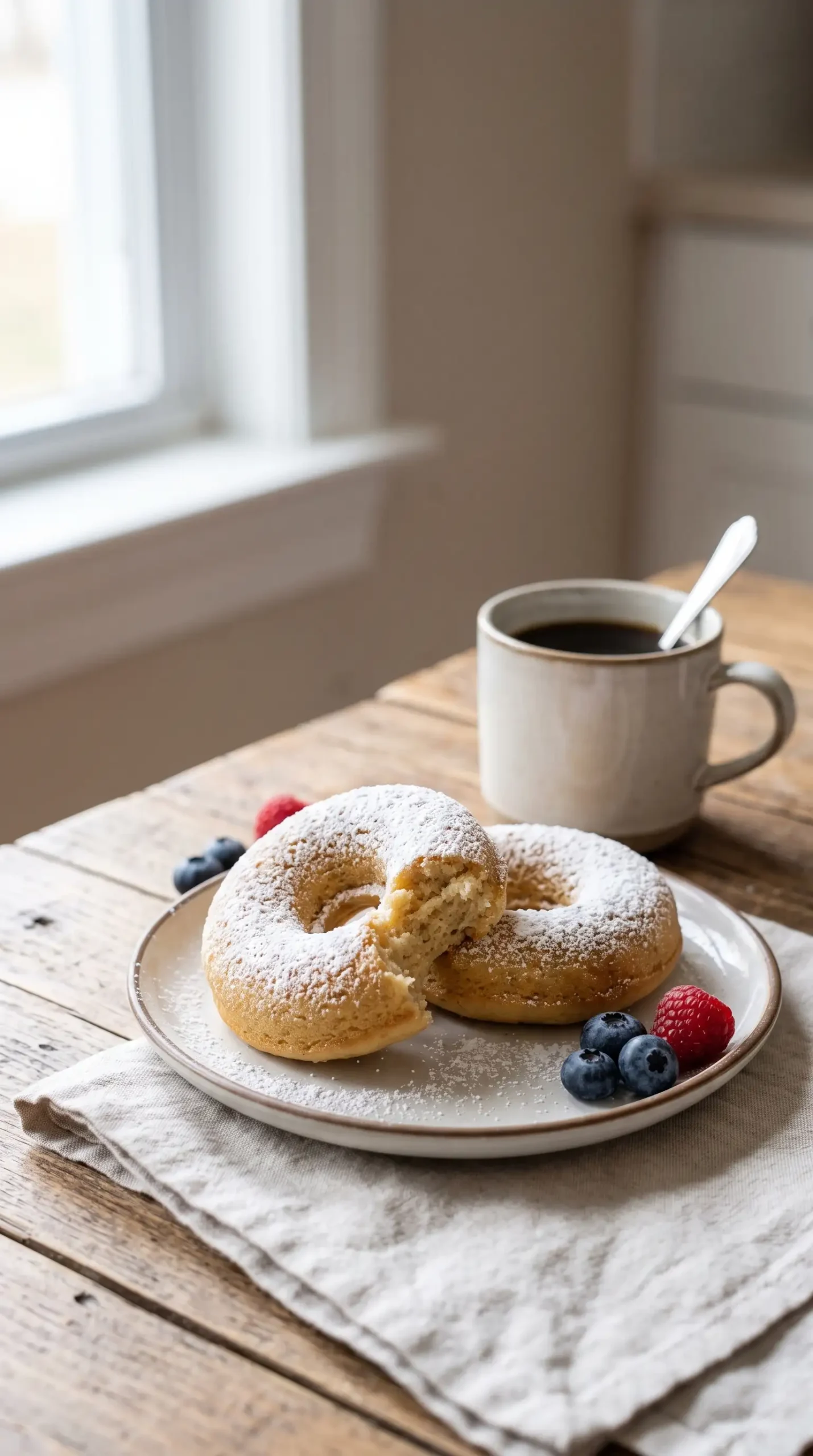
Serving temperature changes the experience of these donuts. Slightly warm pieces offer a soft texture, while room-temperature donuts work well for sharing and storing.
Classic pairings include coffee, tea, and fresh juice. A brunch plate can include berries or a small serving of jam for a simple combination of flavors and textures.
Storage Choices Protect Fresh Donuts
Proper storage helps maintain the texture after baking. Glazed donuts should be kept in an airtight container at room temperature and arranged carefully so the glaze does not stick together.
Unfinished donuts offer more flexibility because they can be wrapped individually and frozen. Freezing before glazing keeps the surface ready for decoration after thawing.
Refrigeration can extend storage when needed, but it may affect softness. For short periods, room-temperature storage is preferred to help preserve the original crumb.
Helpful Tips For Easy Baked Cake Donuts
Small adjustments make the process more reliable. These practical reminders focus on texture, handling, and presentation without adding unnecessary complexity.
Successful preparation depends on a few habits:
- Warm liquids: Use warm buttermilk to support a pleasant rise.
- Clean filling: Pipe batter into the pan to reduce spills and uneven portions.
- Patient cooling: Wait until donuts are fully cool before applying glaze.
Common Baked Cake Donuts Mistakes To Avoid
Overflowing donut cavities is one of the easiest mistakes to prevent. Adding too much batter can create uneven shapes, so keeping the pan filled around two-thirds full helps maintain the intended form.
Overmixing creates another texture problem. Batter that is worked too much can produce a tougher crumb, while stopping once ingredients combine keeps the donuts tender.
Glazing too early can also change the finish. Allowing the baked donuts to cool completely prevents the glaze from soaking in or becoming overly runny.
Flavor Variations Expand Donut Options
Flavor changes can refresh the basic donut base while keeping the same baking style. Replacing part of the vanilla with almond extract creates a different aroma, and mashed banana can add a fruit-inspired variation. Seasonal spices can create a warmer variation when adapting the base recipe, and baked gingerbread mini donuts bring maple brown sugar glaze notes to a ring-shaped treat format.
Spices provide another way to customize the flavor. Cinnamon or pumpkin pie spice can create a warmer profile, while cocoa powder can transform the batter into chocolate cake donuts when the flour balance is adjusted.
Additional toppings also allow variety without changing the core method. A single baked batch can become several different treats with different glazes or finishes.
Oven Baked Donuts Match Simple Occasions
Oven baked donuts fit moments when a homemade treat needs to be prepared with minimal equipment. The donut pan, quick batter, and easy glaze make them practical for casual serving.
These baked cake donuts also travel well when stored properly. Their compact shape makes them suitable for sharing at gatherings or packing as a snack.
Baked Cake Donuts Keep Their Tender Balance
Baked cake donuts succeed when the batter remains gently mixed, the pan is filled carefully, and the glaze is added after cooling. Those choices preserve the soft crumb and clean finish that define the finished treat.
The combination of a cake-like interior, simple glaze, and oven method creates a dependable homemade donut experience. Careful handling from mixing through decorating keeps each batch consistent.
Cake Donuts Glaze Troubles Questions and Answers
Can I use regular milk instead of buttermilk?
Yes. Regular milk can replace buttermilk by adding 1 tablespoon of lemon juice or vinegar to 3/4 cup milk and allowing it to sit for 5 minutes before use.
How can I prevent soggy glazed cake donuts?
Cooling the donuts completely before glazing is the key step. Placing them on a wire rack also allows extra glaze to drip away instead of collecting underneath.
Do I need a donut pan for baked cake donuts?
A donut pan provides the traditional ring shape and helps the batter bake evenly. Silicone molds or a muffin tin can work for different shapes, but the appearance will change.
Can I prepare the batter ahead of baking?
Dry ingredients can be combined ahead of time, but wet and dry ingredients should be mixed close to baking time to help maintain the desired rise.
How thick should the powdered sugar glaze be?
The glaze should be smooth and pourable while still coating the donut surface. Add milk gradually until it reaches a consistency that covers the donut without becoming watery.
Baked Cake Donuts with Simple Glaze
Baked cake donuts with a simple glaze are soft, tender treats with a light sweetness and classic bakery-style appeal. They are an easy choice for a quick homemade breakfast or dessert.
Ingredients
Method
Preparation
- Heat the oven to 350°F (175°C) and lightly grease a donut pan.
- Combine the flour, sugar, baking powder, salt, and nutmeg in a large bowl and whisk until evenly mixed.
- In a separate bowl, blend the eggs, buttermilk, melted butter, and vanilla extract until combined.
- Add the wet mixture to the dry ingredients and fold together gently just until the batter comes together.
- Divide the batter into the prepared donut pan cavities, filling each about two-thirds full.
Baking
- Bake the donuts for 8-10 minutes until golden and a toothpick inserted in the center comes out clean.
- Allow the baked donuts to cool completely before applying the glaze.
Glazing
- Stir powdered sugar with milk or cream until the glaze reaches the desired consistency.
- Dip or drizzle the glaze over the cooled donuts.
- Finish with optional toppings or additional flavorings after glazing if desired.
Notes
Cool the donuts completely before glazing so the topping can set properly.