
From morning breakfasts to evening dinners, Tasteza Recipes offers quick and easy recipe ideas, featuring everything from wholesome meals to delicious desserts for every moment and every occasion.


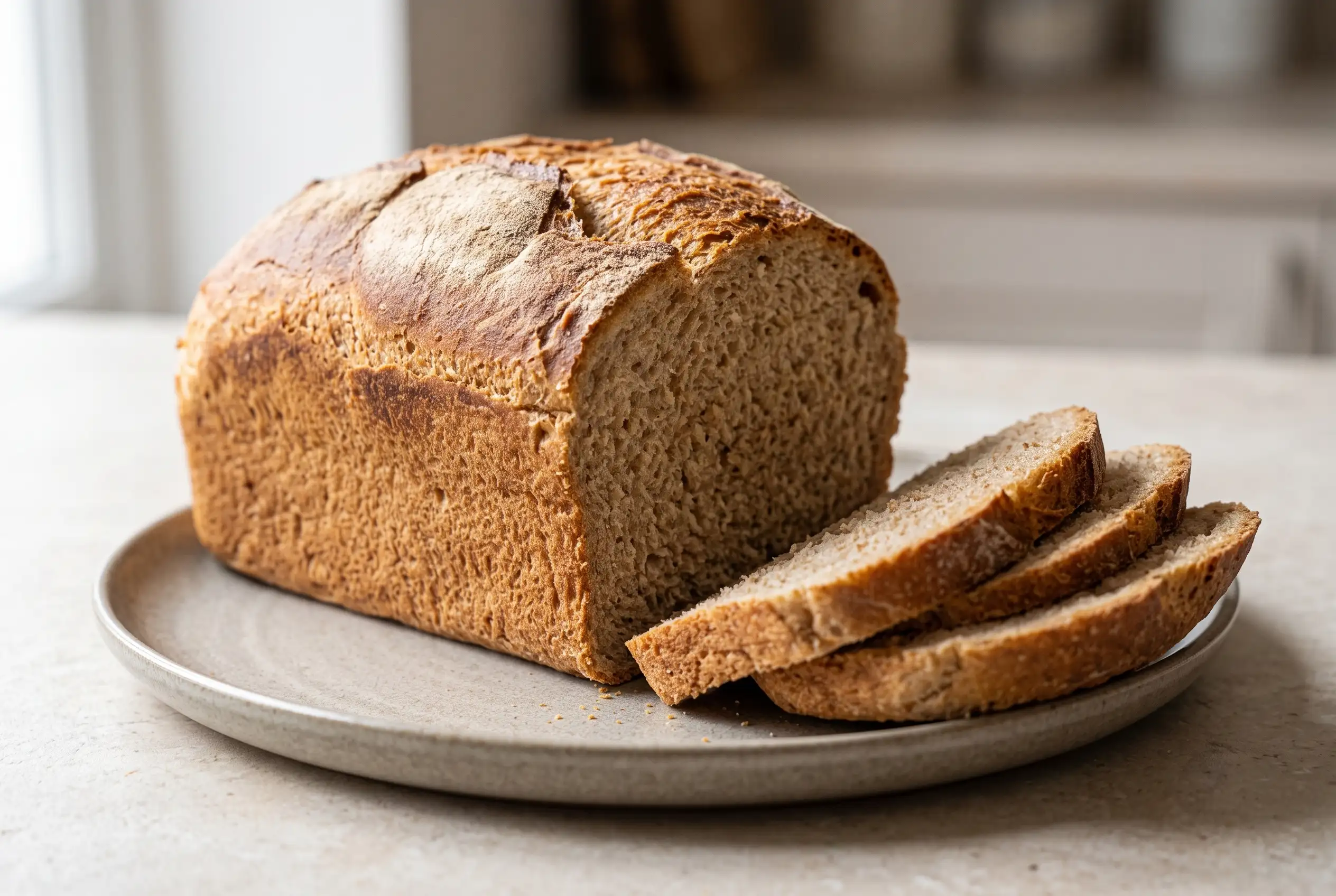
Whole wheat bread begins with a hearty grain flavor and a texture designed for everyday slicing. This whole wheat bread uses freshly milled whole wheat flour, honey, olive oil, and a simple yeast dough to create a loaf with a nutty taste and a crumb that works well for sandwiches and toast.
Many home bakers look for an easy homemade whole wheat bread option that does not require complicated techniques. The process uses straightforward kneading, two rises, and basic pantry ingredients, making it suitable for weekend baking or preparing bread for later meals.
Why Make Whole Wheat Bread at Home
Homemade whole wheat bread gives you control over flour quality, sweetness, texture, and storage. The loaf is built around freshly milled flour, which brings a richer aroma and a more pronounced wheat flavor compared with packaged mixes.
The dough also fits practical baking routines. A short kneading period followed by fermentation allows the structure to develop while leaving time for other kitchen tasks.
Fresh slices can support breakfast toast, sandwiches, or simple snacks. The loaf shape makes it easy to portion, store, and use throughout the week.
Freshly Milled Whole Wheat Flour Shapes the Loaf
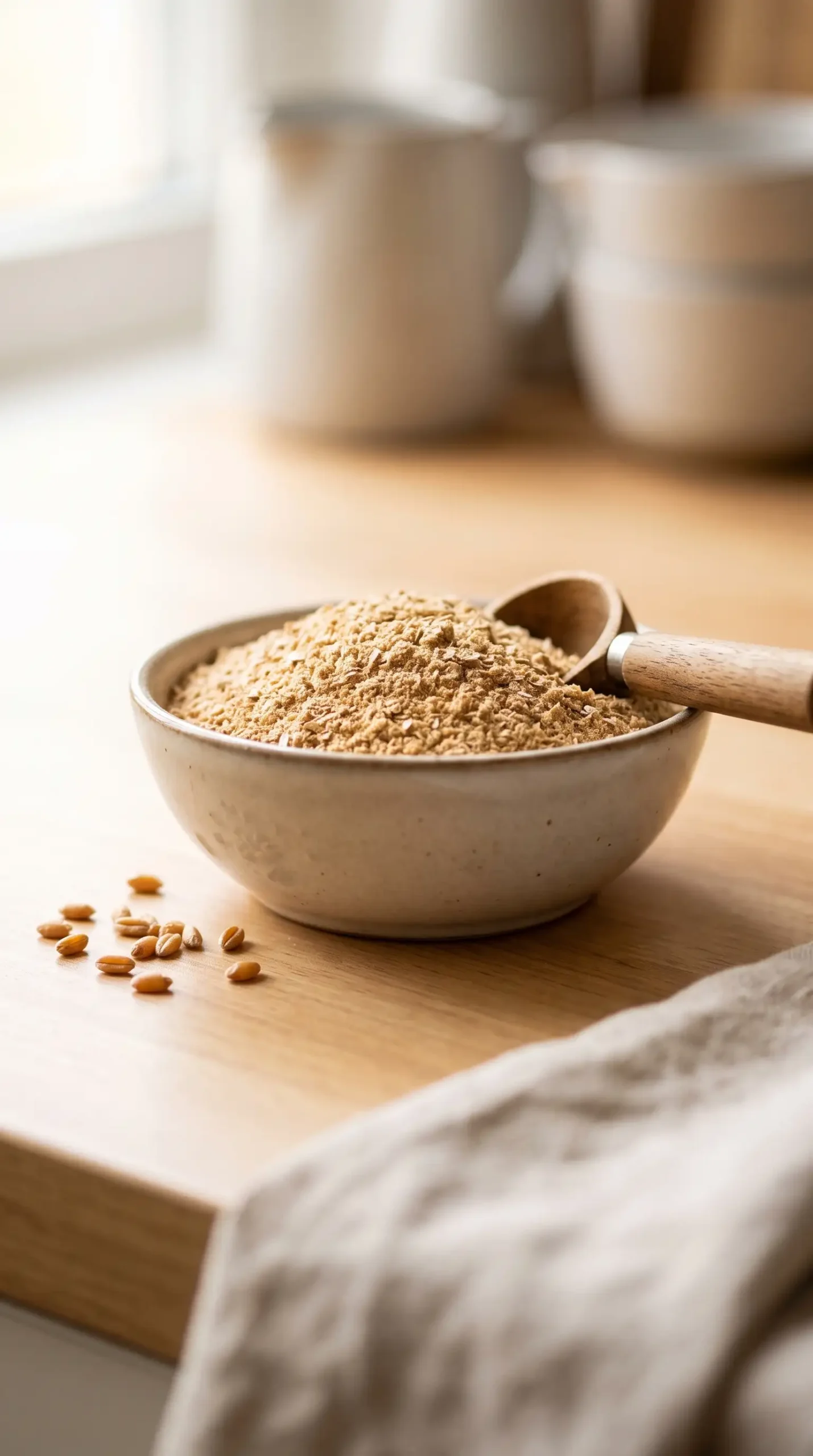
Freshly milled whole wheat flour is the ingredient choice that most changes the character of this loaf. It contributes a nutty flavor and gives the bread a hearty crumb that feels substantial without losing its ability to slice cleanly.
Whole wheat flour contains more bran than refined flour, which affects how the dough feels during mixing and kneading. The dough may seem slightly heavier or tackier, so handling it with patience helps maintain the right texture.
The flour also influences how much moisture the dough holds. Measuring carefully and avoiding unnecessary extra flour keeps the finished loaf from becoming overly dense.
| Flour choice | Flavor result | Dough consideration |
|---|---|---|
| Freshly milled whole wheat flour | Nutty and aromatic | May feel slightly tackier during kneading |
| Pre-packaged whole wheat flour | Milder wheat flavor | Texture can vary depending on milling and storage |
| White flour-based dough | Lighter flavor profile | Does not provide the same whole wheat character |
Yeast Hydration Starts the Dough Correctly
Warm water and instant yeast begin the fermentation process that gives the loaf its lift. Letting the yeast sit in warm water until bubbly confirms that the yeast is active before the remaining ingredients are added.
The water temperature matters because yeast needs warmth to activate without being damaged. Keeping the water around 105–115°F supports the early dough stage and helps create a steady rise.
Whole Wheat Bread Dough Texture Decisions
The dough should come together gradually after the honey, olive oil, salt, and flour are combined. A shaggy mixture at the beginning is expected as the flour absorbs the liquid.
Adding too much flour can make whole wheat dough firm and difficult to expand. Small adjustments are better than heavily flouring the surface because the bran naturally changes the dough texture.
Honey and olive oil contribute to a softer eating quality while keeping the loaf suitable for slicing. These ingredients work with the flour to create a balanced crumb.
Kneading Builds a Stronger Crumb
Kneading develops gluten, which helps the bread hold its shape during rising and baking. The dough should become smoother and more elastic as it is worked.
- Elastic texture: The dough should become easier to stretch after proper kneading.
- Light handling: Add only small amounts of flour if sticking becomes difficult to manage.
- Complete development: The finished loaf depends on enough kneading time to support the rise.
A stand mixer can also be used with a dough hook on medium-low speed. The dough should still be watched closely because kneading time may change with equipment and dough conditions.
Rise Stages Create Flavor and Structure
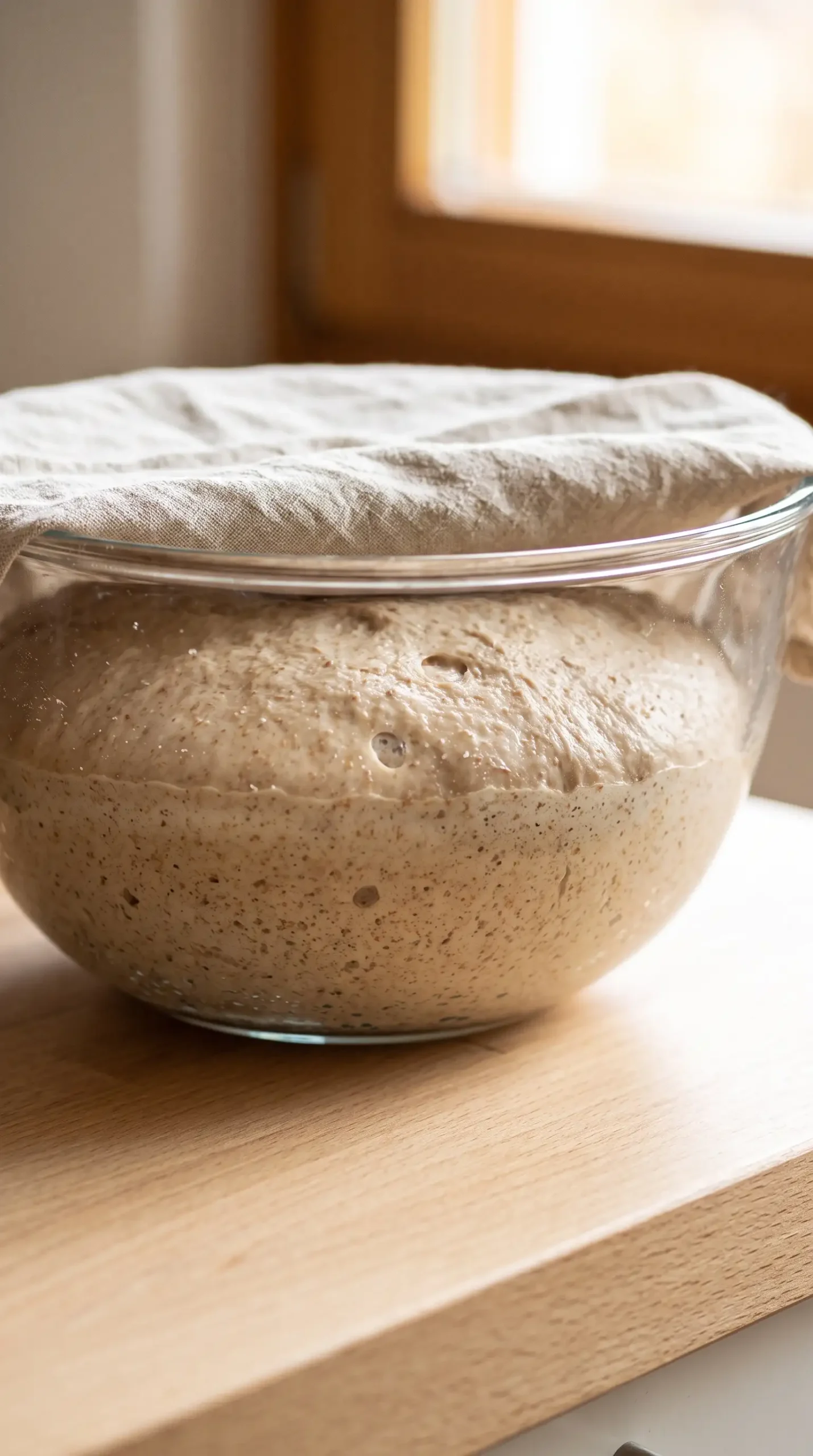
The two-rise process gives whole wheat bread its structure and flavor. The first rise allows fermentation to develop the dough, while the second rise shapes the final crumb after the loaf is formed.
The dough should double during each rise. Waiting for visible expansion is important because rushing fermentation can leave the bread dense and less developed.
A warm, draft-free location supports steady rising. If the dough has not doubled, additional time allows fermentation to continue.
| Stage | Purpose | What to watch for |
|---|---|---|
| First rise | Builds flavor and gas | Dough doubles in size |
| Shaping stage | Creates loaf form | Dough is placed evenly in the pan |
| Second rise | Controls final proof | Loaf expands before baking |
Baking Checks Finish the Whole Wheat Bread Loaf
The oven stage turns the risen dough into a finished loaf with a sturdy crust and developed interior. Baking at 350°F (175°C) allows the bread to cook evenly.
The loaf is ready when the bottom sounds hollow when tapped. A thermometer can also confirm doneness, with an internal temperature around 200°F indicating that this style of whole wheat bread is fully baked.
Cooling completely before slicing helps the crumb set. Cutting too early can create a gummy texture instead of clean slices.
Serving Whole Wheat Bread in Everyday Meals
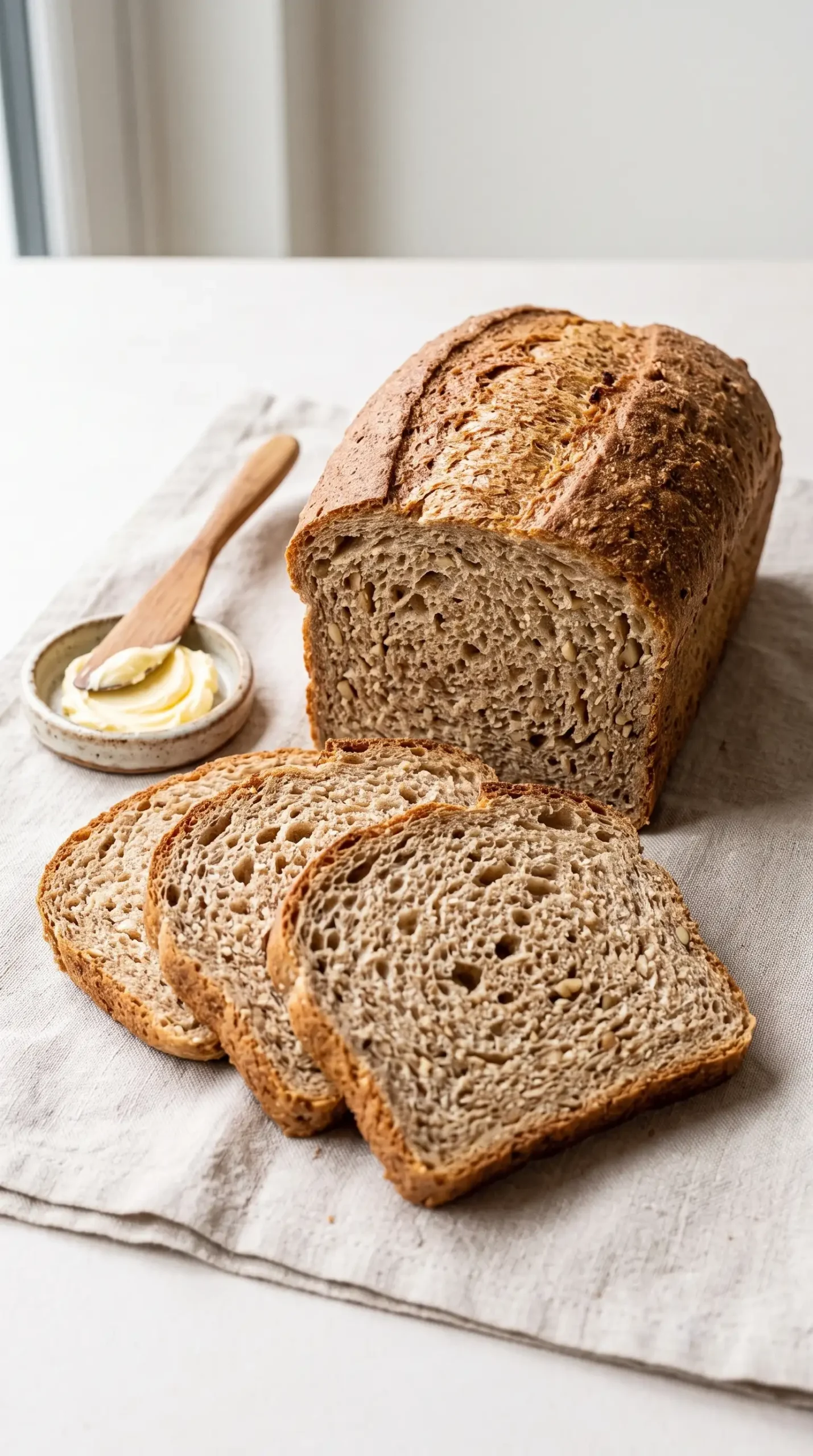
Warm slices pair simply with butter or olive oil for breakfast or snacks. Toasted pieces also work well with melted cheese, avocado, or nut butter.
Thicker slices provide enough support for sandwich fillings such as roasted vegetables, sliced turkey, or hummus. The sturdy crumb helps the bread hold its shape when layered with toppings.
Storage Methods Keep Slices Useful
Room-temperature storage works best for short-term use. A bread box or paper bag helps prevent excess condensation that can soften the crust.
Freezing extends the life of the loaf without requiring refrigeration. Slicing before freezing makes it easier to remove individual portions when needed.
| Storage method | Best use period | Handling approach |
|---|---|---|
| Bread box or paper bag | 2–3 days | Keep at room temperature |
| Airtight freezer bag | Up to 3 months | Freeze slices tightly wrapped |
| Refrigerator storage | Not recommended | Can speed staling and dry the bread |
Whole Wheat Bread Tips for Better Results
Small preparation choices can improve consistency when making an easy homemade whole wheat bread loaf.
- Flour measurement: Measure by weight when possible because whole wheat flour can compact differently.
- Pan preparation: Grease the loaf pan well to reduce sticking.
- Cooling time: Wait until the loaf cools before slicing for a cleaner texture.
- Crumb adjustment: Add a tablespoon of vital wheat gluten when a taller, lighter crumb is desired.
Whole Wheat Bread Mistakes That Lead to Dense Loaves
Adding excessive flour during kneading is one common problem with whole wheat bread. A dough that becomes too dry may struggle to expand properly during the rises.
Skipping or shortening the rise periods can also affect the final loaf. Dough that has not doubled in size may produce a heavier texture because fermentation has not fully developed.
Cutting the loaf while it is still warm can create another texture issue. Allowing the bread to cool gives the interior time to finish setting.
Variations for Seeds Oats and Softer Crumbs
The base dough can be adjusted with additions that fit different serving preferences. Sunflower seeds, chopped nuts, or rolled oats can be mixed into the dough for extra texture.
Replacing part of the water with milk can create a softer crumb. A portion of the water can also be replaced with a mild sourdough starter for a slightly tangy flavor while adjusting rise times as needed.
Choosing Between Fresh Loaves and Frozen Slices
A whole wheat bread loaf can serve different schedules depending on how it is stored and used. Fresh slices work well for immediate meals, while frozen portions help maintain access to homemade bread later.
- Fresh serving: Best when the loaf will be used within a few days.
- Frozen planning: Useful when preparing bread ahead for future sandwiches or toast.
- Portion control: Sliced storage allows individual pieces to thaw or toast as needed.
Sandwich Planning With a Homemade Loaf
The structure of whole wheat bread makes it especially useful for packed meals. The crumb is firm enough for fillings while still offering a hearty texture.
Toasted whole wheat slices can add structure to warm sandwiches by creating a sturdy base for melted fillings and roasted ingredients. A three cheese roasted vegetable grilled cheese uses bread slices in a heated sandwich format that highlights the loaf’s ability to hold substantial toppings.
Sandwiches made with thicker slices can include ingredients like roasted vegetables, sliced turkey, or hummus without causing the bread to collapse easily.
Whole Wheat Bread Keeps Its Structure Through Care
Whole wheat bread succeeds when flour handling, fermentation, and cooling are treated as connected parts of the process. The freshly milled flour provides the foundation, while careful rises and proper baking determine the final slice.
The loaf’s sturdy crumb makes it practical for toast, sandwiches, and everyday meals. Paying attention to dough texture and storage keeps the bread useful beyond the day it is baked.
Whole Wheat Bread Crumb Questions and Answers
How does freshly milled flour change the crumb?
Freshly milled whole wheat flour creates a richer wheat aroma and a nuttier flavor. The crumb remains hearty and slightly denser than a white flour loaf while providing a satisfying slice.
Why is my whole wheat bread loaf dense?
A dense loaf can result from adding too much flour or not allowing enough time for the dough to rise fully. Watching for the dough to double during rises helps support better structure.
Can whole wheat bread be frozen after baking?
Yes, sliced portions can be frozen in an airtight bag for up to 3 months. Individual slices can thaw at room temperature or be toasted directly from frozen.
How can the crust be made softer?
Brushing the warm loaf with melted butter after baking softens the crust. The bread can then cool before slicing for a more tender exterior.
Can a stand mixer knead the dough?
A stand mixer with a dough hook can knead the dough on medium-low speed. The dough should still be monitored because mixing time can vary.
Whole Wheat Bread Easy Homemade Loaf with Wheat Flour
Whole wheat bread is a hearty homemade loaf with a soft, tender crumb and rich wheat flavor. This easy bread recipe is perfect for making fresh slices for everyday meals, toast, or sandwiches.
Ingredients
Method
Preparation
- Combine warm water and instant yeast in a large mixing bowl, then rest the mixture for about 5 minutes until it becomes bubbly.
- Mix honey, olive oil, and salt into the yeast mixture until evenly combined.
- Add whole wheat flour gradually and stir until a rough dough forms.
- Knead the dough on a lightly floured surface for 8-10 minutes until it becomes smooth and elastic.
Rising
- Transfer the dough to a greased bowl, cover with a clean kitchen towel, and allow it to rise in a warm, draft-free area for 1-2 hours until doubled in size.
- Gently deflate the risen dough, shape it into a loaf, and place it in a greased bread loaf pan.
- Let the shaped loaf rise for 30-45 minutes until doubled in size.
Baking
- Preheat the oven to 350°F / 175°C.
- Bake the loaf for 30-35 minutes until it sounds hollow when tapped on the bottom.
- Remove the bread from the pan and cool completely on a cooling rack before slicing.
Notes
Store the loaf in a bread box or paper bag for 2-3 days, or slice it and freeze it for longer storage.