
From morning breakfasts to evening dinners, Tasteza Recipes offers quick and easy recipe ideas, featuring everything from wholesome meals to delicious desserts for every moment and every occasion.


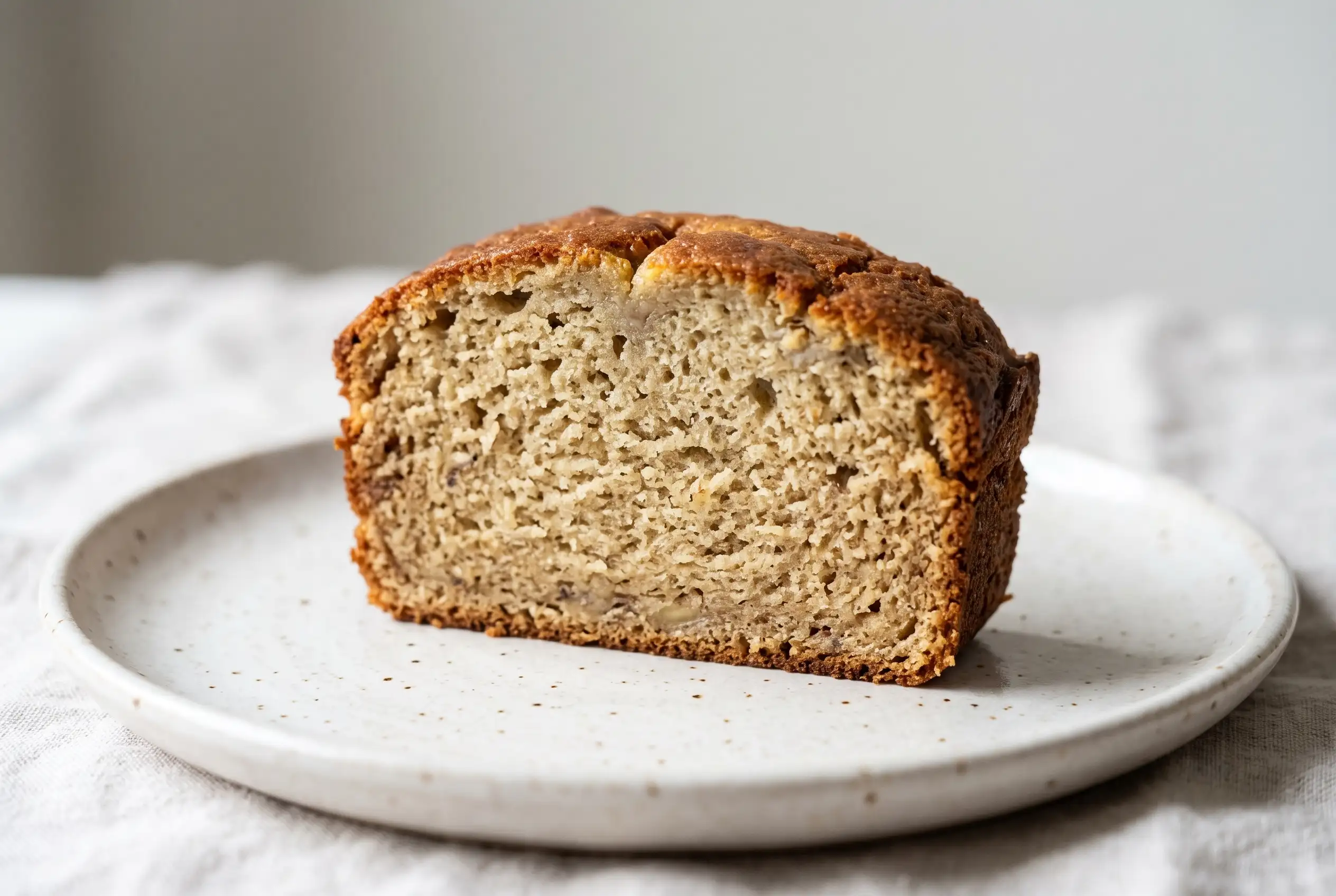
Moist Banana Bread is a dependable way to turn ripe bananas into a tender loaf with a soft crumb, gentle sweetness, and familiar homemade flavor. The loaf works well for breakfast, afternoon snacks, and casual gatherings because it uses pantry staples while delivering a texture that stays satisfying from the first slice to the last.
An easy banana bread recipe often succeeds because the ingredients are simple and the technique is forgiving. Mashed bananas, melted butter, sugar, and a lightly mixed batter create the foundation for a banana bread loaf recipe that home bakers can repeat whenever extra-ripe fruit needs a purpose.
Why Moist Banana Bread Stays Tender
The defining feature of a good loaf is its soft interior. Mashed ripe bananas contribute moisture and natural sweetness, while melted butter adds richness that helps create a tender bite. These elements work together without requiring complicated preparation or specialty ingredients.
Texture depends on balance during mixing. Flour develops structure as stirring encourages gluten development, but too much mixing can make the finished loaf firm instead of soft. Keeping the batter gently combined helps preserve the delicate crumb that makes homemade banana bread appealing.
The short ingredient list also makes the loaf practical. A few basic pantry items can become a warm baked good that fits many occasions, from weekday breakfasts to sharing with friends.
Ripe Bananas Build the Loaf’s Signature Flavor
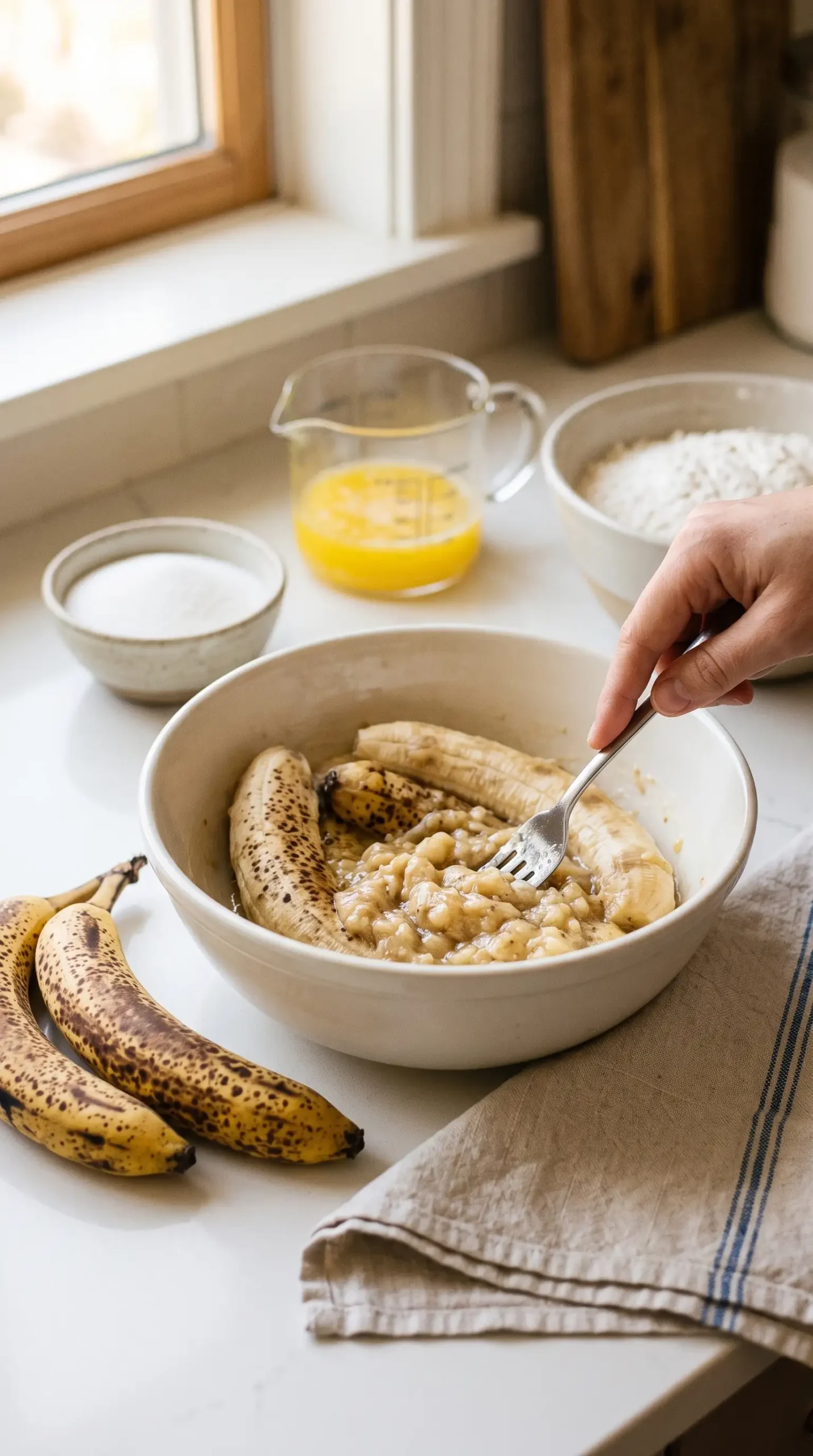
Bananas are the foundation of the loaf, and their ripeness has a noticeable effect on the finished result. Fruit with heavy freckles or mostly brown peel provides stronger banana flavor and more natural sweetness than firm, pale bananas.
Mashing the bananas until mostly smooth creates a more even batter. Large pieces can remain pleasant in some baked goods, but a smoother mash helps distribute moisture throughout each slice of banana bread.
| Banana Condition | Expected Result | Best Use |
|---|---|---|
| Mostly brown or heavily spotted | Sweet flavor and moist texture | Ideal for banana bread batter |
| Yellow with few spots | Milder sweetness | Usable but less flavorful |
| Firm and under-ripe | Less moisture and banana taste | Better saved for later ripening |
Choosing ripe fruit also reduces the need to adjust sweetness. The natural character of the bananas becomes a major part of the loaf instead of simply acting as a background ingredient.
Butter Sugar and Flour Choices Shape the Crumb
The ingredient choices behind moist banana bread are simple, but each one affects the final texture. Melted butter combines easily with mashed bananas, while sugar contributes sweetness and helps maintain a tender crumb.
The flour amount provides the structure needed for a sliceable loaf. Adding it carefully and stirring only until it disappears keeps the mixture from becoming overly worked.
- Warm butter: Mix melted butter with the other wet ingredients while it is warm but not hot.
- Measured flour: Add flour gently so the batter keeps a soft consistency.
- Light additions: Use optional flavors or mix-ins without overwhelming the banana taste.
Small adjustments can personalize the loaf while keeping its character intact. Brown sugar can bring a mild molasses note, and a small whole wheat flour swap can add depth without changing the basic baking approach.
Oven and Pan Controls for a Reliable Banana Bread Loaf
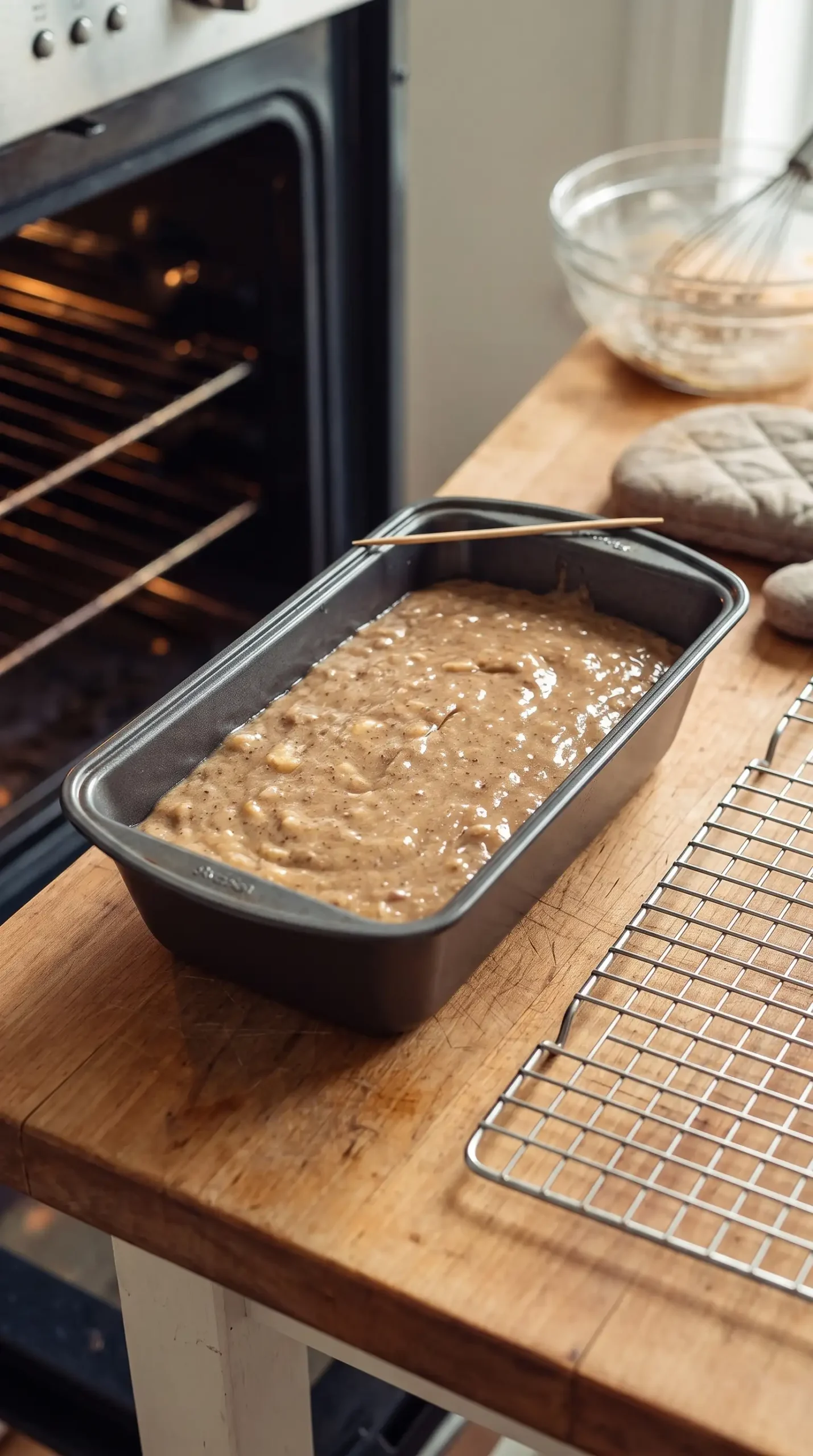
Baking success comes from controlling a few important details instead of rushing the process. Preparing a 9×5-inch loaf pan and maintaining the correct oven temperature helps the batter bake evenly from edge to center.
The center of a quick bread loaf needs enough time to set. Checking with a toothpick near the middle provides a simple way to judge doneness and avoid removing the loaf too early.
Cooling also affects the final texture. Letting the loaf rest in the pan before moving it to a wire rack gives the structure time to settle, making cleaner slices possible.
- Prepare the pan so the baked loaf releases easily.
- Keep mixing gentle after the flour is added.
- Check the center before removing the loaf from the oven.
These controls are especially useful for new bakers because they focus attention on the moments where texture can change most.
Simple Ways to Serve Homemade Banana Bread
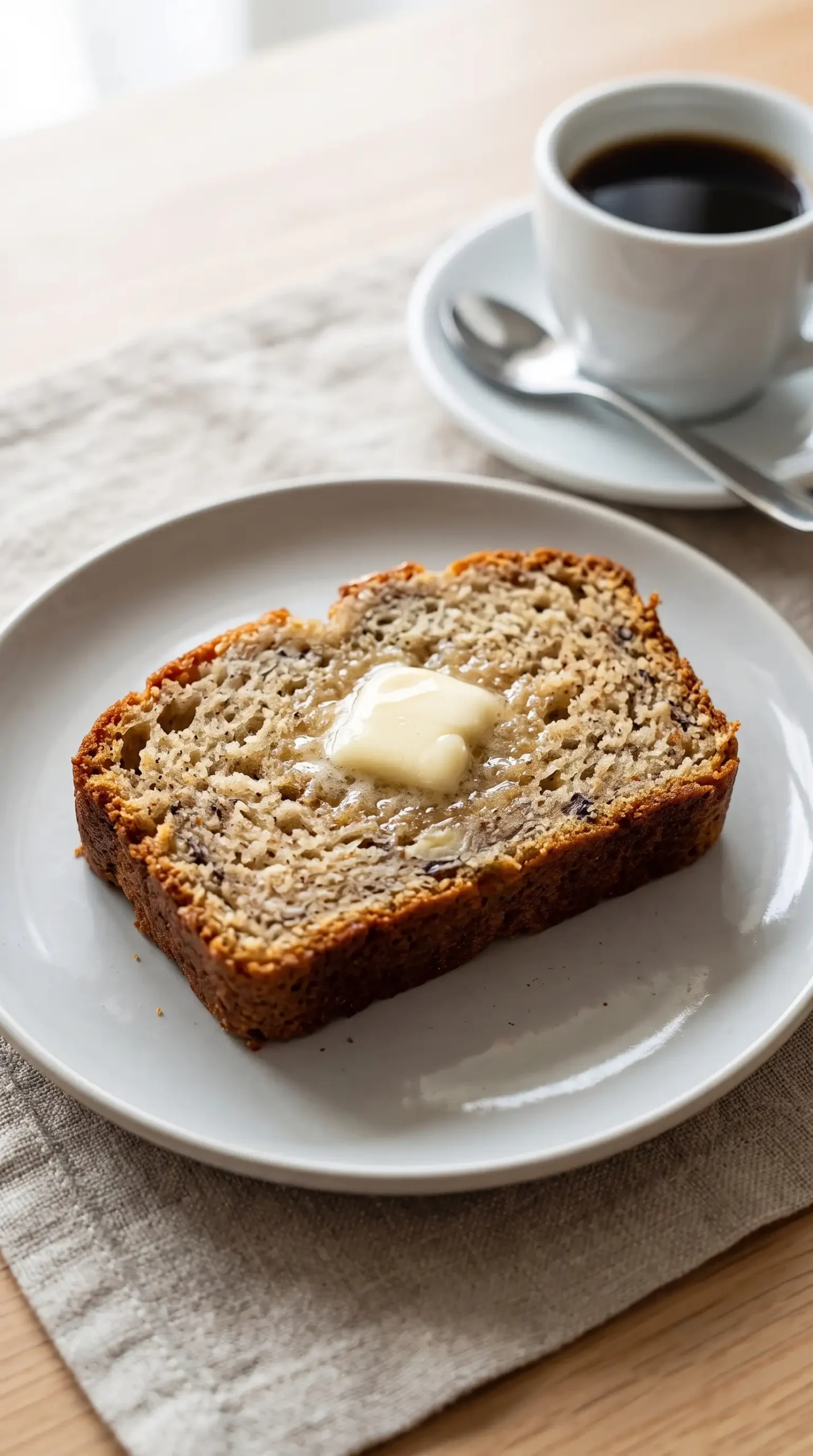
Slices are enjoyable warm or at room temperature, depending on the texture you prefer. Lightly toasted pieces create a slightly firmer surface while keeping the soft interior of the loaf.
Classic toppings pair well because they complement the banana flavor without hiding it. Butter, cream cheese, or mild nut butter can add richness, while honey or yogurt can provide a fresh contrast.
Coffee, tea, and milk are natural companions for this baked good. The loaf’s gentle sweetness makes it flexible enough for breakfast plates, snacks, or simple desserts.
Storage Steps for Soft Banana Bread Slices
Proper storage helps maintain the tenderness that makes banana bread enjoyable after baking day. Once cooled, the loaf should be wrapped tightly or kept in an airtight container to protect the crumb.
Room temperature storage works well for a few days when the loaf is protected from air. In warmer kitchens, refrigeration can help preserve freshness, although slices should return closer to room temperature before serving for the best texture.
Freezing individual slices creates a convenient option for longer storage. Separating portions before freezing makes it easier to thaw only what you need for breakfast or a snack.
- Counter storage: Keep the cooled loaf sealed to protect moisture.
- Cold storage: Refrigerate when kitchen temperatures are warm.
- Freezer storage: Freeze portions in a freezer-safe bag for longer keeping.
Variations for an Easy Banana Bread Recipe
Chopped walnuts or pecans add crunch, and a nut-focused loaf uses those additions to create a richer texture; the recipe for banana nut bread keeps the focus on how nuts change a classic banana loaf.
A small amount of cinnamon can introduce a warm spice note. Mix-ins should be folded in after the flour is added so they spread evenly without requiring extra stirring.
Ingredient swaps are best kept moderate. Replacing a portion of all-purpose flour with whole wheat flour can add a deeper flavor, but large changes may affect the soft texture that defines the loaf.
Moist Banana Bread Mistakes That Create a Dense Loaf
Many texture problems come from a few avoidable choices. Overmixing after adding flour is one of the most common causes of a tougher crumb because extra stirring encourages more structure to develop.
Under-ripe bananas can also change the outcome. Fruit without enough ripeness brings less sweetness and less banana character, leaving the finished loaf flatter in flavor.
Other issues can happen when baking time or cooling is ignored. A loaf removed before the center is set may sink, while slicing too soon can disturb the structure before it finishes settling.
- Dense texture: Reduce mixing once the flour disappears.
- Weak banana flavor: Choose heavily spotted or brown bananas.
- Sinking center: Check that the middle is fully baked before cooling.
Small Adjustments That Improve Every Bake
Reliable results often come from repeating a few careful habits. Measuring ingredients consistently, preparing the pan before mixing, and keeping the batter handling gentle all support a better loaf.
A tablespoon of sour cream or yogurt can be folded in when extra moisture is desired. These additions should support the existing balance instead of replacing the role of the bananas.
Positioning the loaf pan in the center of the oven rack also helps encourage even baking. Simple preparation choices can make a familiar banana bread loaf recipe more dependable.
Ripe Bananas Deliver the Moist Banana Bread Result
Ripe bananas create the moisture and flavor foundation that defines the loaf. When the fruit is properly developed and the batter is handled with care, the baked result is a tender slice with a soft crumb and balanced sweetness.
Gentle mixing and careful baking decisions keep the texture consistent from batch to batch. The combination of simple ingredients and thoughtful handling is what makes this homemade loaf a dependable choice for everyday baking.
Moist Banana Bread Texture Questions and Answers
Why is my banana bread dense?
A dense loaf usually comes from overmixing the batter after adding flour. Stir only until the flour disappears so the crumb remains soft and tender.
How ripe should bananas be for the best flavor?
Bananas with many brown spots or mostly brown peel are best because they provide stronger sweetness, moisture, and banana flavor than firmer fruit.
Can banana bread be made with brown sugar?
Brown sugar can replace white sugar and adds a mild molasses flavor. It may also slightly increase the moisture of the finished loaf.
Why did my banana bread sink in the middle?
A sunken center can happen when the middle is underbaked or the oven temperature is too low. Checking the loaf near the center helps confirm it has baked through.
Can I freeze individual banana bread slices?
Yes. Individual slices can be frozen in a freezer-safe bag with parchment between portions, making it simple to thaw single servings when needed.
What mix-ins work well in banana bread?
Chopped walnuts, pecans, and chocolate chips are suitable additions. Keep mix-ins to a moderate amount so the banana flavor and soft crumb remain the focus.
Moist Banana Bread
Moist Banana Bread is a tender, flavorful loaf with a soft texture and rich banana taste. It is an easy homemade bake perfect for breakfast, snacks, or sharing with family and friends.
Ingredients
Method
Preparation
- Heat the oven to 350°F / 175°C and prepare a 9x5-inch loaf pan by greasing it or adding parchment paper.
- Mash the ripe bananas in a large bowl using a fork until mostly smooth.
- Mix the melted butter into the mashed bananas until fully incorporated.
- Add the sugar, beaten egg, and vanilla extract to the banana mixture and stir until combined.
- Add the baking soda and salt, then mix gently to distribute the dry ingredients.
- Stir in the all-purpose flour just until no dry flour remains, avoiding overmixing.
Baking
- Transfer the batter to the prepared loaf pan and smooth the surface evenly.
- Bake for 50 to 60 minutes, checking that a toothpick inserted into the center comes out clean.
- Leave the loaf in the pan for 10 minutes to cool slightly.
- Move the banana bread to a wire rack and allow it to cool completely before slicing.
Notes
Use very ripe bananas with brown spots for the best moisture and banana flavor.