
From morning breakfasts to evening dinners, Tasteza Recipes offers quick and easy recipe ideas, featuring everything from wholesome meals to delicious desserts for every moment and every occasion.


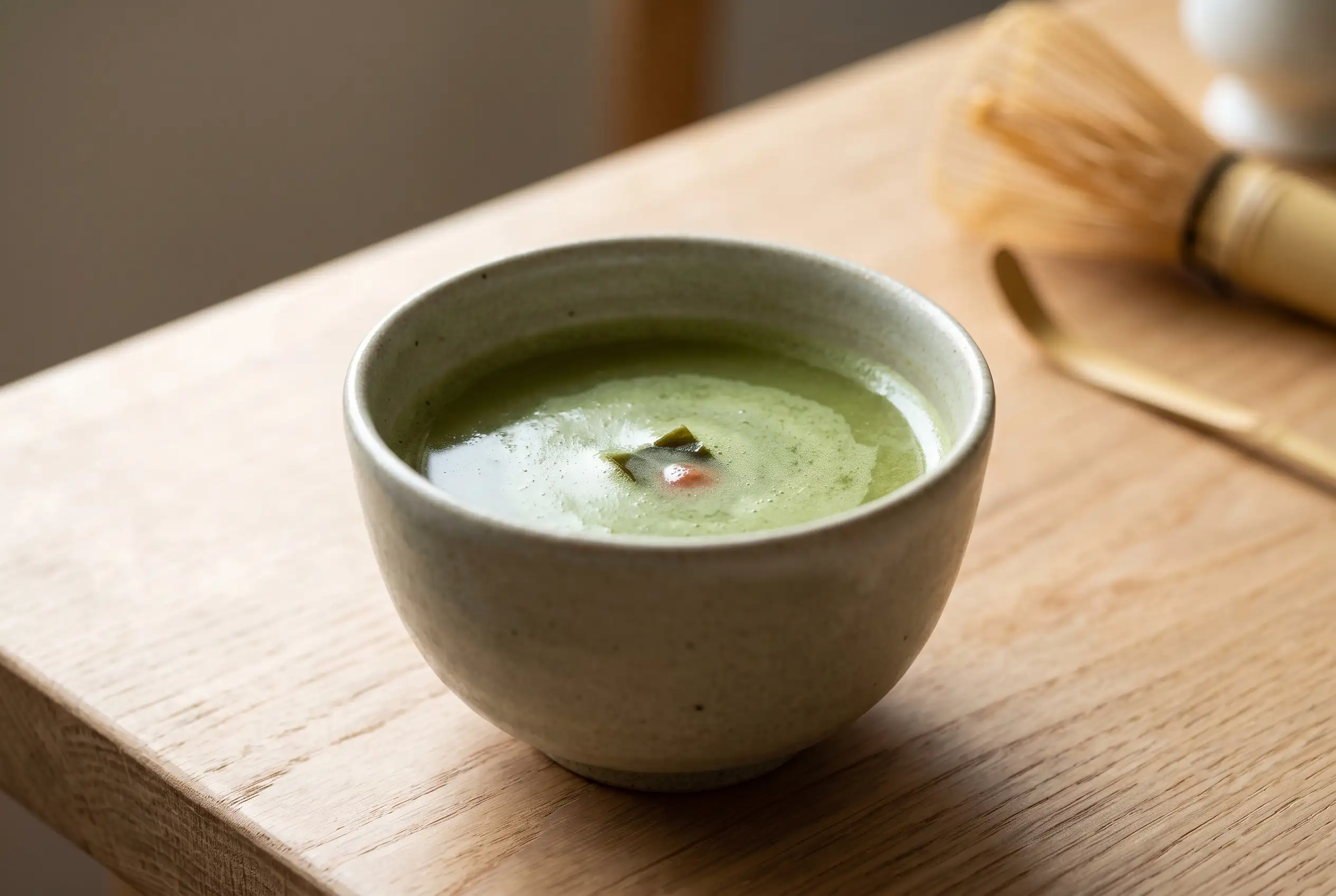
Japanese Mounjaro recipe creates a savory matcha drink that combines kombu, ginger, and umeboshi with the bright character of green tea. The Mounjaro matcha infusion offers a balanced cup with gentle umami, a refreshing finish, and a light frothy texture that makes it different from a standard sweetened tea.
Built around a short infusion and careful whisking, the japanese mounjaro recipe works well when you want a warm beverage with simple preparation. Kombu provides a broth-like depth, while matcha brings the familiar green tea flavor and natural bitterness that needs thoughtful handling.
Why Japanese Mounjaro Fits a Savory Tea Routine
The drink sits between tea and broth, creating a useful option for mornings, lighter meals, or moments when a plain beverage feels too simple. The combination of matcha and kombu creates layers of flavor without relying on a heavy base.
A japanese mounjaro recipe is appealing because the ingredients are easy to keep available. Dry kombu and matcha can be stored for extended periods when protected from light and moisture, making it practical for occasional preparation.
The short preparation also makes the drink approachable. A ceramic bowl and whisk are enough for creating the infusion, and the process focuses on timing, temperature, and texture instead of complicated equipment.
Kombu Matcha Drink Ingredients Need Careful Balance
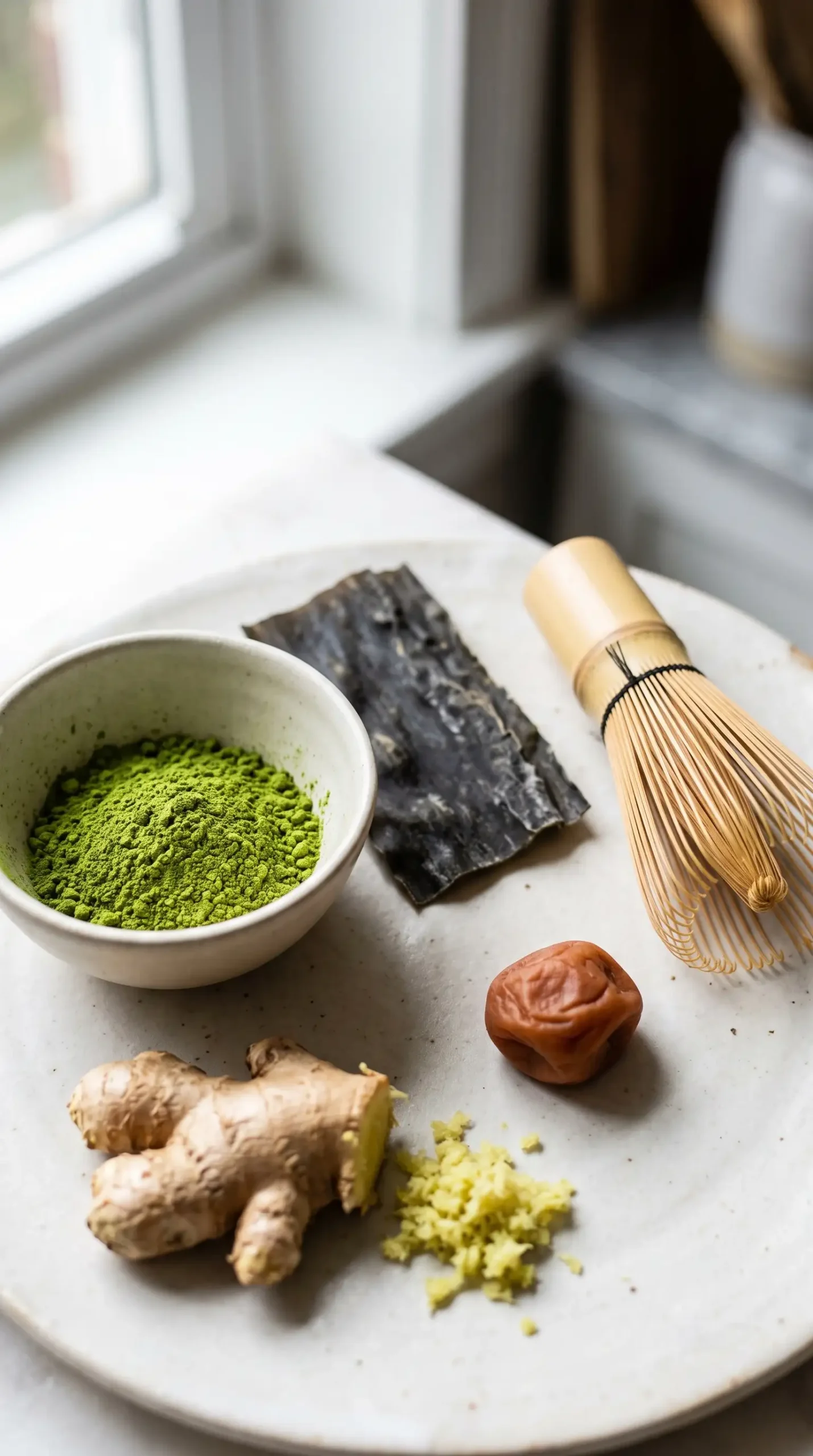
The most important ingredient decisions in this kombu matcha drink come from understanding how each element affects the finished cup. Kombu should provide a clean savory note, while matcha should remain bright and smooth.
Umeboshi and ginger are flexible additions that influence the personality of the drink. A small amount of umeboshi introduces tang and saltiness, while ginger adds warmth that can be adjusted according to preference.
- Kombu handling: Brief soaking extracts flavor while keeping the liquid light.
- Matcha selection: A ceremonial-grade powder can offer a cleaner sweetness, while culinary-grade options provide a practical choice.
- Fresh ginger: Finely grated root distributes spice evenly through the cup.
Water Temperature Controls the Japanese Matcha Infusion Recipe
Temperature has a direct effect on the japanese matcha infusion recipe because matcha responds poorly to water that is too hot. Water around 175°F (80°C) helps prevent harsh bitterness and supports a smoother drink.
The brewing process depends on gentle heat instead of boiling. Keeping the water below 185°F preserves the more delicate character of the matcha powder and helps maintain a balanced flavor.
| Water approach | Effect on drink | Best use |
|---|---|---|
| About 175°F (80°C) | Smoother matcha flavor | Preferred preparation |
| Boiling water | Sharper bitterness | Avoid for matcha |
| Cooler water | Lighter extraction | Useful for chilled versions |
Preparing Kombu Without Heavy Flavor
Kombu creates the savory foundation of the japanese mounjaro recipe, but its extraction needs restraint. A short soak releases umami while avoiding an overly intense or thick texture.
Long soaking or simmering can change the character of the liquid. The drink depends on a clean infusion, so extended heat is unnecessary for achieving the intended balance.
Once the kombu has infused the water, removing it before adding matcha keeps the tea element distinct. This separation allows the froth and green tea aroma to remain noticeable.
Whisking Matcha for Lasting Froth
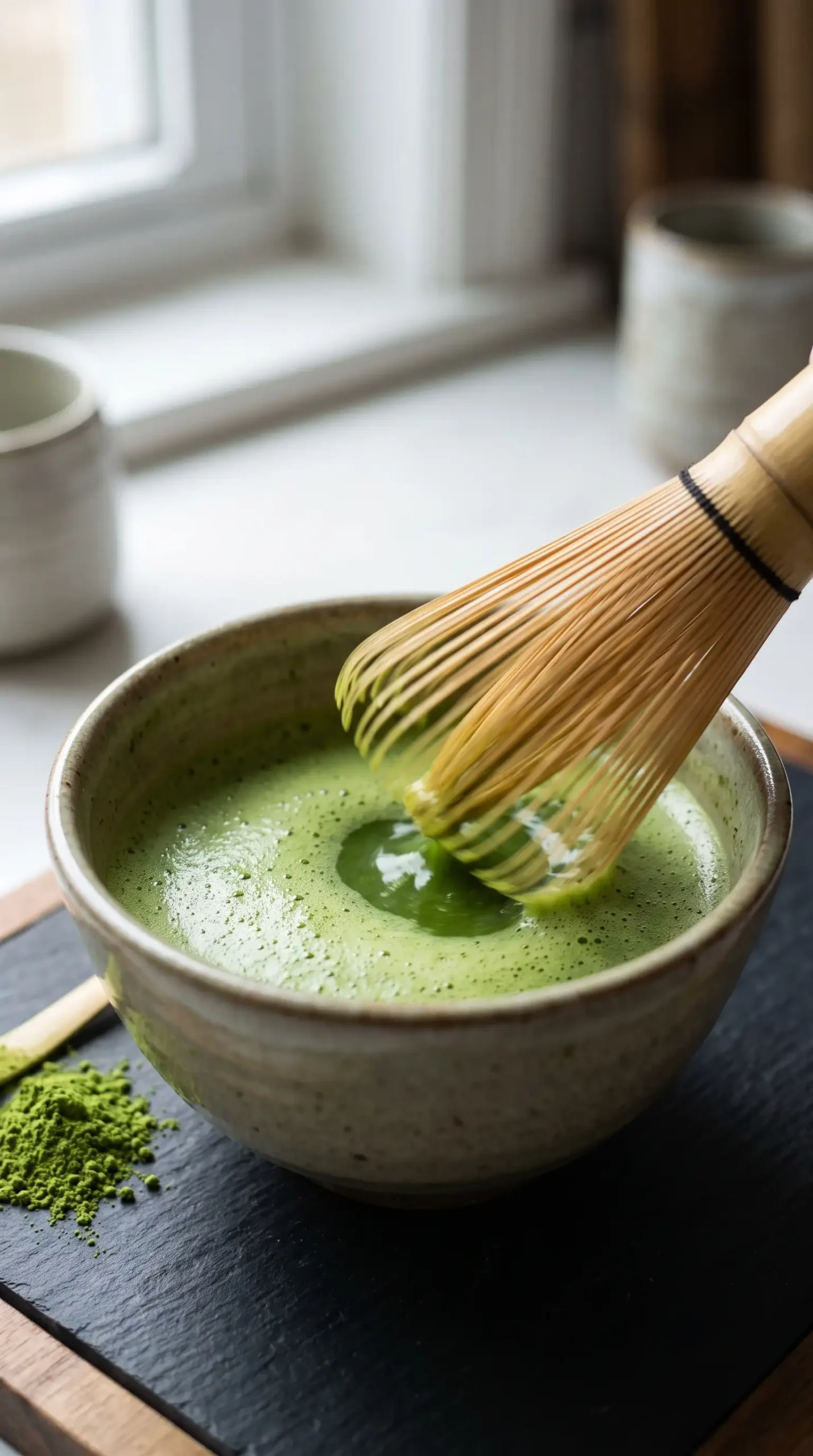
The texture of the drink comes from brisk whisking. A bamboo whisk preparation creates a smooth mixture by moving through the matcha in a zigzag motion until the powder blends into the liquid.
Froth develops quickly after whisking, so serving soon after preparation preserves the light surface texture. The japanese mounjaro recipe is best enjoyed while the drink still has its fresh aroma and airy finish.
Ginger and Umeboshi Shape the Finish
Fresh ginger and umeboshi give the infusion its brighter personality. Ginger contributes warmth, while umeboshi adds a tangy, salty note that can lift the savory matcha base.
Adding these elements gradually makes it easier to control intensity. A small amount of umeboshi can shift the drink noticeably, so careful adjustment keeps the flavor balanced.
Serving Japanese Mounjaro for Light Pairings
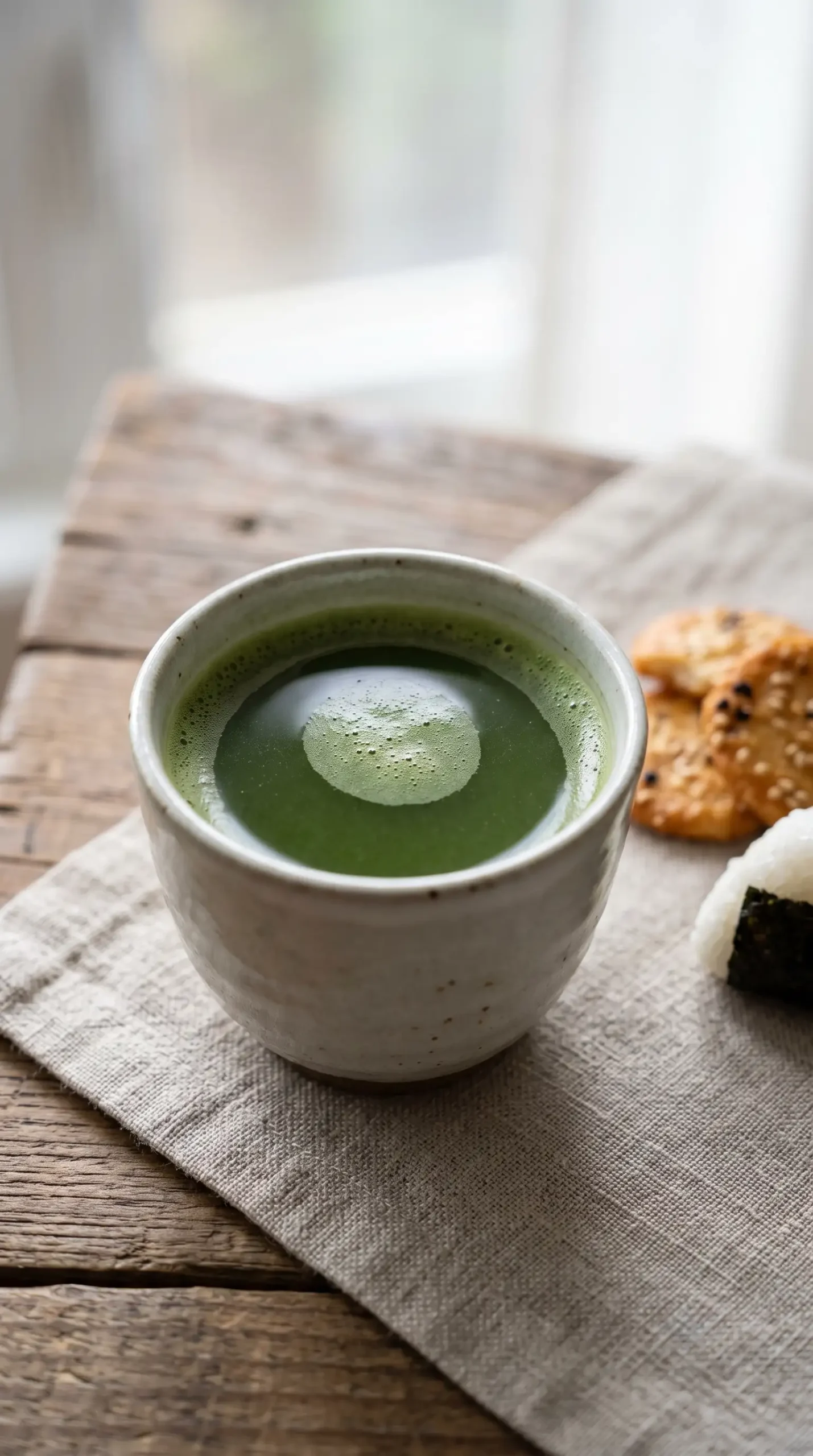
Small ceramic cups help maintain temperature and preserve aroma while drinking. The savory notes are easier to appreciate when sipped slowly.
The beverage pairs naturally with mild foods that do not overpower its delicate profile. Rice-based dishes, pickled vegetables, simple fish preparations, rice crackers, and small onigiri all complement the drink. A serving of Basic Jasmine Rice creates a simple accompaniment when a warm grain is preferred alongside the savory matcha infusion.
Storage Choices Protect Matcha Texture
The japanese mounjaro recipe has its best texture when served immediately after whisking. Refrigeration can preserve the liquid for short periods, but the froth and matcha texture will gradually change.
Unused dry ingredients require different care. Matcha and kombu should stay sealed in containers away from moisture and light to help preserve quality over several months.
Adjusting the Japanese Mounjaro Recipe to Taste
Small changes can create different versions of the infusion while keeping the same foundation. A lighter drink can use less matcha and more water, while a spicier version can use sliced ginger for a more noticeable warmth.
A cold variation is also possible by preparing the kombu infusion with chilled water in the refrigerator before whisking matcha separately before serving.
- Lighter profile: Reduce matcha slightly for a softer green tea presence.
- More spice: Add ginger gradually until the warmth suits your preference.
- Cold serving: Chill the kombu infusion and combine with freshly whisked matcha.
Mistakes That Affect Japanese Mounjaro Flavor
Using boiling water is one of the most common problems with Japanese Mounjaro. Excessive heat can create a bitter taste and reduce the smooth quality expected from matcha.
Another issue is allowing kombu to soak too long. Extended extraction can make the liquid overly strong and heavy, taking attention away from the balanced tea character.
Skipping brisk whisking can also affect the result. Matcha needs active mixing to create the smooth, frothy texture that defines the drink.
Choosing Matcha and Kombu for Better Results
Matcha quality changes the overall experience of the japanese mounjaro recipe. Ceremonial-grade powder may provide a cleaner flavor, while culinary-grade matcha can still work well depending on availability and budget.
Kombu selection also matters because the seaweed supplies the savory foundation. Keeping the infusion gentle allows the matcha, ginger, and umeboshi to remain noticeable instead of being overwhelmed.
| Choice | Flavor direction | Preparation note |
|---|---|---|
| Ceremonial-grade matcha | Cleaner and sweeter | Works well for a refined cup |
| Culinary-grade matcha | Stronger green tea character | Practical everyday option |
| Briefly infused kombu | Light umami depth | Keeps the drink balanced |
Japanese Mounjaro Matcha Infusion Delivers Balanced Simplicity
The japanese mounjaro recipe depends on gentle choices: controlled water temperature, brief kombu infusion, and careful whisking. These steps allow savory, tangy, and green tea flavors to remain distinct in the finished cup.
Japanese Mounjaro shows how a few pantry-friendly ingredients can create a drink with both tea-like freshness and broth-like depth. The balance comes from respecting each stage of preparation and serving it while the texture is still lively.
Japanese Mounjaro Froth Questions and Answers
How long does the froth last after whisking?
The froth is most enjoyable for a few minutes after whisking. Serving immediately keeps the light texture and aroma at their best.
Can the japanese mounjaro recipe be made without kombu?
Yes, but removing kombu changes the drink by reducing its umami depth. The result becomes more focused on matcha and has a brighter green tea character.
How much ginger should be added to the infusion?
A small amount of grated ginger is a good starting point, and the quantity can be increased gradually. Fresh ginger provides a more vibrant flavor than powdered ginger.
What does umeboshi change in the drink?
Umeboshi adds a tangy and lightly salty note that brightens the matcha kombu drink when used in moderation.
Is a mounjaro matcha infusion caffeinated?
Yes, matcha naturally contains caffeine. Reducing the matcha amount or choosing a decaffeinated green tea alternative can lower the stimulant level.
Japanese Mounjaro Matcha Infusion with Kombu Ginger
Japanese Mounjaro Matcha Infusion with Kombu Ginger is a fresh, frothy matcha drink with savory depth, gentle spice, and a distinctive umami flavor. It is a quick infusion to make when you want a warm, calming beverage with a unique Japanese-inspired profile.
Ingredients
Method
Preparation
- Measure the kombu seaweed, matcha powder, and filtered water before beginning.
- Heat the filtered water to 175°F / 80°C.
- Place the kombu in the warm water and allow it to infuse for a few minutes, then remove the kombu from the liquid.
Assembly
- Add the matcha powder to the kombu-infused water in a ceramic bowl.
- Whisk the matcha in a zigzag motion until the drink becomes smooth and frothy.
- Finely grate or thinly slice the fresh ginger root and stir it into the matcha infusion.
- Add umeboshi plum according to taste and mix well.
- Serve the Japanese Mounjaro matcha infusion immediately while the foam remains fresh.
Notes
Keep the water below boiling temperature to help prevent bitterness, and avoid leaving the kombu in the water for an extended time.