
From morning breakfasts to evening dinners, Tasteza Recipes offers quick and easy recipe ideas, featuring everything from wholesome meals to delicious desserts for every moment and every occasion.


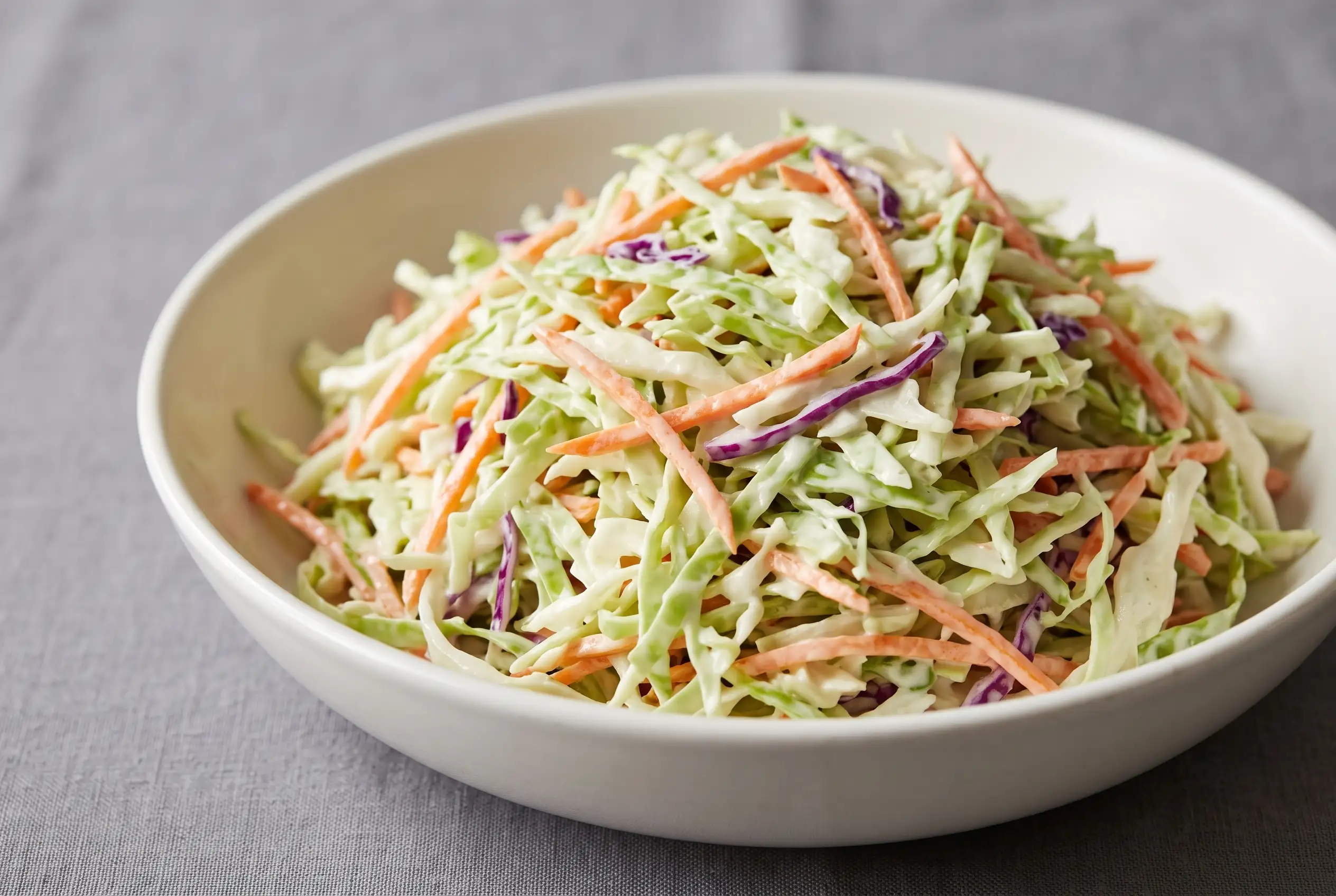
Easy coleslaw brings together crisp shredded cabbage, a creamy dressing, and a balanced sweet-tangy flavor in a side dish that works for everyday meals and gatherings. The combination of fresh vegetables and a simple homemade coleslaw dressing makes it a dependable option when you want a cool contrast beside grilled foods, sandwiches, or picnic favorites.
Prepared without cooking, easy coleslaw keeps the vegetables bright while a short chill allows the flavors to blend. The classic creamy coleslaw style comes from a mayonnaise-based dressing paired with vinegar, sugar, and celery seed, creating a familiar taste with minimal preparation.
Why Easy Coleslaw Fits Busy Meals
Simple preparation makes this side useful when you need a dish that can be mixed quickly and served later. The shredded vegetables provide crunch immediately, while the chilled resting time helps the dressing settle into the cabbage.
Cabbage Choices Shape the Coleslaw Texture
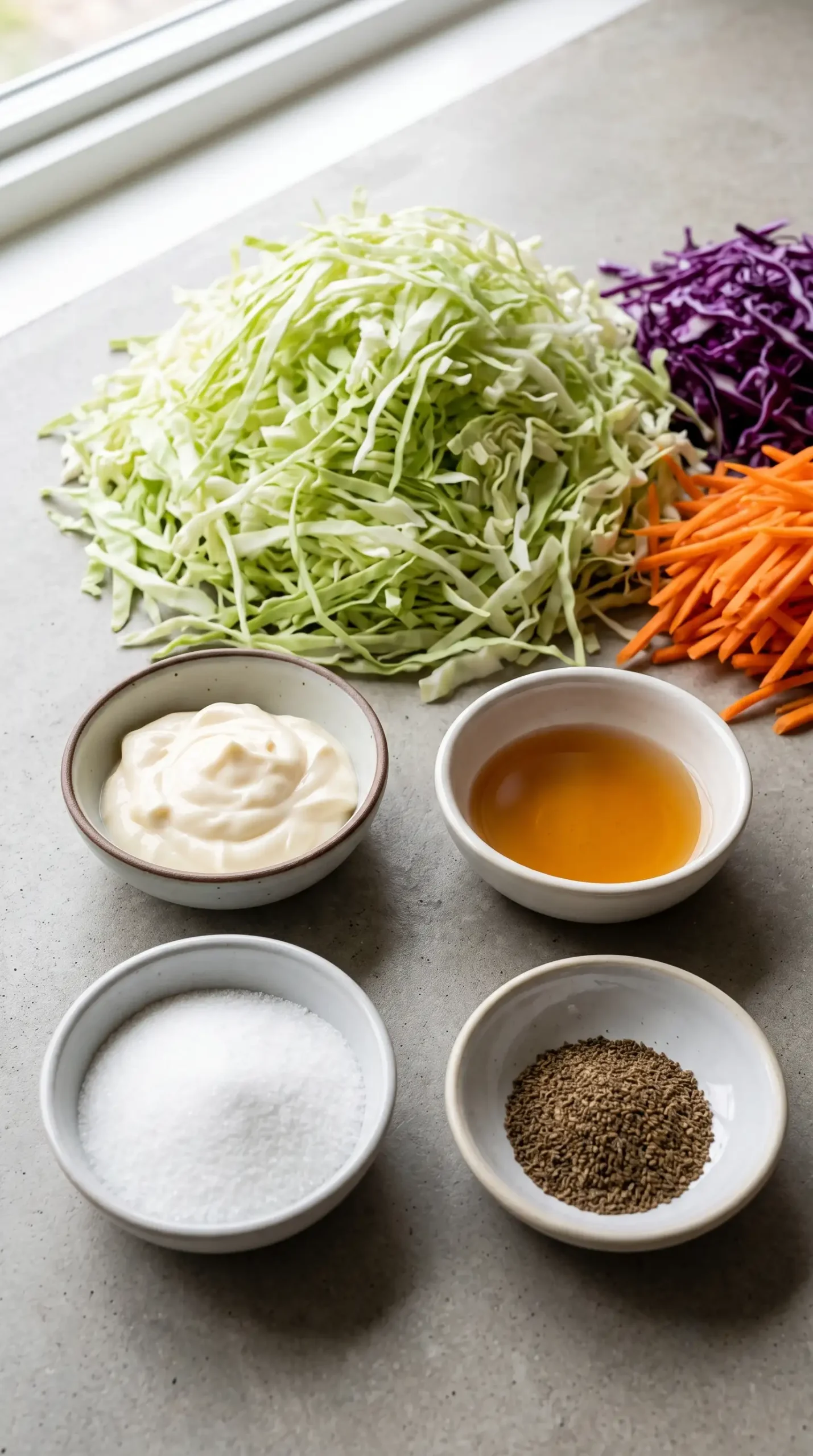
Green cabbage provides the traditional foundation for a classic creamy coleslaw because it holds its crisp texture after being shredded and dressed. Finely cutting the cabbage helps each bite carry a consistent mix of vegetables and dressing.
Red cabbage can be included for extra color and a slightly different texture. The optional addition creates more visual contrast while still fitting the same creamy style and preparation approach.
Carrots add another layer of texture and a naturally sweet note. Keeping the shreds similar in size helps the vegetables combine evenly, making the finished salad easier to serve and enjoy.
Homemade Coleslaw Dressing Balances Every Bite
The dressing is built around mayonnaise, apple cider vinegar, sugar, and celery seed. These ingredients create the creamy, tangy profile associated with a classic creamy coleslaw while keeping the preparation straightforward.
Apple cider vinegar provides acidity that cuts through the richness of mayonnaise. Sugar rounds out that sharpness, allowing the flavors to blend into a smoother overall taste after chilling.
Celery seed brings a recognizable traditional flavor, but it is a strong ingredient that works best when added carefully. Mixing the dressing thoroughly before combining it with the vegetables helps distribute the flavors evenly.
Crisp Texture Depends on Coleslaw Handling
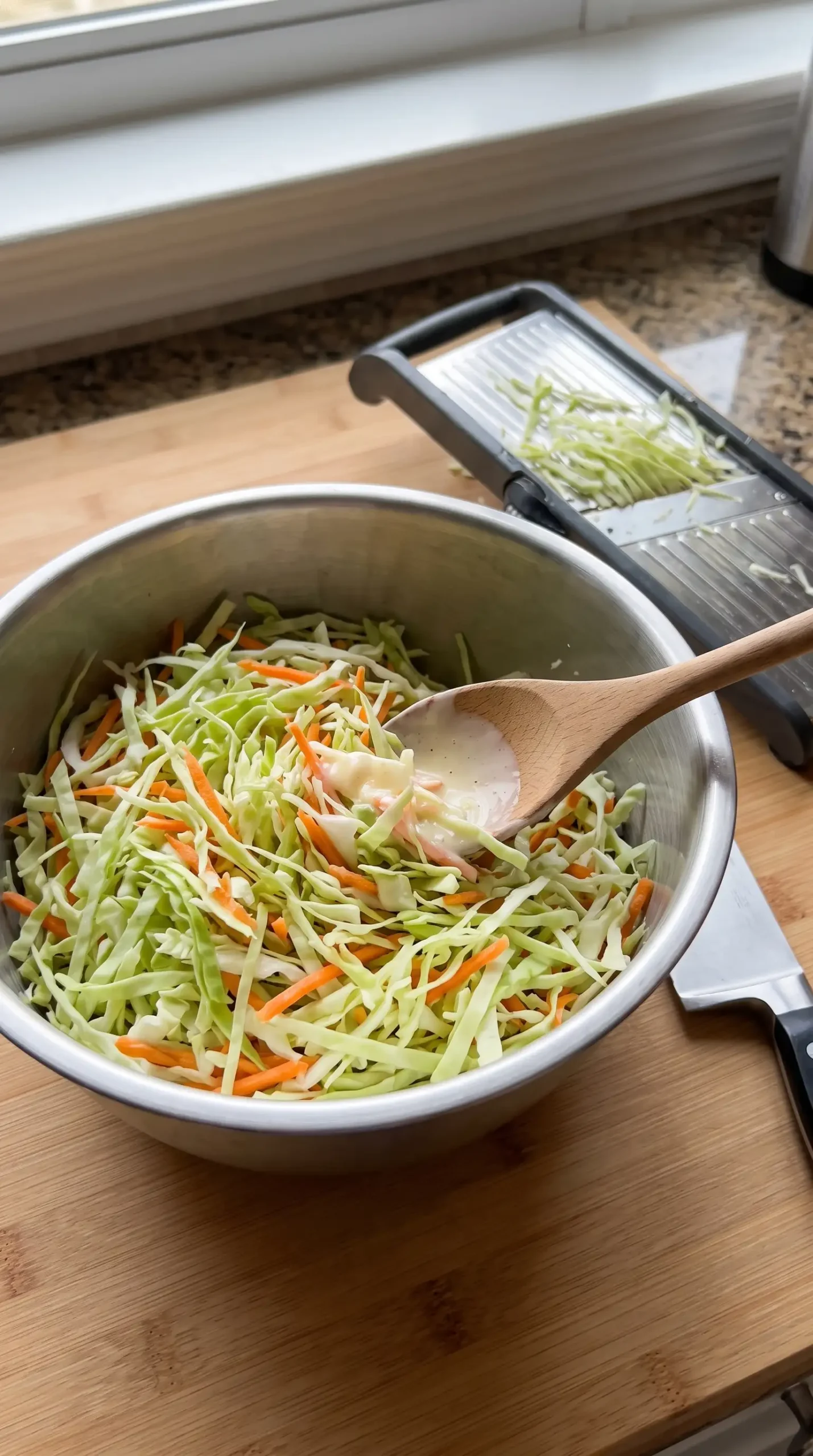
Thin, even shreds are one of the most important controls for achieving the right texture. A sharp knife or mandoline can help create pieces that absorb dressing while still keeping some bite.
Drying shredded cabbage before mixing prevents extra moisture from weakening the dressing. Methods that remove excess moisture from vegetables can help keep the creamy mixture thicker after combining.
Chilling also affects the final texture because the cabbage softens slightly while the flavors meld. The rest period creates a more unified taste without requiring any cooking step.
Easy Coleslaw Complements More Than Barbecue
Cold coleslaw pairs naturally with grilled chicken, burgers, and smoked meats because the crisp vegetables provide a fresh contrast. It can also add crunch and creaminess when used as a topping for pulled pork sandwiches or fish tacos.
Keeping Coleslaw Fresh After Preparation
An airtight container helps maintain the quality of easy coleslaw in the refrigerator. The vegetables continue to release moisture over time, so the best texture comes during the earlier storage period.
Freezing is not recommended because frozen cabbage loses its crisp structure and the dressing may separate after thawing. Refrigerated storage keeps the creamy mixture together while preserving the character of the shredded vegetables.
If excess liquid collects after storage, draining the extra moisture can improve the texture. A small amount of fresh mayonnaise can be mixed in before serving if the dressing needs refreshing.
Easy Coleslaw Mistakes That Create Soggy Results
Cutting cabbage too thickly can lead to uneven bites and make it harder for the dressing to coat every piece. Thin slices create a better balance between vegetable texture and creamy coverage.
Adding too much dressing at once can make the salad heavy and reduce the crisp quality of the cabbage. Starting with a measured amount and adjusting after tossing helps keep the mixture balanced.
Skipping the drying step after shredding can also affect the finished consistency. Excess water from the vegetables may thin the dressing, so removing surface moisture before mixing is an important part of preparation.
Small Changes Create New Coleslaw Variations
A few simple adjustments can change the flavor while keeping the same basic structure. Replacing part of the mayonnaise with plain yogurt creates a lighter, tangier dressing, while thinly sliced apple can add sweetness. A small amount of Dijon can introduce gentle heat, and additions such as bell pepper, green onion, or shredded apple can bring extra variety.
Crunchy vegetable salads can include nuts and fresh accents alongside creamy dressings, with Bacon Brussel Sprout Salad bringing together shredded vegetables, citrus dressing, and almonds for a finished salad with contrasting textures.
Coleslaw Preparation Choices at a Glance
| Choice | Effect on Coleslaw | Best Use |
|---|---|---|
| Thinly shredded cabbage | Creates an even bite and better dressing coverage | Classic creamy coleslaw texture |
| Red cabbage addition | Adds color and a slightly different vegetable texture | Serving bowls that need visual contrast |
| Reserved dressing | Helps refresh the salad after chilling | Make-ahead preparation |
| Toasted sunflower seeds | Adds extra crunch when served | Last-minute texture boost |
Simple Coleslaw Tips Improve the Finished Bowl
Small preparation choices have a noticeable effect on the final texture and flavor. Paying attention to shredding, seasoning, and mixing helps maintain the balance between crisp vegetables and creamy dressing.
- Shred evenly: Cut cabbage into thin pieces so the dressing coats the vegetables consistently.
- Check seasoning: Taste the dressing before adding salt because the sugar and vinegar already affect the overall balance.
- Mix carefully: Combine the dressing thoroughly so the sugar dissolves and spreads throughout the mixture.
- Add crunch later: Toasted sunflower seeds are best added close to serving time.
- Save dressing: Keep a little extra available when preparing the salad ahead.
Easy Coleslaw Brings Together Freshness and Balance
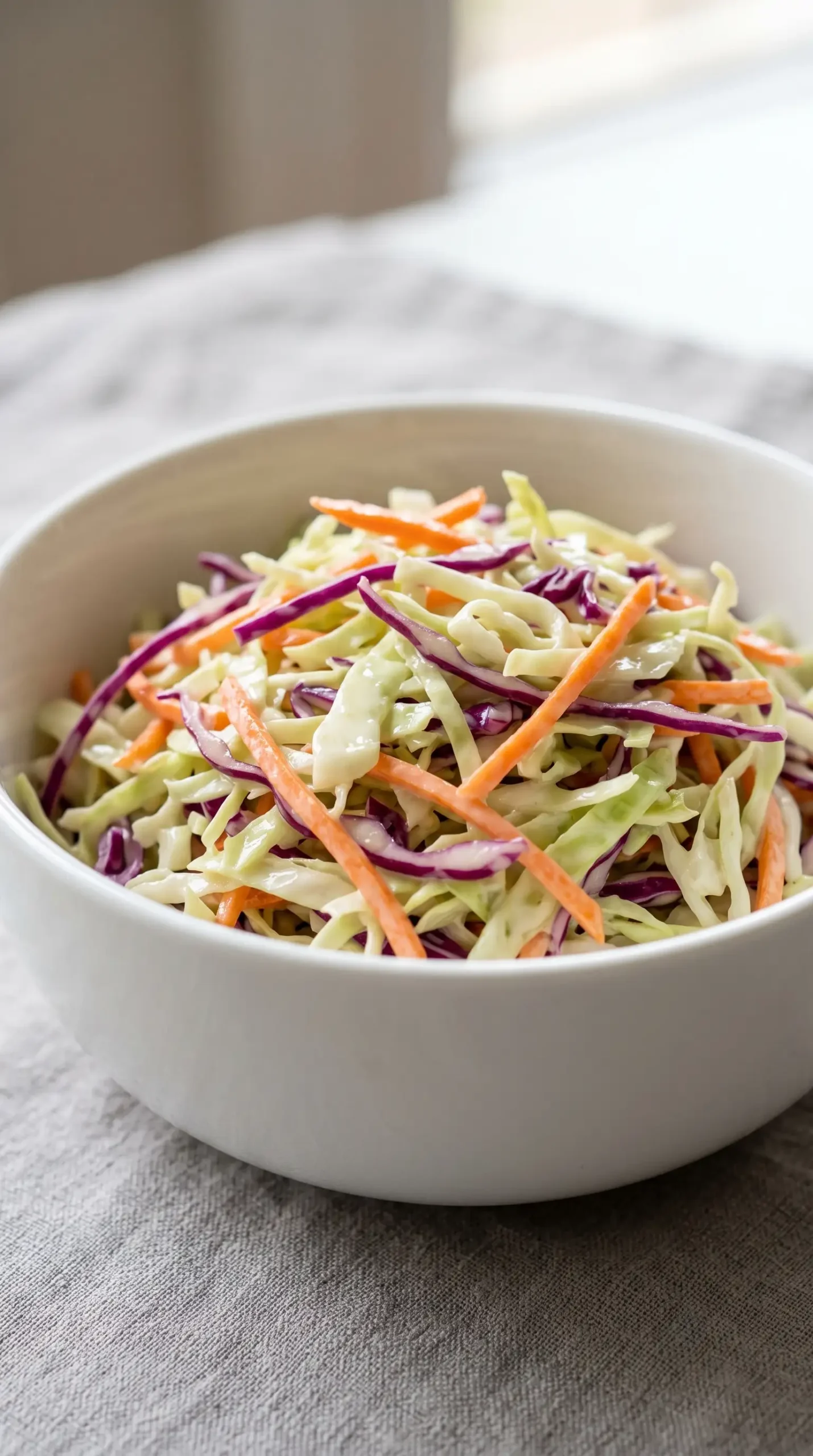
Crisp cabbage, balanced dressing, and proper chilling create the defining qualities of easy coleslaw. The vegetables stay refreshing when moisture is controlled, while the creamy mixture develops a familiar sweet and tangy flavor that fits many meals.
The best results come from treating texture as carefully as flavor. Thin shredding, gentle mixing, and thoughtful storage allow this simple side to remain crunchy, creamy, and ready for everything from casual dinners to larger gatherings.
Coleslaw Texture and Storage Questions Answered
How do I keep easy coleslaw from getting watery?
Dry shredded cabbage before mixing and avoid adding more dressing than needed at the start. Keeping the salad chilled and removing excess liquid during storage helps maintain a thicker texture.
Can I make easy coleslaw ahead of serving?
Yes, preparing it ahead allows the flavors to combine during chilling. Reserving a small amount of dressing gives you a way to refresh the texture before serving if needed.
What cabbage works best for a creamy coleslaw recipe?
Green cabbage is the traditional choice because it provides the familiar crisp texture associated with coleslaw. Red cabbage can be added when you want extra color and variation.
Why does celery seed matter in classic creamy coleslaw?
Celery seed contributes the recognizable flavor often found in traditional versions of coleslaw. Since the flavor is concentrated, using it carefully keeps the dressing balanced.
Can I change the mayonnaise in homemade coleslaw dressing?
Plain yogurt can replace part of the mayonnaise for a lighter variation, and vegan mayonnaise can be used when a different dietary option is needed.
How long does coleslaw stay good in the refrigerator?
Coleslaw keeps best in an airtight container for about 3 to 4 days. The texture is usually strongest earlier because the cabbage gradually softens and releases moisture.
Easy Coleslaw with Classic Creamy Dressing and Carrots
Easy coleslaw combines crisp shredded vegetables with a creamy, tangy dressing for a fresh side dish that is simple to prepare for everyday meals and gatherings.
Ingredients
Method
Preparation
- Add the shredded green cabbage, optional red cabbage, and shredded carrots to a large mixing bowl.
- In a separate bowl, whisk together the mayonnaise, apple cider vinegar, sugar, and celery seed until the dressing is smooth and the sugar has dissolved.
- Pour the dressing over the vegetables and gently mix until the cabbage and carrots are evenly coated.
- Season the coleslaw with salt and black pepper according to taste.
Chilling and Serving
- Cover the bowl and refrigerate the coleslaw for at least 1 hour to help the flavors blend and slightly soften the cabbage.
- Serve the coleslaw cold.
Notes
Dry shredded cabbage with a clean towel before combining the ingredients to help reduce excess liquid in the dressing.