
From morning breakfasts to evening dinners, Tasteza Recipes offers quick and easy recipe ideas, featuring everything from wholesome meals to delicious desserts for every moment and every occasion.


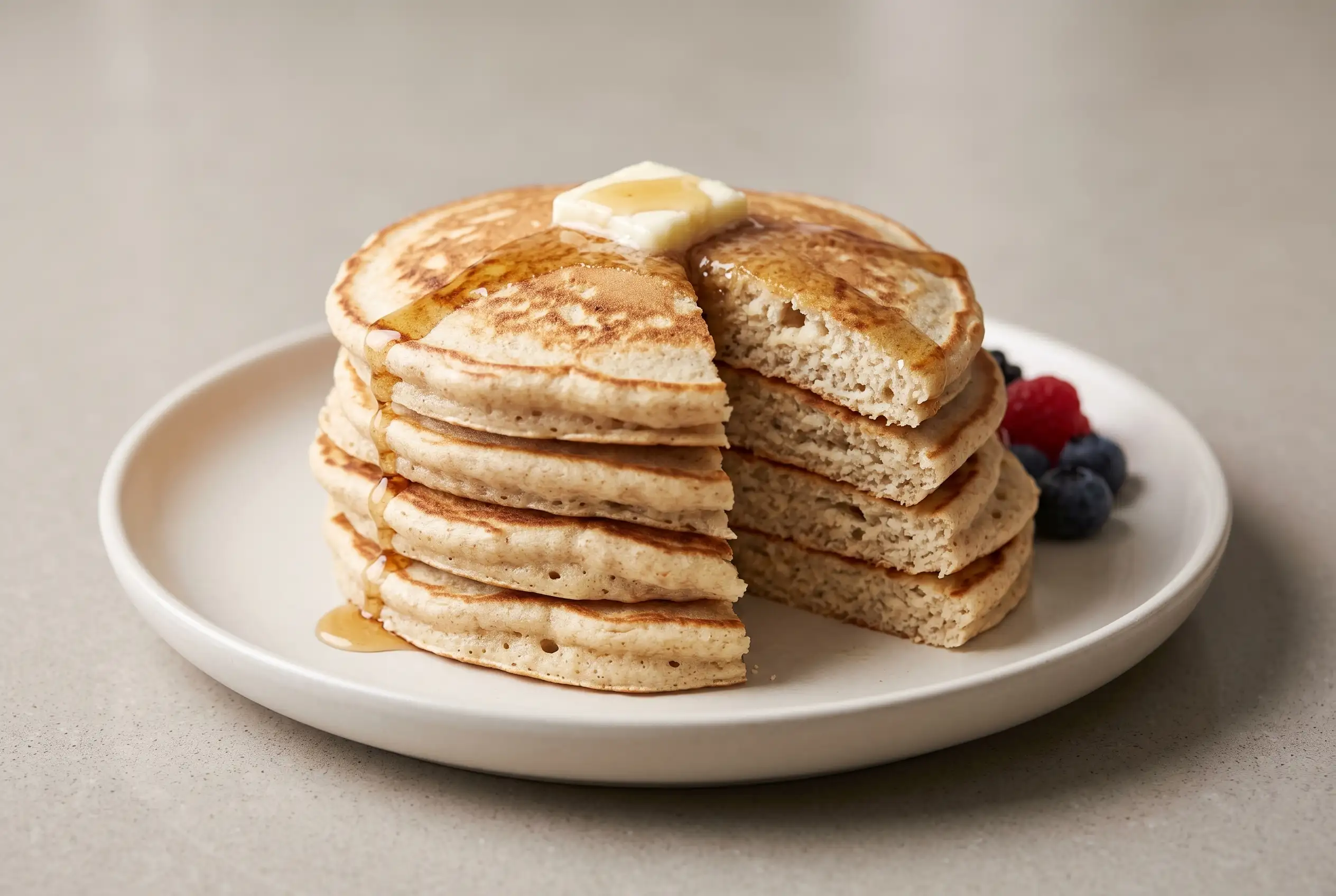
Dinner Pancakes bring together whole wheat pastry flour, tangy buttermilk, and whipped egg whites for a tender stack with a light, airy texture. The classic family-style approach makes these pancakes useful beyond breakfast because the balanced flavor works with sweet toppings, fruit, or savory sides when a quick meal is needed.
The combination of gentle sweetness, soft crumb, and subtle tang makes these buttermilk dinner pancakes stand out from heavier whole grain versions. Separating the eggs creates extra structure in the batter, while careful folding keeps the finished pancakes easy to flip and pleasant to eat.
Why Dinner Pancakes Work for Family Meals
Simple pantry ingredients and a focused mixing method make dinner pancakes a practical choice for busy kitchens. The recipe uses familiar staples while adding a small technique step that changes the texture: whipped egg whites create additional lift without making the batter complicated.
The whole wheat pastry flour keeps the pancakes hearty while maintaining a softer bite than many traditional whole wheat batters. Buttermilk contributes a gentle tang and works with baking soda to support the rise that gives each pancake a fluffy interior.
A batch can fit several occasions, from a relaxed weekend breakfast to an evening meal served with fruit, eggs, vegetables, or other sides. The mild flavor allows toppings and pairings to change without losing the character of the pancakes.
Whole Wheat Pastry Flour Shapes the Pancake Texture
Whole wheat pastry flour is the ingredient choice that most influences the texture of these pancakes. Its lighter structure helps create a tender crumb while still bringing the nutty character associated with whole wheat pancakes.
| Flour choice | Texture result | Best use |
|---|---|---|
| Whole wheat pastry flour | Soft and tender | Balanced family pancakes |
| Regular whole wheat flour | Denser and heavier | Heartier variation |
| Cup-for-cup gluten-free blend | Depends on blend and liquid adjustment | Alternative preparation |
Measuring the flour carefully matters because packed flour can make the batter heavier. Spoon-and-level measuring helps maintain the lighter texture that makes this classic dinner pancakes recipe appealing.
Buttermilk Creates the Signature Dinner Pancakes Balance
Buttermilk provides both flavor and function in the batter. Its acidity reacts with baking soda, creating the gentle chemical lift that works alongside the air held in the whipped egg whites.
Room-temperature buttermilk blends more evenly with the other ingredients, helping the batter come together smoothly. The liquid also prevents the flour from creating an overly firm texture when mixed with care.
The result is a pancake with a slightly tangy flavor that pairs naturally with sweet toppings such as maple syrup or fruit. It also gives savory dinner pairings a pleasant contrast.
Egg White Technique Controls Lift and Tenderness
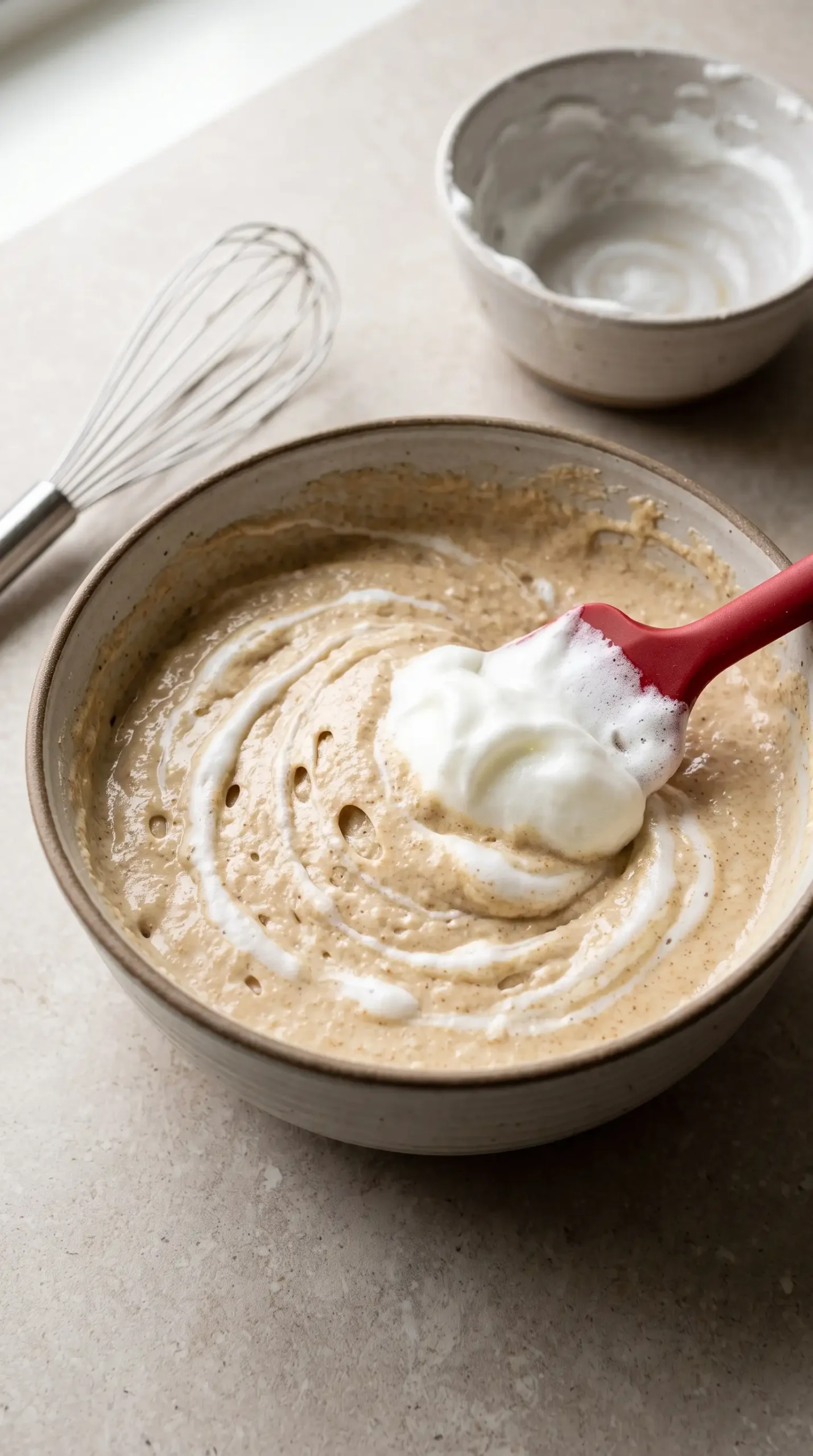
The separated eggs provide an important texture advantage. Yolks help form the base of the batter, while beaten whites introduce air that expands during cooking.
- Soft peaks: Keep enough structure for easy folding while protecting the air bubbles.
- Gentle folding: Preserves volume and avoids flattening the batter.
- Freshly folded whites: Give the pancakes their light interior texture.
Whipping the whites until soft peaks form creates the lift needed for fluffy pancakes, while folding them gently preserves the incorporated air. A spatula and a few broad turns combine the mixture without flattening its volume.
Griddle Temperature Decides Browning and Doneness
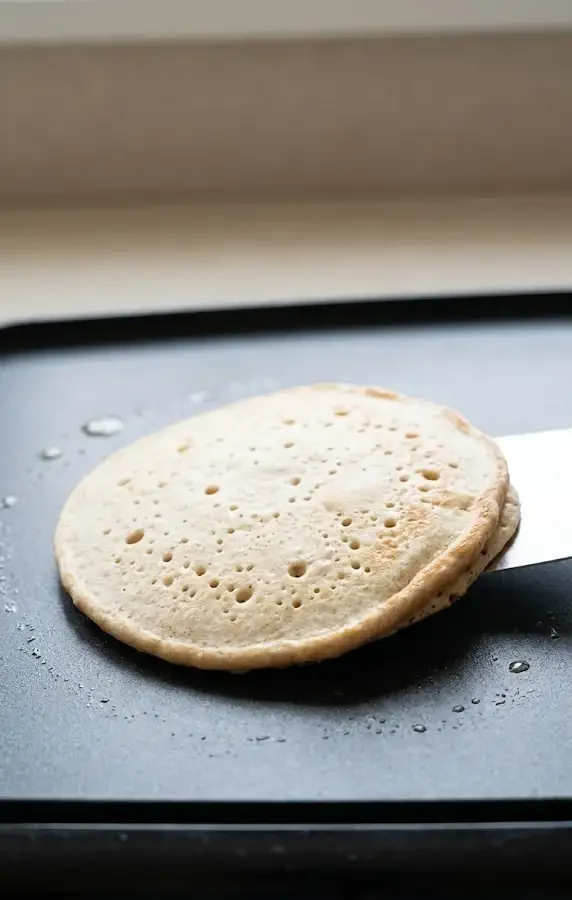
A properly heated griddle helps the pancakes develop an even golden surface while allowing the center to cook through. A temperature around 400 degrees F supports the rise from the batter and creates consistent browning.
| Griddle condition | Visible result | Adjustment |
|---|---|---|
| Properly heated surface | Golden exterior with cooked center | Continue normal cooking |
| Too hot | Outside darkens too quickly | Lower heat slightly |
| Insufficient heat | Slow browning and weaker rise | Allow surface to warm longer |
Lightly greasing the griddle between batches prevents sticking while keeping the pancakes from becoming greasy. Watching for bubbles before flipping helps identify the right moment to turn each pancake.
Serving Ideas for Classic Dinner Pancakes Recipe
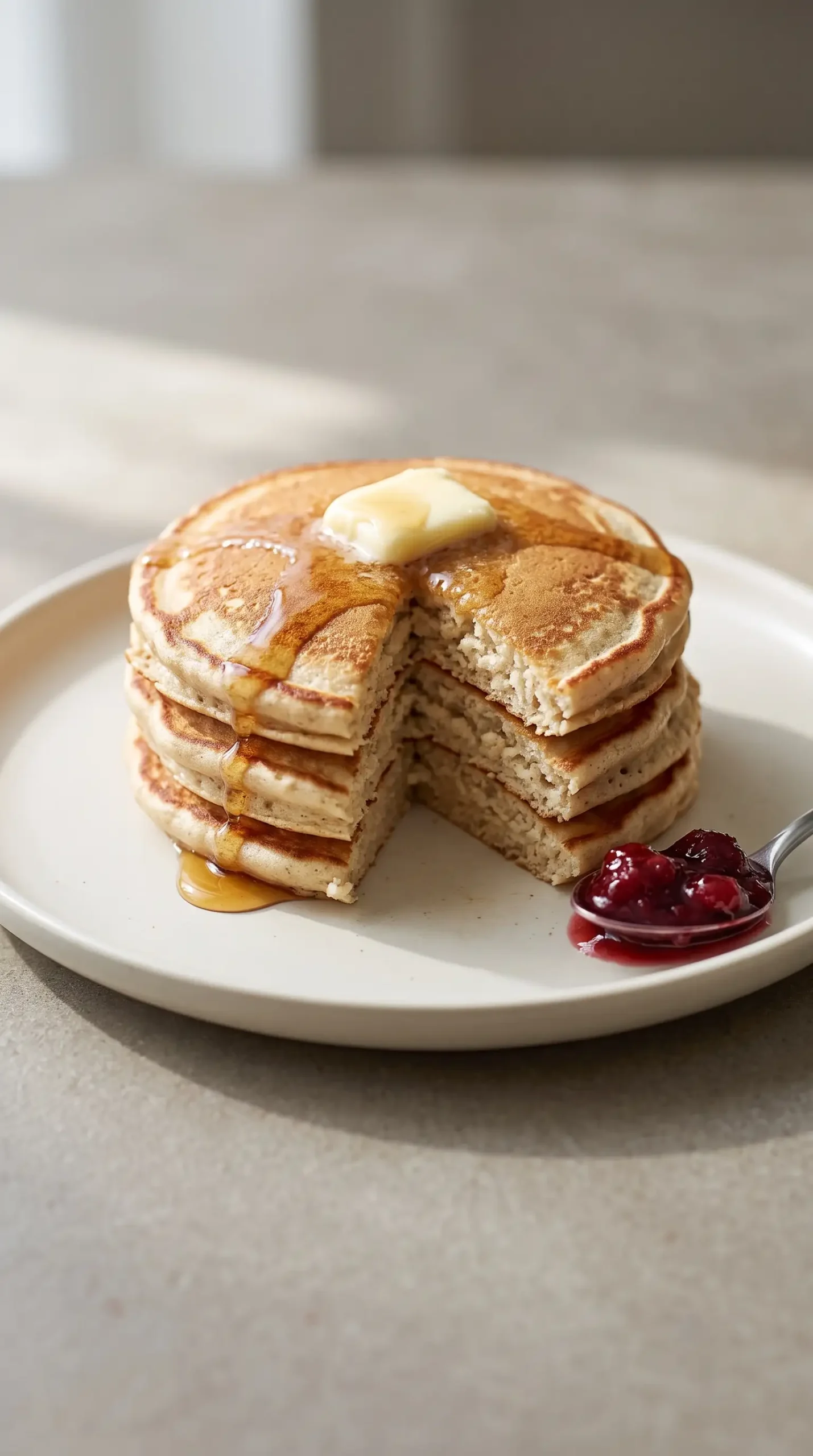
Freshly cooked pancakes are best served warm with toppings that match the meal. A simple pat of butter and maple syrup creates a familiar finish, while warm berry compote or sliced bananas with toasted pecans add different textures.
For a more complete plate, pair the stack with scrambled eggs and crisp bacon. Dinner servings can include a green salad or roasted vegetables when a lighter savory combination fits the occasion.
Simple presentation keeps attention on the tender texture. Stacking two or three pancakes with a topping and a small garnish creates an appealing family-style serving.
Storage Choices Keep Pancakes Ready Later
Stored pancakes remain useful for quick meals when handled carefully. An airtight container protects them at room temperature for short periods, while sealed refrigeration extends their freshness for later use.
- Short storage: Keep pancakes covered in an airtight container.
- Refrigerated storage: Use a sealed container and warm gently before serving.
- Freezer storage: Separate pancakes with parchment paper before placing them in a freezer-safe bag or container.
Frozen pancakes can be reheated directly from frozen in a 350°F oven for 8–12 minutes or warmed in a toaster oven. Separating layers before freezing prevents them from sticking together during storage.
Reheating Methods Protect Soft Pancake Texture
Reheating affects the texture of stored pancakes, so gentle warming works best. A toaster or oven can restore warmth while helping the outside avoid becoming overly soft.
Wrapping stacks in foil or covering them with a damp paper towel before brief reheating can help reduce drying. Long microwave heating may create a rubbery texture, especially when pancakes lose moisture.
Mistakes That Affect Dinner Pancakes Results
Several small preparation errors can change the finished texture of dinner pancakes. Avoiding these issues helps maintain the balance between tenderness and structure.
- Overmixed batter: Too much stirring after adding dry ingredients can create a denser pancake. Mix only until combined before folding in the whites.
- Incorrect egg whites: Underwhipped whites provide less lift, while overwhipped whites become harder to incorporate smoothly.
- Overheated griddle: Excessive heat can brown the surface before the middle finishes cooking.
- Heavy flour measurement: Packed flour can reduce the soft texture expected from the batter.
Correcting these problems starts with observing the batter and cooking surface. A lighter mixing approach, properly prepared whites, and steady heat create more consistent results.
Simple Variations for Whole Wheat Pancakes
Small changes can adjust the flavor of whole wheat pancakes without changing the main technique. Adding seasonal ingredients can bring extra moisture and flavor, as seen in butternut squash pancakes with pecans, while a tablespoon of honey or maple syrup can increase sweetness and cinnamon adds a warmer note.
Grated apple or blueberries can be folded into the batter for a fruit-based variation. A cup-for-cup gluten-free flour blend may also be used, though the liquid balance and texture may change.
Dinner Pancakes for Different Mealtime Pairings
The flexible flavor of dinner pancakes makes them suitable for several meal styles. Sweet toppings highlight the buttermilk character, while savory sides turn the pancakes into a more substantial dinner option.
| Pairing style | Suggested addition | Flavor direction |
|---|---|---|
| Classic breakfast | Butter and maple syrup | Sweet and familiar |
| Fruit-focused | Berry compote or bananas | Fresh and lightly sweet |
| Savory meal | Eggs, bacon, salad, or vegetables | Balanced and filling |
The same pancake base can move between morning and evening meals because it does not rely on an intensely sweet flavor profile. This versatility is one reason families can return to the recipe in different settings.
Preparing the Batter With Better Control
Good results come from managing the batter texture before cooking begins. Alternating the dry ingredients with buttermilk helps prevent unnecessary mixing while keeping the ingredients evenly distributed.
The yolk mixture should become smooth before the flour and liquid are added. Once the whites are folded in, the batter benefits from gentle handling so the air remains available during cooking.
These choices separate a dense pancake from the lighter texture expected from a well-prepared batch. The process rewards attention to small details instead of complicated equipment or extra ingredients.
Dinner Pancakes Stay Tender Through Careful Mixing
Dinner pancakes achieve their best texture when the flour, buttermilk, and egg whites work together without excessive handling. The combination creates a dependable pancake with enough structure for stacking and enough softness for comfortable eating.
The airy batter, whole wheat pastry flour, and buttermilk foundation define the character of the finished stack. Keeping the mixing gentle and the cooking surface controlled allows the classic family recipe to deliver consistent results.
Texture Questions and Answers for Dinner Pancakes
Why are my dinner pancakes dense?
Dense pancakes usually come from overmixing after the flour is added or from losing too much air during folding. Mixing only until combined and handling the whipped whites gently helps preserve a lighter texture.
Can I make the batter ahead for dinner pancakes?
The yolk-based batter can be prepared ahead, but the whipped egg whites should be added close to cooking time. Freshly folded whites provide the volume that gives the pancakes their airy texture.
What happens if I use regular whole wheat flour?
Regular whole wheat flour creates a denser pancake because it has a heavier structure. The flavor remains suitable, but the soft texture will differ from pancakes made with whole wheat pastry flour.
How can I keep dinner pancakes from burning?
Burning usually means the griddle temperature is too high. Lowering the heat slightly allows the pancakes to brown evenly while giving the center enough time to cook.
Can dinner pancakes be frozen?
Yes, cooked pancakes can be frozen with parchment paper between layers. Reheating them gently from frozen helps maintain their texture for later servings.
Dinner Pancakes with Buttermilk and Whipped Egg Whites
Dinner pancakes with buttermilk and whipped egg whites are light, airy pancakes with a tender texture and rich flavor. They are a quick, comforting choice when you want a satisfying homemade breakfast-style meal.
Ingredients
Method
Preparation
- Separate the eggs, keeping the yolks and whites in separate bowls.
- Whisk the egg yolks until smooth.
- Combine the whole wheat pastry flour, baking soda, salt, and sugar by sifting them together.
- Add the dry mixture to the egg yolks in alternating portions with the buttermilk, stirring until the batter is combined.
- Mix the melted butter into the batter.
- Beat the egg whites for about 1 minute until soft peaks develop.
- Carefully fold the whipped egg whites into the batter until evenly incorporated.
Cooking
- Warm a lightly greased griddle to 400°F / 205°C.
- Spoon batter onto the heated griddle and cook for about 3 minutes, until bubbles appear across the surface.
- Turn the pancakes over and cook for about 2 minutes more, until browned and fully set.
- Serve the pancakes immediately.
Notes
Gently fold the whipped egg whites into the batter to help maintain the pancakes' light and airy texture.