
From morning breakfasts to evening dinners, Tasteza Recipes offers quick and easy recipe ideas, featuring everything from wholesome meals to delicious desserts for every moment and every occasion.


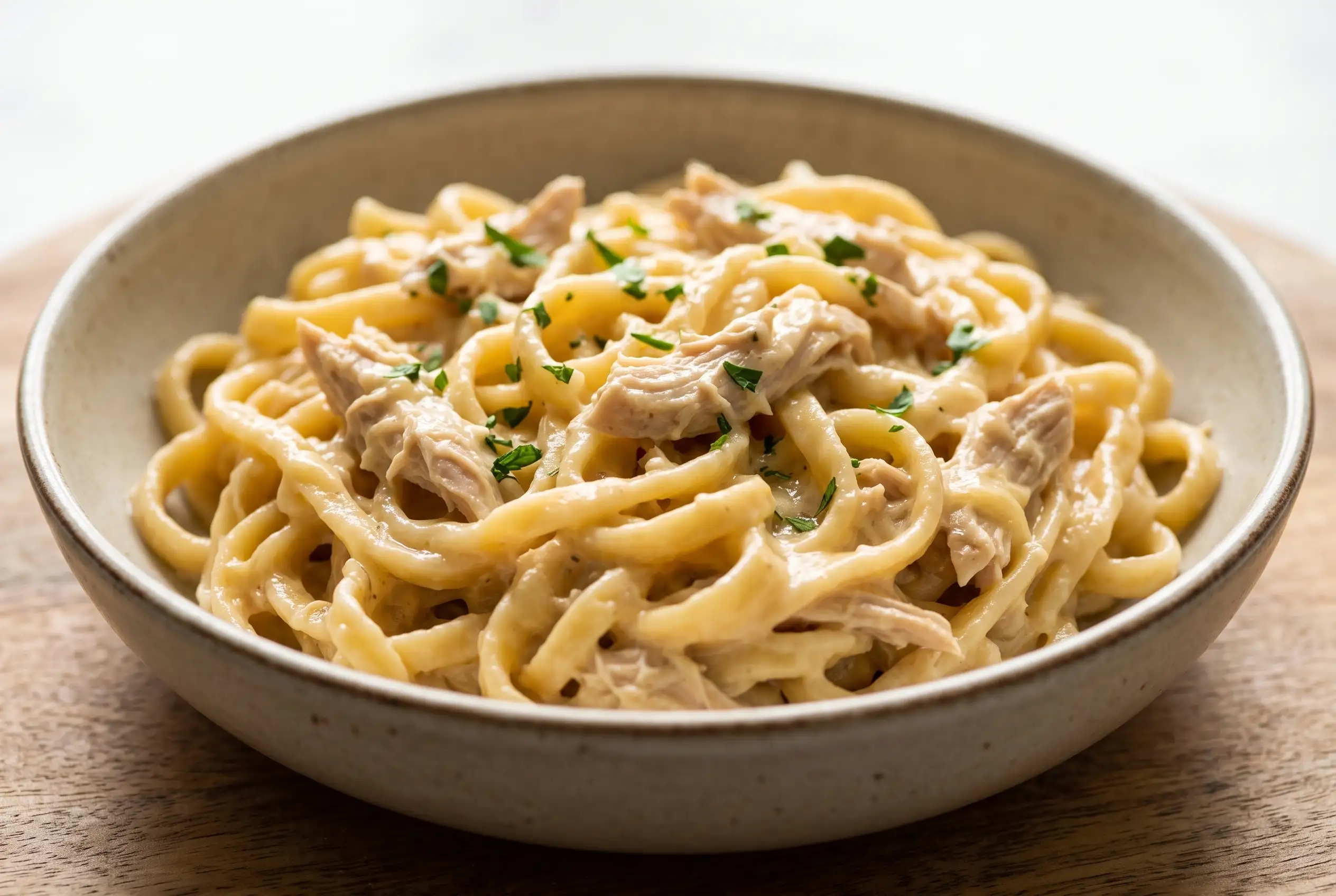
Cheesy chicken noodles are a comforting one-pot meal built around tender egg noodles, shredded chicken breast, and a creamy cheese sauce that comes together with familiar ingredients. The dish is designed for busy evenings because the noodles cook directly in broth, reducing extra cookware while creating a satisfying dinner with a homemade feel.
The combination of chewy noodles, savory chicken, and melted cheese makes cheesy chicken noodles a dependable choice for families, casual gatherings, and weeknight meals. A simple pan, a short ingredient list, and a carefully managed cooking process create a creamy texture without relying on a complicated sauce technique.
Why Cheesy Chicken Noodles Fit Busy Dinner Plans
Busy evenings benefit from a meal that keeps preparation straightforward. Cheesy chicken noodles bring together pantry-friendly staples, cooked chicken, and a single cooking vessel, making cleanup easier while still delivering a warm and filling dinner. The noodles absorb the seasoned broth as they cook, which helps build flavor throughout the dish.
The Texture Choices That Shape Cheesy Chicken Noodles
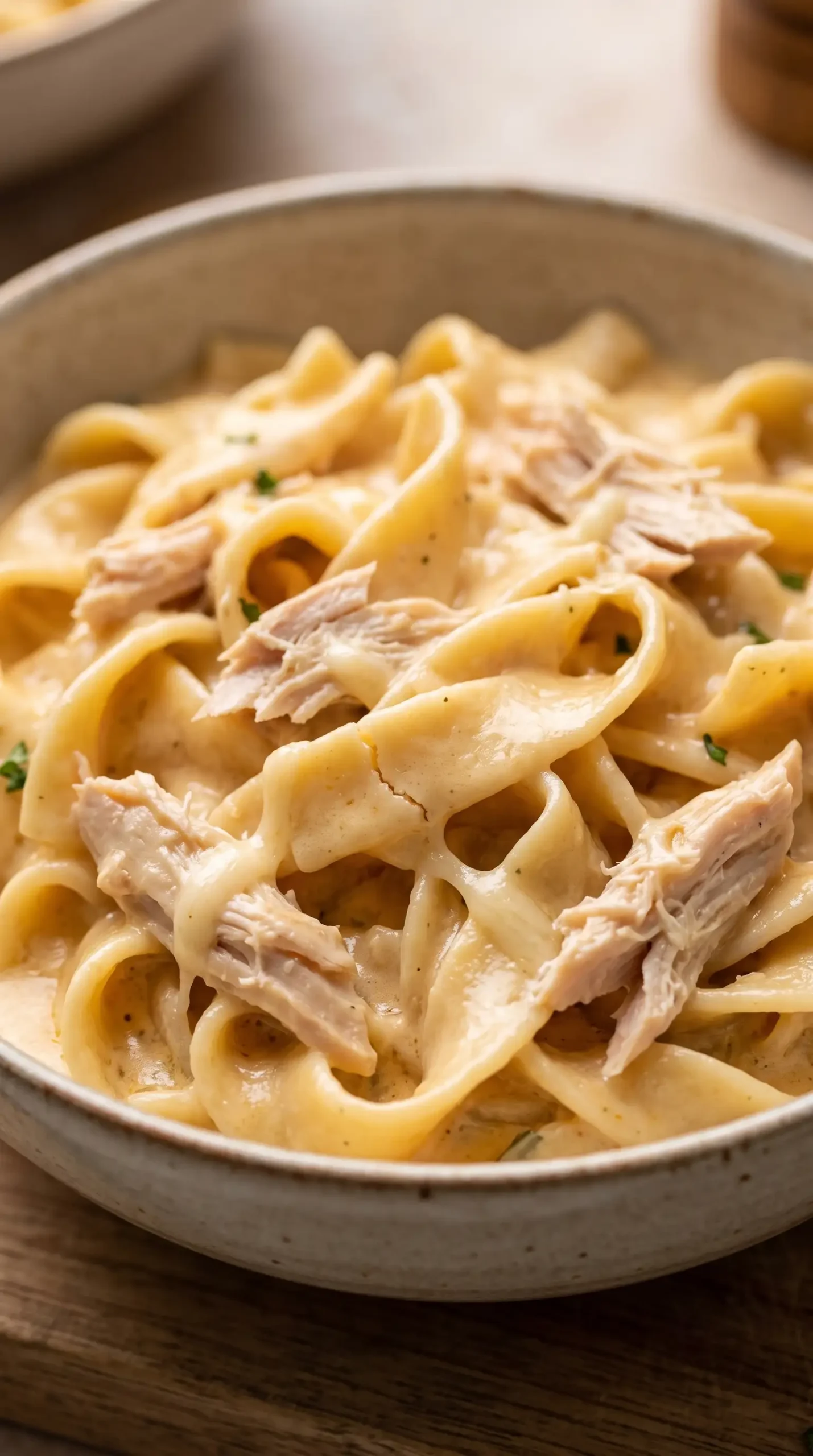
Thick homestyle egg noodles are a key part of the finished texture. Their doughy structure helps them stay pleasantly chewy while holding onto the creamy sauce created during cooking. Choosing a noodle with enough body prevents the dish from feeling flat or overly soft after it rests.
Shredded chicken breast keeps the meal balanced with a tender bite that blends easily into the noodles. Cooked chicken works especially well because it can be stirred in after the broth has thickened, allowing the meat to warm without requiring a long cooking period. Preparing shredded chicken recipes ahead of time can make assembly faster when a ready-to-use chicken component is needed.
Cheese selection also influences the sauce texture. A blend of Cheddar and Monterey Jack melts smoothly, while other mild melting cheeses can also work. Adding cheese gradually over low heat helps it combine with the milk and butter for an even coating across the noodles.
| Choice | Texture result | Best handling approach |
|---|---|---|
| Thick homestyle egg noodles | Chewy and sturdy | Cook until just barely tender so they continue softening in the sauce |
| Shredded chicken breast | Tender pieces throughout | Add after thickening to warm without unnecessary cooking |
| Melting cheeses | Creamy, smooth finish | Stir in gradually over low heat |
Broth and Slurry Control for a Creamy Finish
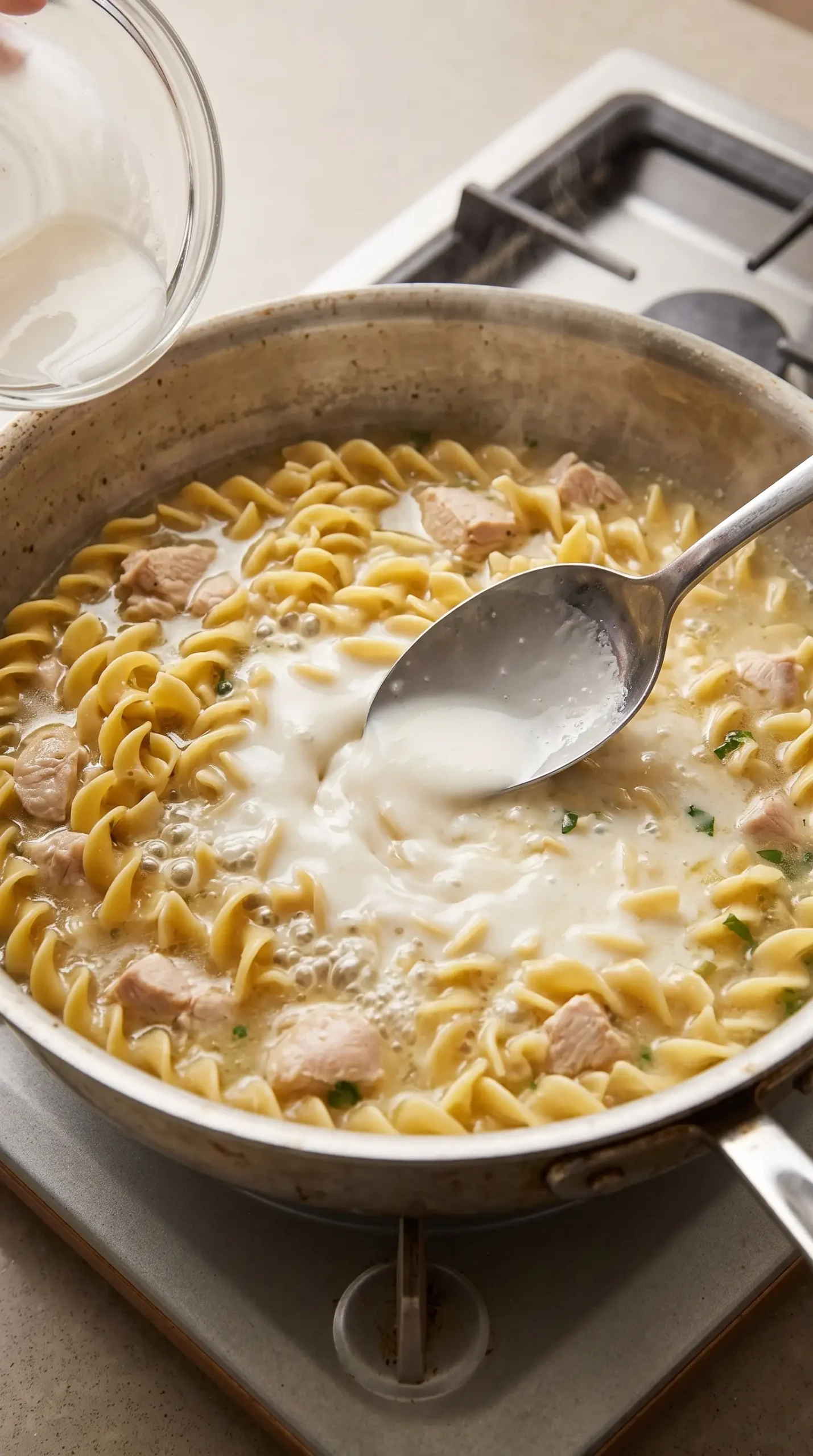
Careful liquid management creates the sauce that defines this creamy chicken noodles recipe. The noodles cook in chicken broth, and the cooking liquid remains in the pan instead of being discarded. Keeping that flavorful broth allows the cornstarch mixture to transform it into a thicker coating.
A smooth cornstarch slurry is an important cooking control point. Mixing the cornstarch with cold water first helps it dissolve evenly before it reaches the hot broth, a step explained in cornstarch slurry preparation. Once added, the mixture thickens the liquid quickly, creating a base ready for the dairy ingredients.
Resting the noodles away from heat gives the sauce time to develop its texture. Returning the pan to low heat for the cheese, butter, and milk stage helps maintain a smooth consistency and reduces the chance of the cheese becoming uneven.
Serving Ideas for Cheesy Chicken Noodle Dinner
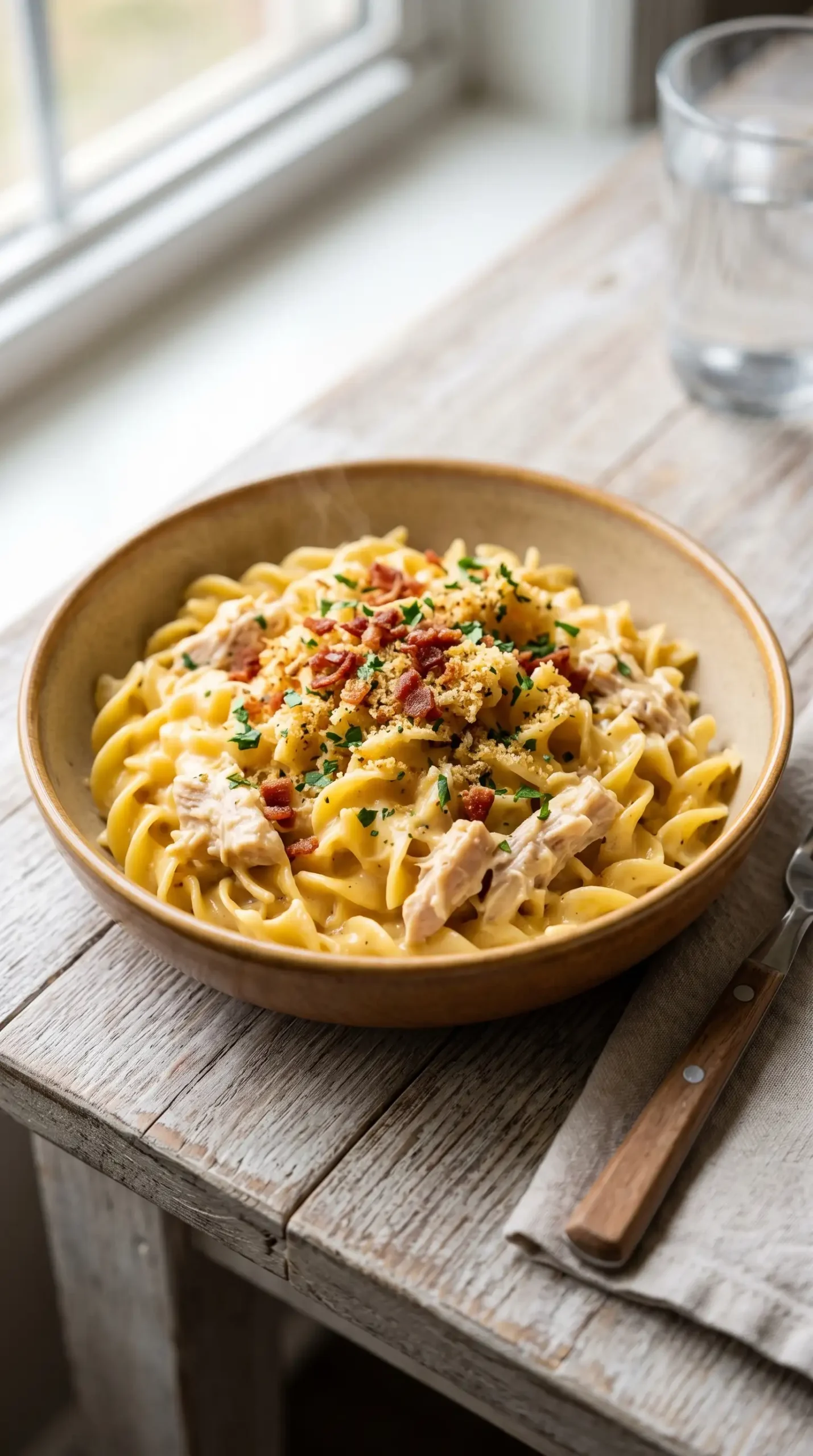
Hot servings of cheesy chicken noodle dinner pair well with simple sides such as a green salad or steamed vegetables. A topping of crumbled bacon adds contrast, while seasoned breadcrumbs offer a lighter crunchy finish. Chopped parsley or a squeeze of lemon can bring a fresh note to the rich sauce.
Storage and Reheating Cheesy Chicken Noodles Successfully
Leftovers should cool to room temperature before moving into an airtight container and refrigeration. Keeping the noodles properly stored helps maintain their quality, and refrigerated portions are best enjoyed within 3–4 days.
Frozen portions can be stored in freezer-safe containers for longer keeping. Dividing the noodles into serving sizes makes it easier to reheat only what is needed while preserving the remaining portions.
Gentle reheating protects the creamy sauce. Low heat on the stove works well, and adding a splash of milk or chicken broth can restore the smooth texture. High heat may cause the cheese sauce to separate, so slow warming and frequent stirring are better choices.
Mistakes That Can Ruin Cheesy Chicken Noodles Sauce
Overcooked noodles are one of the easiest ways to change the character of cheesy chicken noodles. The noodles should reach a just-barely-tender stage because they continue to soften while resting in the thickened sauce.
High heat during the cheese stage can also affect the final texture. A grainy sauce may appear when cheese is exposed to excessive heat, so lowering the temperature and stirring gently keeps the mixture smoother.
Small details during thickening make a noticeable difference. Keep these reminders in mind:
- Noodle timing: Taste the noodles near the lower end of cooking time so they do not become too soft.
- Slurry mixing: Fully dissolve cornstarch in cold water before adding it to the broth.
- Dairy handling: Add cheese and milk over low heat to support an even sauce.
- Resting period: Allow the pan to sit briefly so the broth can thicken before the dairy is mixed in.
Helpful Swaps for a Creamy Chicken Noodles Recipe
Flexible ingredient choices can adjust the dish while keeping the same cooking style. Reduced-fat cheese and milk create a lighter version, while cream cheese can provide a richer finish when stirred with shredded cheese. Quick-cooking vegetables such as spinach or peas can be added near the end for extra color.
Bacon and Breadcrumb Toppings for Cheesy Chicken Noodles
Crisp toppings give cheesy chicken noodles a different finishing texture without changing the creamy base. Crumbled bacon adds a savory crunch, while seasoned breadcrumbs create a lighter topping option. Both choices work best when sprinkled on just before serving so they keep their texture.
Preparing Cheesy Chicken Noodles Ahead
Advance preparation can make mealtime easier when the timing matters. The noodles and sauce base can be prepared ahead, but adding the cheese closer to serving helps maintain the freshest texture.
Party preparation works best when the creamy components are handled carefully. Keeping the dish warm without excessive heat prevents the cheese from losing its smooth consistency.
Flexible assembly also allows shortcuts. Rotisserie chicken can replace freshly prepared shredded chicken breast when a faster setup is needed, making the dish easier to bring together on a busy day.
Chicken Choices That Work in Cheesy Chicken Noodles
Different chicken approaches can fit different schedules while keeping the noodle base consistent.
| Chicken option | Preparation timing | Important consideration |
|---|---|---|
| Cooked shredded chicken breast | Added after the broth thickens | Keeps assembly simple and blends easily |
| Rotisserie chicken | Used as a faster shortcut | Provides convenient shredded meat |
| Raw chicken | Cooked earlier with the broth | Must cook thoroughly before serving |
Cheesy Chicken Noodles Stay Creamy When Heat Is Controlled
Tender noodles, thickened broth, and melted cheese come together best when each stage receives the right amount of attention. The sauce develops from the cooking liquid, cornstarch slurry, and dairy additions, so protecting that balance keeps the meal creamy.
Careful temperature choices leave cheesy chicken noodles with a smooth coating and tender chicken throughout. The one-pot approach succeeds because it combines simple ingredients with thoughtful handling of texture, thickening, and finishing steps.
Cheesy Chicken Noodles Questions and Answers About Storage, Texture, and Preparation
Can I use a different type of noodle?
Thick homestyle egg noodles provide the intended chewy texture, but other noodles that hold up well during cooking can be considered. The finished consistency may change depending on the noodle style and how much liquid it absorbs.
Why did my sauce stay thin?
A thin sauce can happen when the cornstarch slurry is skipped or when the noodles have not had enough resting time after thickening. Allowing the pan to sit away from heat gives the broth mixture more opportunity to set.
Can raw chicken be used in place of cooked chicken?
Raw chicken can be used if it is added earlier in the cooking process and cooked thoroughly with the broth. The timing needs to change because the chicken requires enough heat exposure before the noodles and finishing ingredients are ready.
How can I keep the cheese sauce smooth?
Adding cheese gradually over low heat helps maintain a smooth texture. Avoiding high temperatures during the dairy stage reduces the chance of a grainy or separated sauce.
What vegetables can be added?
Quick-cooking vegetables such as peas or spinach can be stirred in near the end of cooking. Adding them late keeps their texture and color more noticeable in the finished dish.
Cheesy Chicken Noodles One-Pot Dinner with Cheese Sauce
Cheesy Chicken Noodles is a creamy, comforting one-pot dinner with tender noodles, cheesy sauce, and hearty chicken flavor. It is an easy meal option for busy weeknights when you want a satisfying homemade dish.
Ingredients
Method
Cooking
- Warm olive oil in a pan over medium heat and cook the minced garlic until softened and fragrant.
- Pour in the chicken broth and bring it to a boil.
- Add the egg noodles and cook for 8-10 minutes until they are just barely tender.
- Combine the cornstarch and cold water, stirring until smooth to create a slurry.
- Mix the slurry into the boiling noodles and continue cooking for about 1 minute until the broth thickens.
- Take the pan off the heat and stir in the shredded chicken breast.
- Keep the noodles undrained and allow the mixture to rest for about 5 minutes so the sauce can thicken.
Finishing
- Place the pan back over low heat and add the butter, milk, and shredded cheese.
- Stir gently for 3-4 minutes until the cheese has melted and evenly coats the noodles.
- Finish with crumbled bacon or breadcrumbs on top and serve immediately.
Notes
Add the cheese while the pan is over low heat to help keep the sauce smooth and prevent a grainy texture.