
From morning breakfasts to evening dinners, Tasteza Recipes offers quick and easy recipe ideas, featuring everything from wholesome meals to delicious desserts for every moment and every occasion.


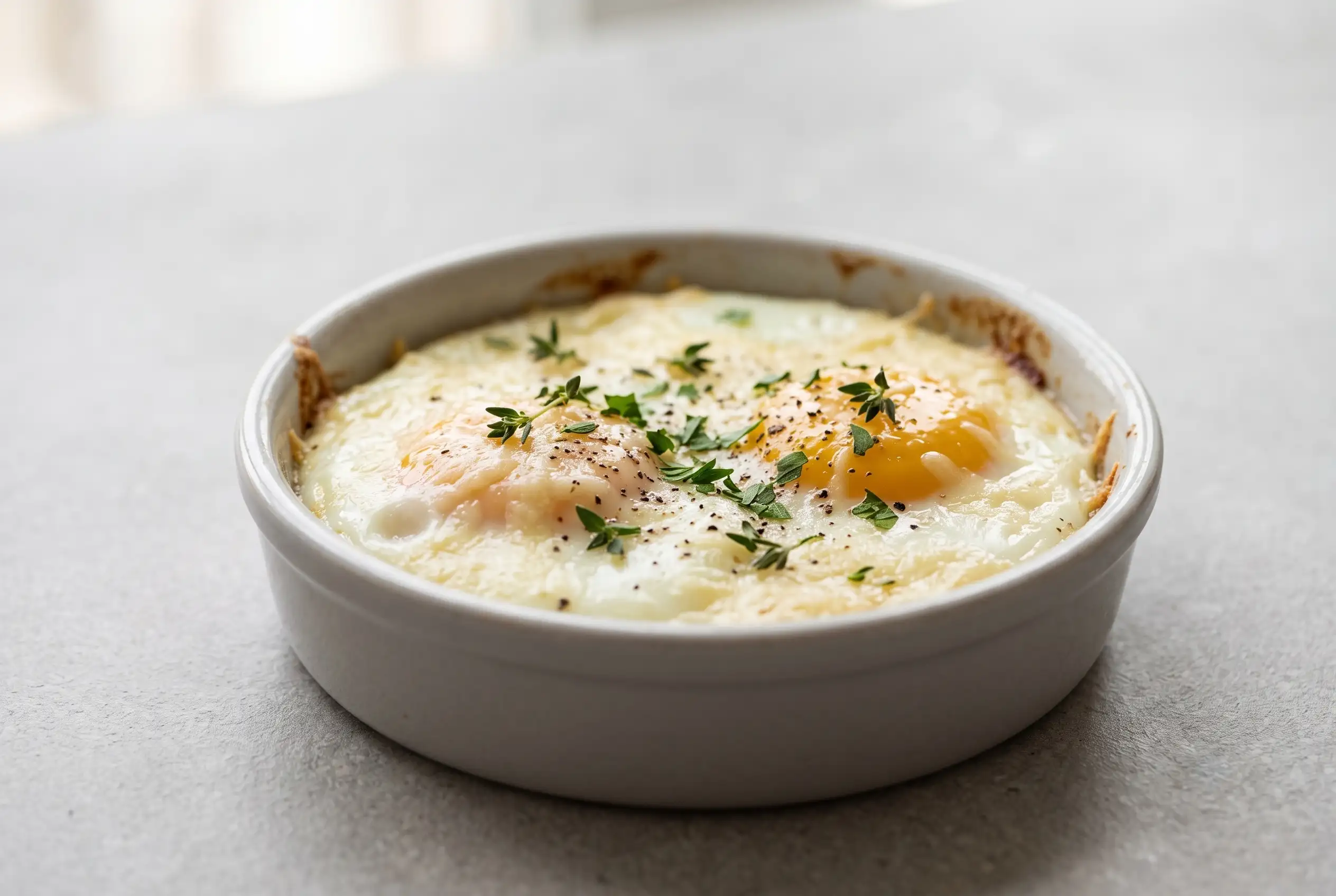
Baked eggs with parmesan bring together tender eggs, nutty cheese, and fragrant herbs in a small-format dish that feels special without requiring complicated preparation. Soft yolks, creamy edges, and individual ramekin portions make this baked eggs recipe in ramekins a useful choice for breakfast, brunch, or a light evening meal.
Restaurant-style texture comes from careful heat control and a short ingredient list. The shallot, rosemary, and thyme are warmed before meeting the eggs, allowing their flavor to spread through the ramekins while the oven handles the cooking.
Baked Eggs with Parmesan Create Balanced Comfort
Simple preparation gives baked eggs with parmesan their appeal. Buttered ramekins hold the eggs, cream, herbs, and cheese together so each serving develops a savory aroma and a rich finish. The separate portions also make the dish easy to present when serving multiple people.
Individual baking changes the experience compared with cooking eggs in one large pan. Each ramekin receives its own layer of cream and seasoning, helping the whites cook evenly while the yolks stay soft after the brief oven and broiler finish.
Many cooks choose creamy parmesan baked eggs because the method fits different occasions. The same warm dish works beside toast during a relaxed morning, as part of a brunch spread, or as a simple supper when a lighter meal is preferred.
Ramekin Size Shapes the Egg Texture
Shallow buttered ramekins are central to the texture of parmesan baked eggs in ramekins because they create a contained cooking space where the eggs can set gradually. Melting butter before adding the other components also helps prevent sticking and supports even browning.
The shape and depth of the baking vessel can influence how heat reaches the ingredients. shallow ramekin dishes are designed with a wider surface area, which can change cooking time compared with deeper vessels.
Parmesan, Herbs, and Aromatics Improve the Finish
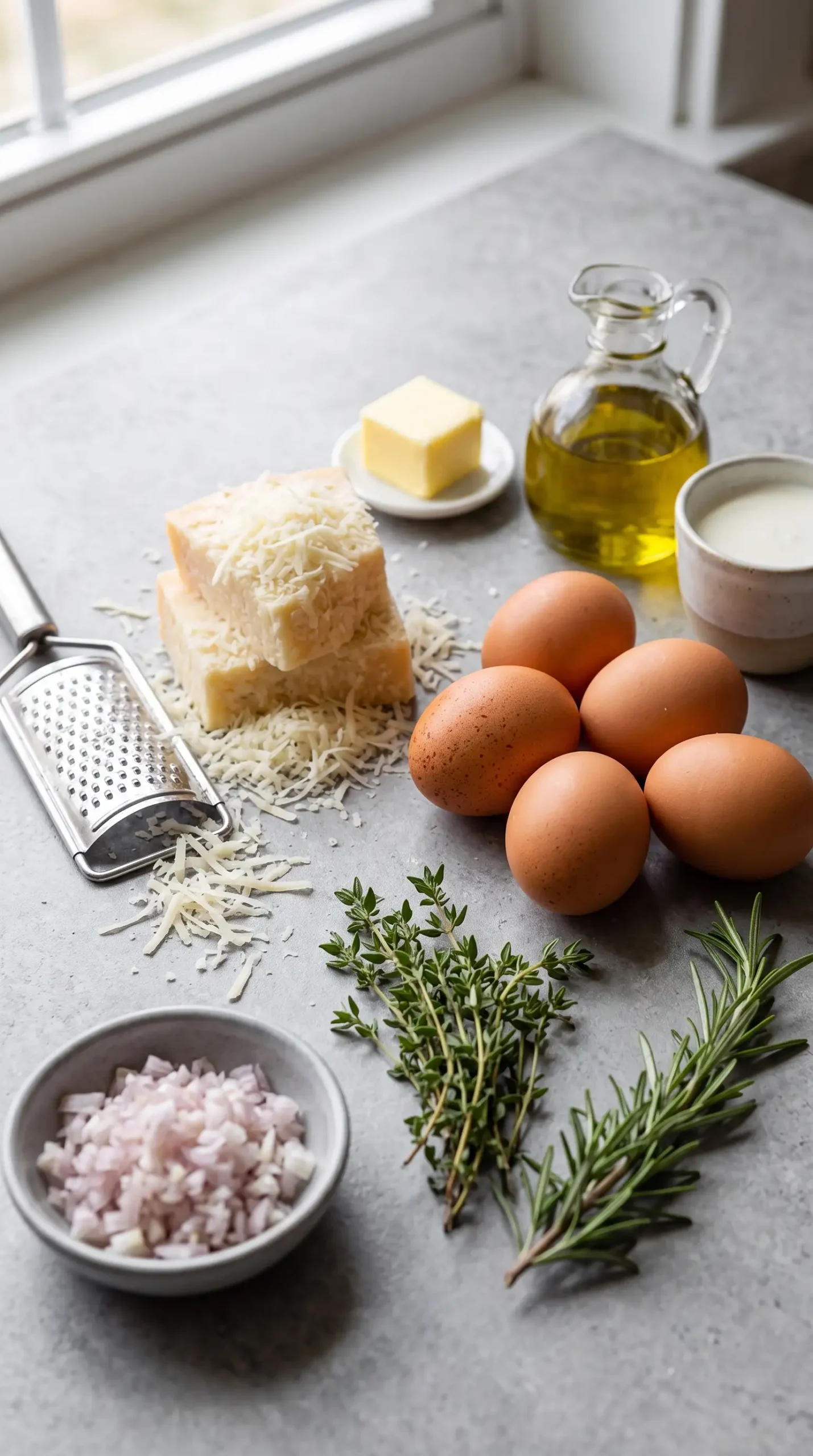
Freshly grated Parmesan is one of the details that defines the finished dish. Its nutty flavor pairs with the eggs and cream while adding a savory layer that is stronger and cleaner when grated just before use.
Fresh rosemary and thyme provide the herbal character, while minced shallot brings a gentle savory note. Warming these ingredients in butter and oil allows their flavors to blend before they are spread across the eggs.
Ingredient choices can influence the final texture and flavor without changing the basic approach. Heavy cream creates a silkier base, while whole milk can be used when a slightly lighter result is desired. Fresh herbs remain the best option when available, though dried herbs can work with adjusted amounts.
Advance Herb Preparation Keeps Cooking Smooth
Prepared herb and shallot mixtures can simplify the cooking process because the aromatic blend may be made ahead and refrigerated. Briefly warming the mixture before adding it to the ramekins helps restore its fragrance before baking.
Oven Control Protects Soft Yolks
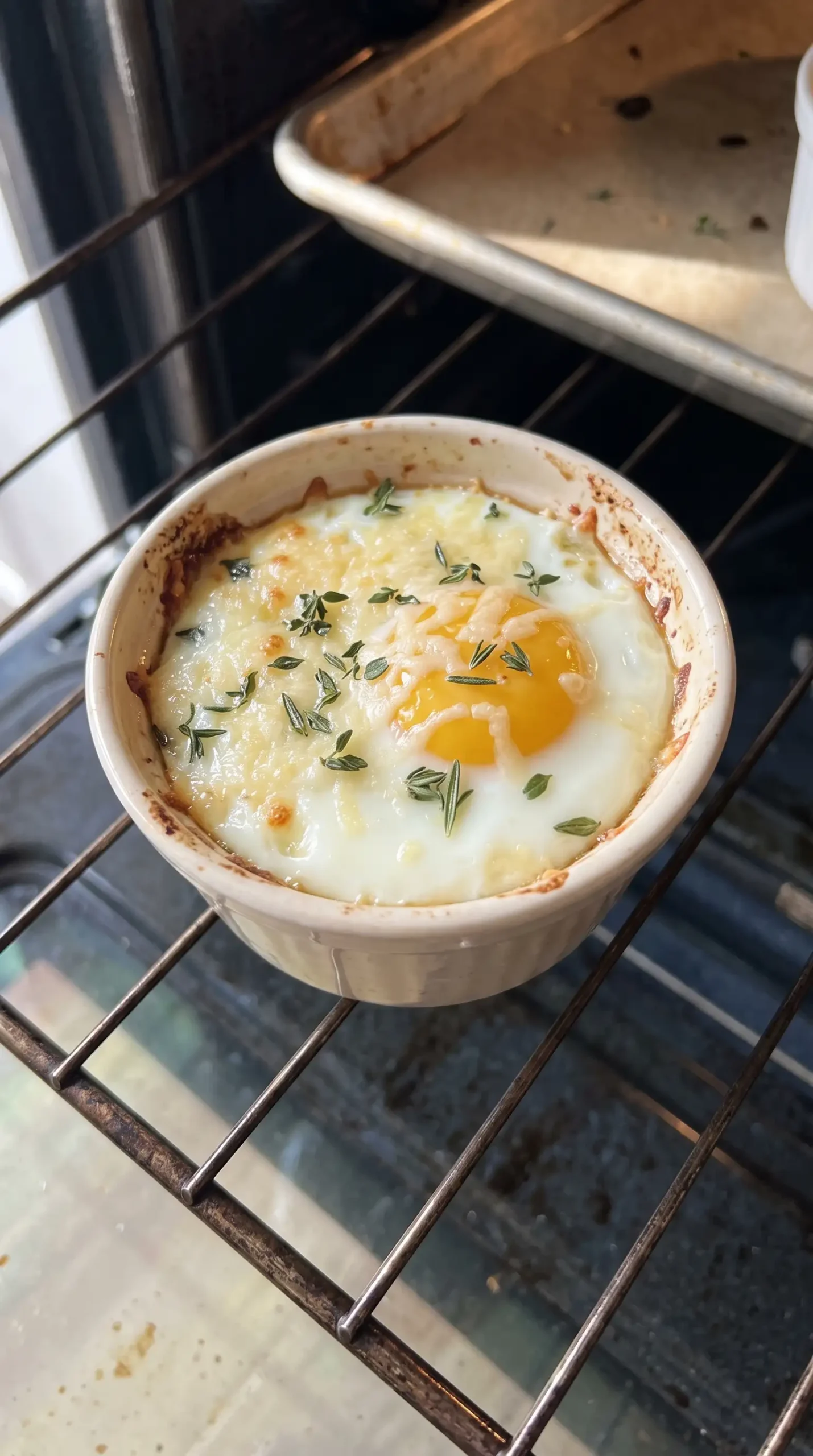
Temperature management determines whether baked eggs with parmesan reach the desired balance of set whites and tender yolks. The oven stage should cook the eggs through gently, while the short broil adds the finishing heat needed to set the surface.
Watching the broiler closely is important because the upper heat works quickly. A short extra moment can change the yolk texture, so visual checks during the final stage help preserve the soft center many cooks want.
Resting the ramekins briefly after baking allows the heat to settle before serving. The short wait also makes the eggs easier to handle and gives the yolks time to reach a pleasant consistency.
Warm Ramekins Make Serving More Appealing
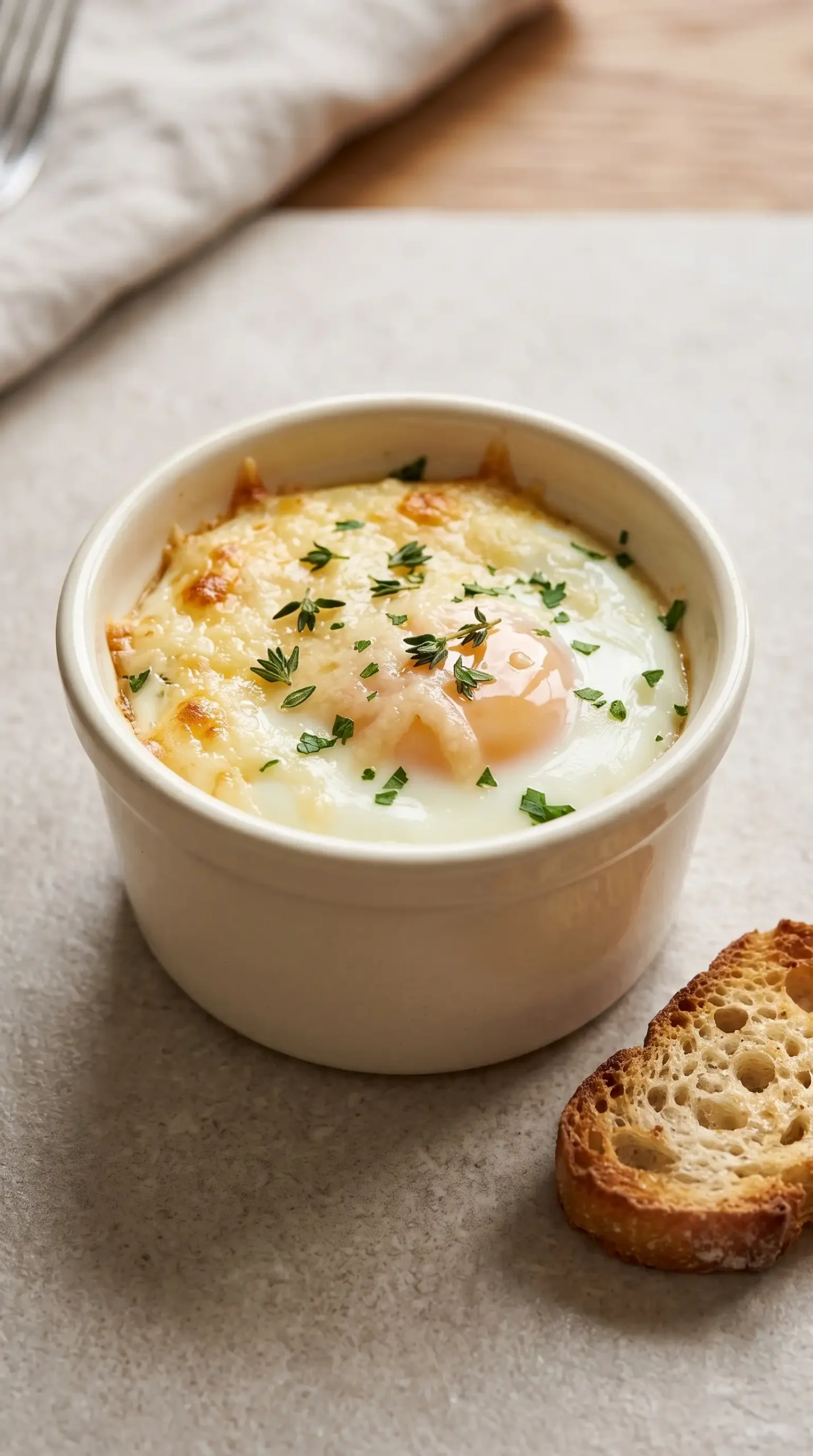
Freshly baked ramekins can be served directly at the table or loosened and moved onto small plates. Toasted sourdough or homemade whole wheat bread provides a way to enjoy the creamy yolks, while additions such as a green salad, roasted tomatoes, or avocado create a fuller meal.
Storage Keeps Baked Eggs with Parmesan Ready
Leftover baked eggs with parmesan are best transferred to an airtight container and refrigerated. Keeping portions covered helps maintain their texture during short storage, and the dish is best enjoyed within the recommended refrigerated window.
Gentle reheating helps reduce the chance of drying the eggs. A low oven or reduced microwave power allows the portions to warm gradually, and adding a small amount of cream before reheating can help protect the creamy texture.
Freezing is not a good choice for these eggs because the texture of both the eggs and cream changes after freezing. Room-temperature storage should also be limited, with leftovers returned to refrigeration promptly.
Mistakes That Affect Parmesan Baked Eggs in Ramekins
Over-broiling is one of the easiest ways to change the texture of parmesan baked eggs in ramekins. The whites may become firmer than intended and the yolks can lose their soft quality. Staying nearby during the broil stage helps avoid this issue.
Insufficient butter coverage can create sticking and uneven cooking. Coating the ramekins well before adding the eggs gives the portions a smoother release and supports the intended presentation.
Common errors and their solutions can be handled with a few simple checks:
- Dry texture: Reduce broiling time and watch the yolks during the final stage.
- Sticking eggs: Butter the bottom and sides of each ramekin before filling.
- Uneven results: Leave space between ramekins so heat can circulate.
- Overly loose whites: Confirm that the whites are set before removing the dish.
Creative Twists Keep Creamy Parmesan Baked Eggs Fresh
Personal touches can change the flavor profile while keeping the same baking style. Chives or basil may replace the original herbs for a brighter finish, while tomato jam, sun-dried tomatoes, smoked paprika, or cooked bacon can introduce different savory notes.
Egg Finish Choices for Baked Eggs with Parmesan
The amount of cooking time and finishing heat changes the egg texture. Use the visual cues below when deciding how you want the ramekins to finish.
| Finish | White Appearance | Yolk Result |
|---|---|---|
| Soft-centered | Set around the edges | Still tender and slightly jiggly |
| Longer baked | More firmly set throughout | Less soft with a more solid texture |
| Broiled briefly | Surface becomes set | Remains soft when timing is watched |
Baked Eggs with Parmesan Deliver a Reliable Finish
Careful heat, well-buttered ramekins, and balanced seasoning define the success of baked eggs with parmesan. The dish works because each element has a clear role: aromatics build flavor, cream supports richness, and controlled baking preserves the contrast between firm whites and soft yolks.
Individual portions make the cooking process practical while keeping the presentation inviting. When the ramekins are watched closely during the short broiling stage, the result is a warm egg dish with a creamy Parmesan finish and fresh herb character.
Soft Yolks and Storage Questions Answered
Can baked eggs with soft yolks be served safely?
Soft yolks can be enjoyed when eggs are fresh and handled properly. Cooks who prefer fully set yolks can extend the baking time slightly until the centers reach their preferred texture.
Can I replace heavy cream in the ramekins?
Whole milk can replace heavy cream when needed, though the finished eggs will have a less rich texture because cream provides a silkier consistency.
How can I tell when the eggs are ready?
Ready eggs have set whites with yolks that still show a slight jiggle. The edges should appear cooked while the centers remain softer after the brief broiling stage.
Can I prepare the aromatic mixture before baking day?
The shallot, rosemary, and thyme mixture can be prepared ahead and refrigerated. Warm it briefly before use so the flavors return before being added to the eggs.
How do I adjust the recipe for more servings?
Additional ramekins can be used when making more portions. Keep them on the same rack when possible and check the timing because oven space can affect heat circulation.
Baked Eggs with Parmesan in Ramekins with Thyme and Herbs
Baked Eggs with Parmesan in Ramekins is a creamy, savory breakfast dish with tender baked eggs, fresh herbs, and a rich Parmesan flavor. It is an easy, comforting recipe perfect for a cozy morning meal or gathering.
Ingredients
Method
Preparation
- Melt 1/2 tablespoon butter with the oil in a small saucepan.
- Add the minced shallot and cook for 3 to 5 minutes until softened and fragrant.
- Mix in the rosemary, thyme, and sea salt, then take the herb mixture off the heat.
Baking
- Preheat the oven to 375°F / 190°C.
- Place 1 teaspoon butter into the bottom of each of three ramekins and warm the ramekins in the oven until the butter melts.
- Take the ramekins out of the oven and add 1 teaspoon heavy cream to each one.
- Crack 2 eggs into each ramekin, keeping the yolks whole.
- Top the eggs with the shallot and herb mixture, then sprinkle with freshly grated Parmesan cheese.
- Bake the ramekins for about 7 minutes until the egg whites start to set.
- Broil the ramekins for 1 to 2 minutes until the whites are fully set while the yolks remain soft.
Serving
- Allow the baked eggs to rest for 3 to 5 minutes, then season with salt and pepper before serving.
Notes
Serve the baked eggs warm with toasted bread for dipping.