
From morning breakfasts to evening dinners, Tasteza Recipes offers quick and easy recipe ideas, featuring everything from wholesome meals to delicious desserts for every moment and every occasion.


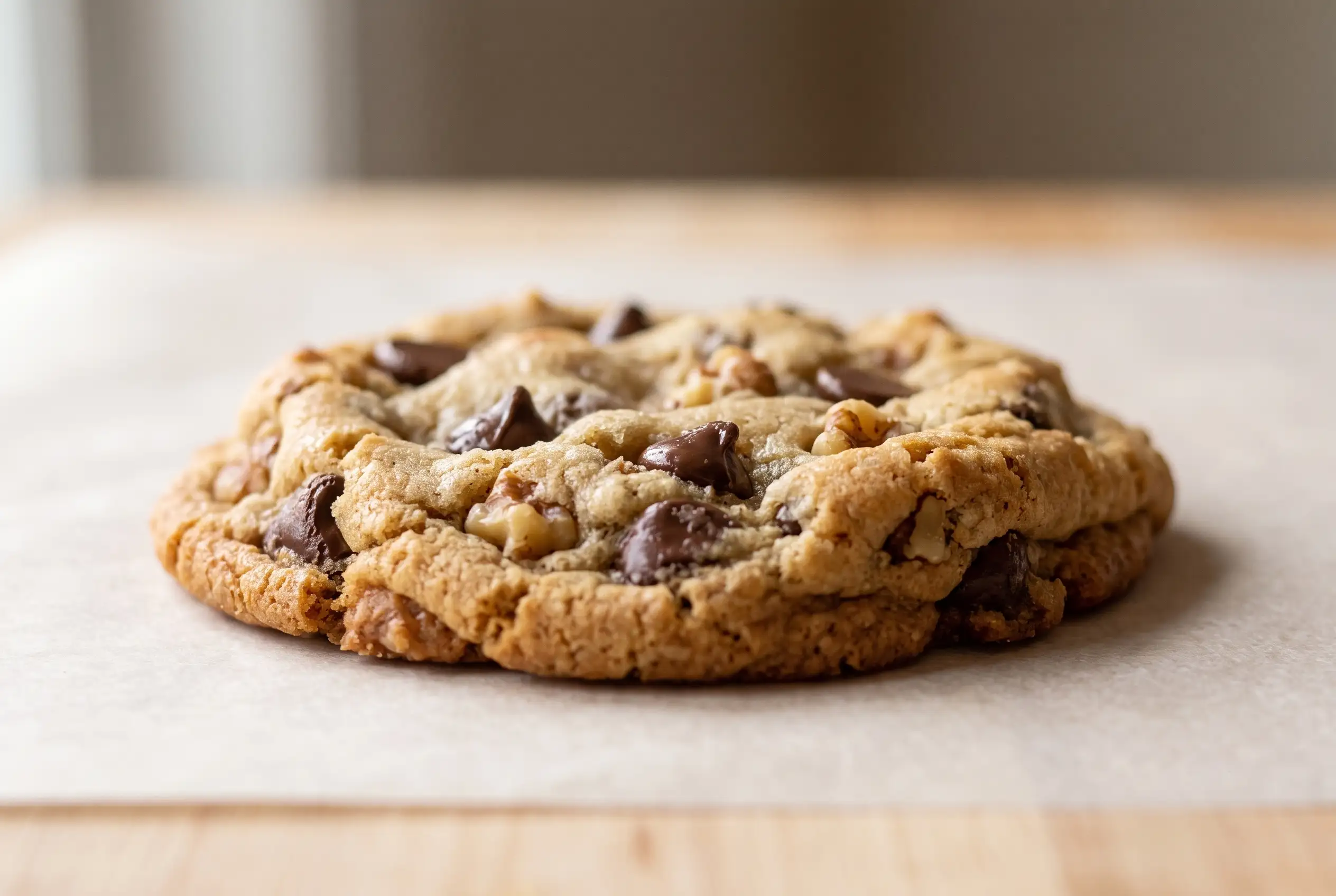
toll house chocolate chip cookies bring together crisp edges, soft centers, and chocolate-filled bites using a familiar homemade cookie approach. The Nestlé Toll House cookie recipe remains popular because it uses everyday baking staples and a straightforward mixing process that works for casual batches, lunchbox treats, and desserts.
Classic chocolate chip cookies depend on small choices during preparation. Properly softened butter, accurate flour measurement, and careful mixing help create the texture associated with these cookies without making the dough difficult to handle.
Why Nestlé Toll House Chocolate Chip Cookies Stay Reliable
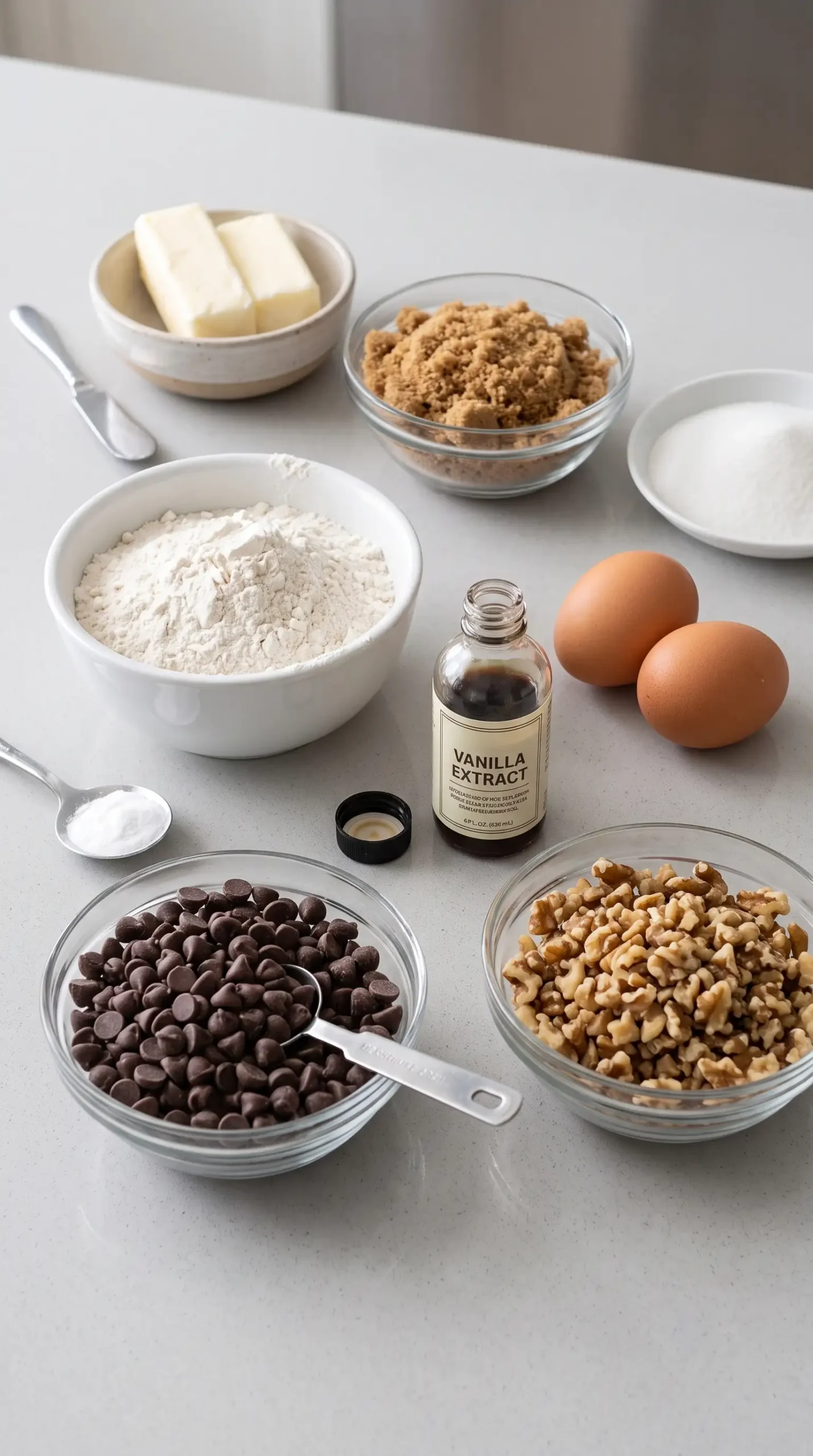
Simple pantry ingredients make these cookies practical for regular baking. The combination of flour, butter, sugars, eggs, vanilla, and semi-sweet chocolate morsels creates a dough that can be prepared without complicated techniques or specialty equipment.
Home bakers often choose the Nestlé Toll House cookie recipe when they need a dependable batch for sharing or keeping on hand. The dough structure supports crisp edges while maintaining softer centers when baked correctly.
Flexible additions also allow the cookies to change with the occasion. Chopped nuts, white chocolate chips, or dried fruit can be folded into the dough while keeping the basic cookie style recognizable.
| Cookie element | Purpose in baking | Result in finished cookies |
|---|---|---|
| Brown sugar | Adds moisture and sweetness | Soft texture and deeper flavor |
| Butter and creaming | Creates air in the dough | Lighter texture with crisp edges |
| Semi-sweet chocolate morsels | Add chocolate flavor and structure | Chocolate pieces that hold their shape |
Butter Sugar Creaming Builds the Right Cookie Texture
Softened butter combined with white sugar and brown sugar forms the foundation of the dough. The creaming method helps incorporate air into the butter mixture, which supports the texture and structure that develop during baking.
Room-temperature ingredients blend more evenly than cold ingredients. Soft butter should still hold its shape because melted butter can change how the dough spreads on the baking sheet.
Vanilla and eggs are added after the butter mixture is prepared. Adding eggs one at a time helps the mixture combine smoothly before the dry ingredients are introduced.
Flour and Chocolate Choices Shape the Dough
Ingredient balance has a major effect on homemade chocolate chip cookies. All-purpose flour provides structure, while baking soda supports the spread and texture expected from these cookies.
Nestlé semi-sweet chocolate morsels are folded in after the dough comes together. Adding them last keeps the chocolate pieces distributed throughout the dough instead of blending into the mixture.
- Flour measurement: Spoon flour into the measuring cup and level it to avoid adding too much.
- Chocolate additions: Keep optional mix-ins balanced so the dough maintains its intended structure.
- Salt balance: Adjust added salt when using salted butter to maintain the flavor balance.
Toll House Chocolate Chip Cookies Baking Controls That Matter
Accurate baking control starts before the cookies enter the oven. The dough should be portioned consistently so each cookie receives similar heat exposure and finishes at the same time.
Using a cookie scoop or spoon to create rounded portions helps maintain predictable results. Uneven dough portions can cause some cookies to overbake while others remain underdone.
Oven placement also affects consistency. A middle rack position supports even heat distribution, and rotating the baking sheet can help when an oven has hot spots.
Portioning and Baking Time Decisions
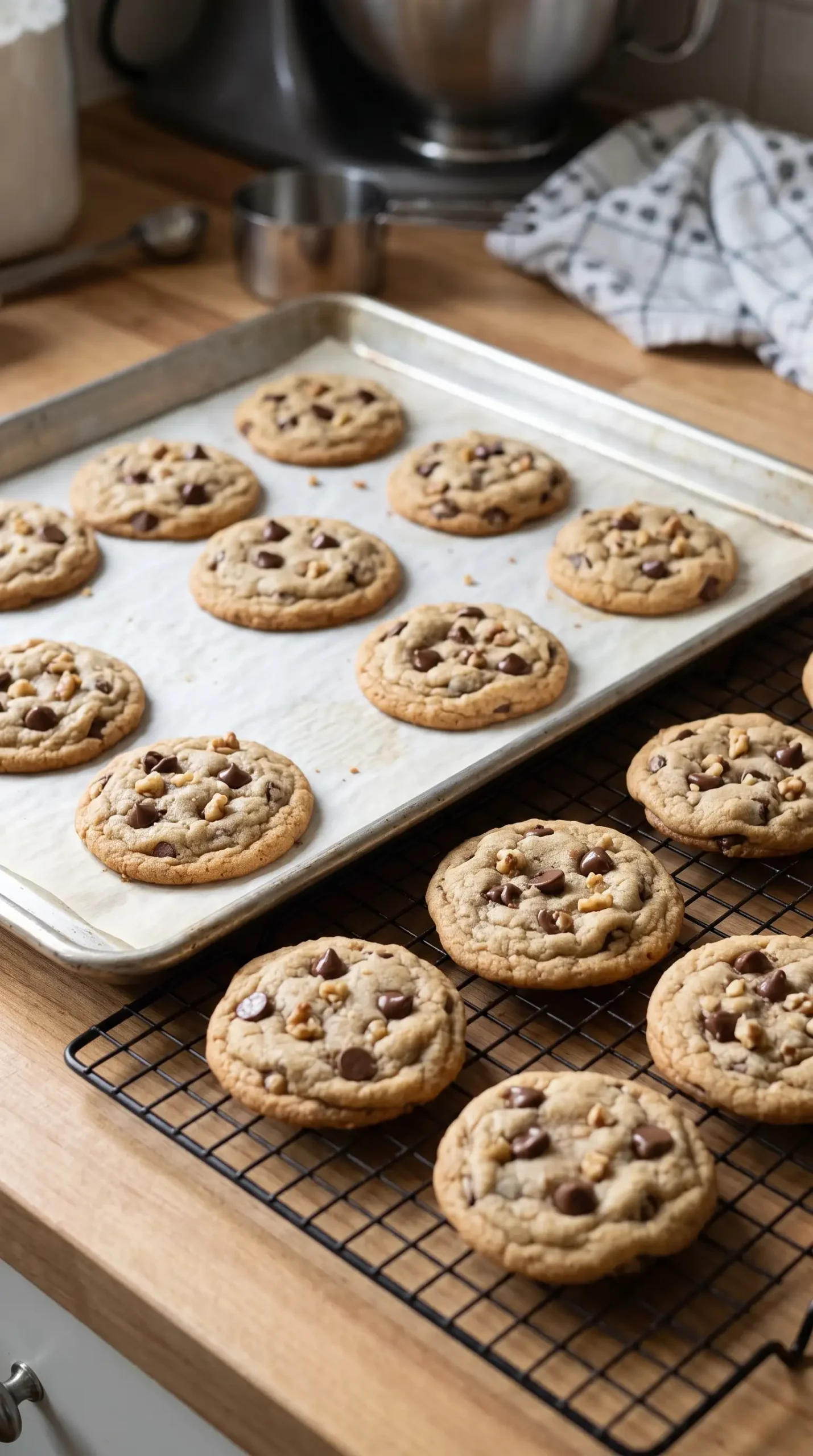
Rounded tablespoons of dough create practical serving sizes for these cookies. The edges should become golden while the centers remain soft when removed from the oven.
Cooling on the baking sheet for a few minutes allows the cookies to finish setting before they move to a wire rack. Moving them too quickly can affect their structure while they are still delicate.
Serving Classic Chocolate Chip Cookies
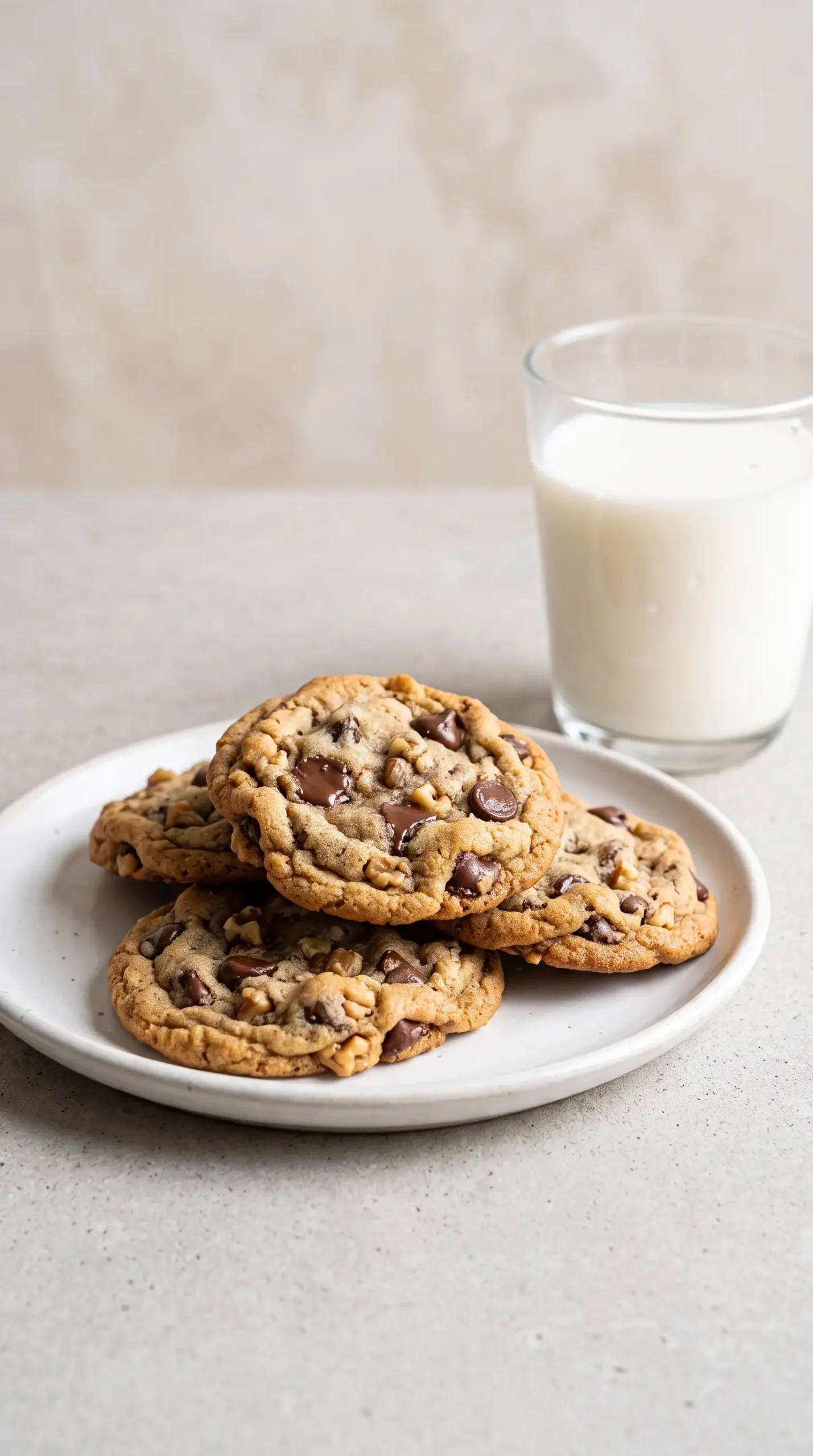
Warm cookies highlight the contrast between crisp edges and tender centers. They pair naturally with cold milk, coffee, or vanilla ice cream for a simple dessert serving.
For gatherings, arrange cookies on a platter with optional toppings such as extra chocolate morsels or nuts. Small decorations like powdered sugar or melted white chocolate drizzle can add variety without changing the cookie base.
Storage Choices Keep Homemade Chocolate Chip Cookies Fresh
Cool cookies should be stored in an airtight container at room temperature. A small piece of bread or apple can help maintain moisture and slow staling during storage.
Refrigeration is not recommended because cold air can dry the cookies and affect their texture. Keeping them sealed at room temperature preserves the balance between crisp edges and soft centers.
Freezing Dough and Baked Cookies
Frozen cookie dough makes it easier to prepare future batches. Portion the dough onto a tray first, then move the frozen portions into a sealed freezer bag.
Baked cookies can also be frozen in a sealed bag for longer storage. Allowing them to thaw at room temperature restores their ready-to-eat texture.
- Freeze portions: Shape dough before freezing so individual cookies are ready for baking.
- Protect texture: Use sealed storage to limit freezer exposure.
- Adjust baking: Add a little extra baking time when cooking dough directly from frozen.
Toll House Chocolate Chip Cookies Mistakes That Change Results
Overmeasuring flour is one of the easiest ways to alter these cookies. Too much flour can create a dry or cakier texture, so careful measuring keeps the dough balanced.
Overmixing after adding flour can also affect the finished cookies. Mix only until the dry ingredients disappear to avoid developing a tougher texture.
Overbaking changes the soft center that many bakers want from these cookies. Removing them when the edges are golden and centers still appear soft allows them to firm as they cool.
Adaptations With Nuts and Other Mix-Ins
Optional ingredients provide different textures while keeping the cookie foundation intact. Chopped nuts add crunch, while variations such as Monster Cookies Peanut Butter Oatmeal Cookies incorporate oats, chocolate pieces, and additional mix-ins for a heartier cookie texture.
Replacing part of the white sugar with additional brown sugar can create a chewier texture. A brown-butter variation can also add a nutty note when the butter is browned and cooled before mixing.
Cookie Texture Adjustments for Different Preferences
Small changes in ingredients and handling influence the finished cookie. A slightly shorter bake keeps the center softer, while additional baking creates a firmer texture.
Chilling dough for 15 to 30 minutes can help reduce spreading in a warm kitchen. The brief rest gives the dough a firmer consistency before baking.
Baking Tools That Support Consistency
Basic tools such as mixing bowls, baking sheets, and a cookie scoop make the preparation easier to repeat. Even portions and careful measurements support consistent batches.
A wire rack is useful after baking because it allows cookies to cool without trapping excess heat underneath. This helps maintain the texture developed during baking.
How Nestlé Toll House Chocolate Chip Cookies Fit Different Occasions
These cookies work well for everyday desserts, packed snacks, and gift boxes. Their familiar flavor makes them easy to serve without requiring additional preparation.
When gifting cookies, parchment-lined containers help separate layers and reduce sticking. Room-temperature storage keeps the cookies ready for serving.
The Texture Balance Defines Nestlé Toll House Chocolate Chip Cookies
Nestlé Toll House Chocolate Chip Cookies depend on the relationship between careful mixing, accurate measurements, and controlled baking. Crisp edges and soft centers come from respecting how each stage affects the dough.
The finished cookies show why small baking decisions matter. Keeping flour measurements accurate, avoiding excess mixing, and watching the oven closely creates the classic chocolate chip cookie texture associated with this style.
Common Questions About Cookie Texture and Baking Results
What makes these cookies chewy instead of crunchy?
A softer center comes from maintaining moisture in the dough and avoiding excessive baking. Brown sugar and slightly shorter baking time help keep the centers tender while the edges develop structure.
Can salted butter be used for Nestlé Toll House Chocolate Chip Cookies?
Salted butter can be used, but the added salt in the dough should be adjusted to keep the overall flavor balanced. The butter should remain softened instead of melted for the intended texture.
Should the dough always be chilled before baking?
Chilling is optional and mainly useful when the dough feels too soft or the kitchen is warm. A short chill can help limit spreading while keeping the preparation practical.
Why did my cookies become cakey?
Cakey cookies can result from too much flour or excessive mixing after flour is added. Measuring carefully and stopping once the dry ingredients are combined helps maintain a more classic cookie texture.
Can the chocolate morsels be replaced?
Chopped chocolate bars or other chips can be used as alternatives. Semi-sweet chocolate morsels are designed to maintain their shape during baking, which creates the familiar chocolate-studded appearance.
Nestlé Toll House Chocolate Chip Cookies with Nuts
Nestlé Toll House chocolate chip cookies with nuts are classic homemade cookies with a soft, chewy center, golden edges, and rich chocolate-nut flavor. They are an easy dessert choice for gatherings, cookie trays, or everyday baking.
Ingredients
Method
Preparation
- Preheat the oven to 375°F / 190°C.
- Beat the softened butter, white sugar, and brown sugar together in a mixing bowl until the mixture becomes light and fluffy.
- Mix in the vanilla extract, then add the eggs individually, blending well after each one.
- Combine the flour, baking soda, and salt in a separate bowl.
- Add the dry mixture gradually to the butter mixture and stir just until combined.
- Gently mix in the semi-sweet chocolate morsels and chopped nuts until evenly spread throughout the dough.
Baking
- Place rounded tablespoons of cookie dough onto ungreased baking sheets.
- Bake for 9-12 minutes, until the cookie edges are golden and the centers stay soft.
- Leave the cookies on the baking sheet for 2-3 minutes, then move them to a wire rack to cool completely.
Notes
If the dough spreads too much in a warm kitchen, chill it for 15-30 minutes before baking.