
From morning breakfasts to evening dinners, Tasteza Recipes offers quick and easy recipe ideas, featuring everything from wholesome meals to delicious desserts for every moment and every occasion.


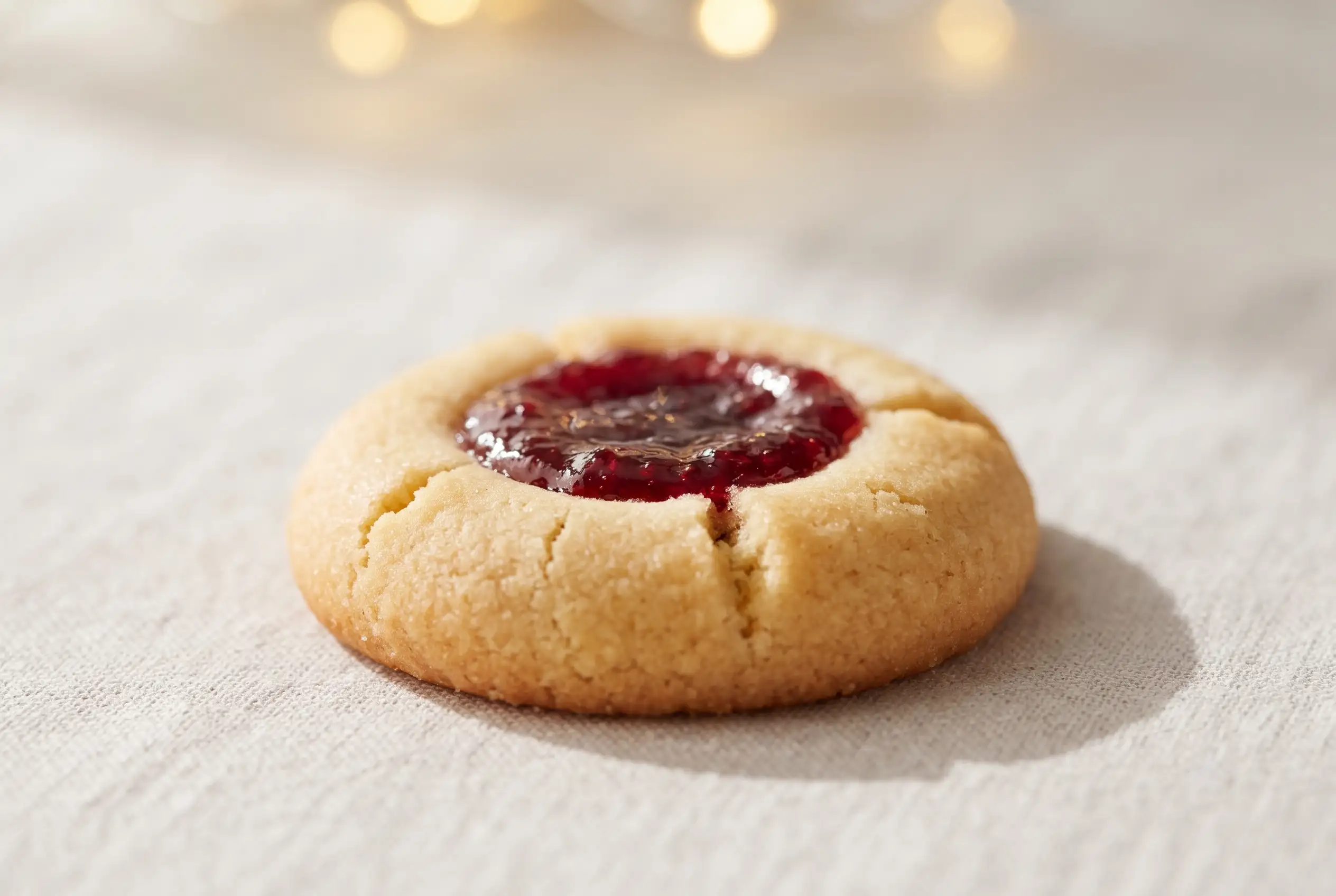
Thumbprint cookies are a classic choice for bakers who want a buttery, jam filled cookie with a tender crumb and a bright center. The simple shape, familiar ingredients, and dependable texture make these cookies useful for holiday trays, afternoon treats, and homemade gifts. A well-made batch has lightly crisp edges, a soft middle, and a neat pocket of jam that stays in place.
Many bakers turn to easy thumbprint cookies recipe ideas because the dough relies on pantry staples and a straightforward preparation style. The combination of softened butter, sugar, egg yolks, flour, and preserves creates a cookie that feels special without requiring complicated techniques.
Why Thumbprint Cookies Belong on Every Cookie Tray
Small cookies with colorful centers add variety to dessert displays because each piece offers a different filling option. Raspberry, apricot, and strawberry preserves create traditional combinations, while other fillings can change the appearance and flavor without changing the basic cookie structure.
Batch baking works especially well with these cookies because the dough can be shaped into matching portions. Uniform sizes help the cookies bake evenly, making them suitable for sharing at gatherings or arranging in containers for gifting.
The texture comes from careful handling of the dough. Creaming butter and sugar helps create a lighter mixture, while egg yolks contribute richness and support the tender crumb associated with buttery jam cookies.
Buttery Dough Choices That Shape Thumbprint Cookies
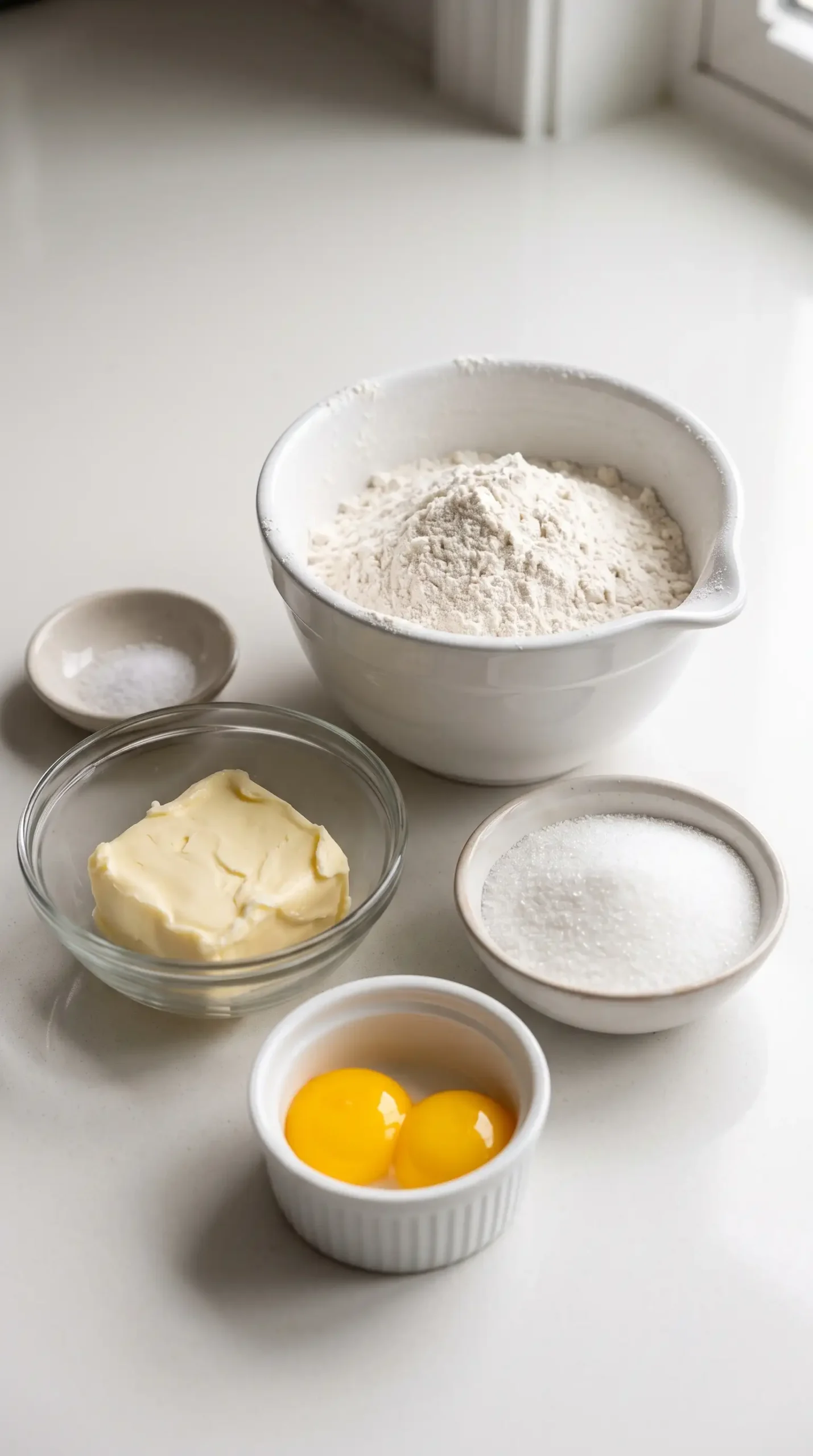
Softened unsalted butter is the foundation of the cookie dough, and its temperature affects how well it combines with sugar. Room-temperature butter can trap air during mixing, creating a smoother dough that is easier to shape after chilling.
Egg yolks have an important role in the finished texture. Using yolks keeps the dough rich and tender, while whole eggs introduce additional structure that can make the cookies slightly firmer. The flour and salt balance the richness while creating a dough that can hold a filled center.
| Ingredient choice | Role in the dough | Result when handled correctly |
|---|---|---|
| Softened butter | Creates the rich base | Smooth dough with tender texture |
| Egg yolks | Add richness and support softness | Delicate crumb |
| All-purpose flour | Provides structure | Cookie shape that holds filling |
Simple ingredient decisions make the shaping process more predictable. Keeping the dough balanced helps the cookies maintain their round form and gives the jam a stable place to sit.
Chilling and Indenting for Better Cookie Control
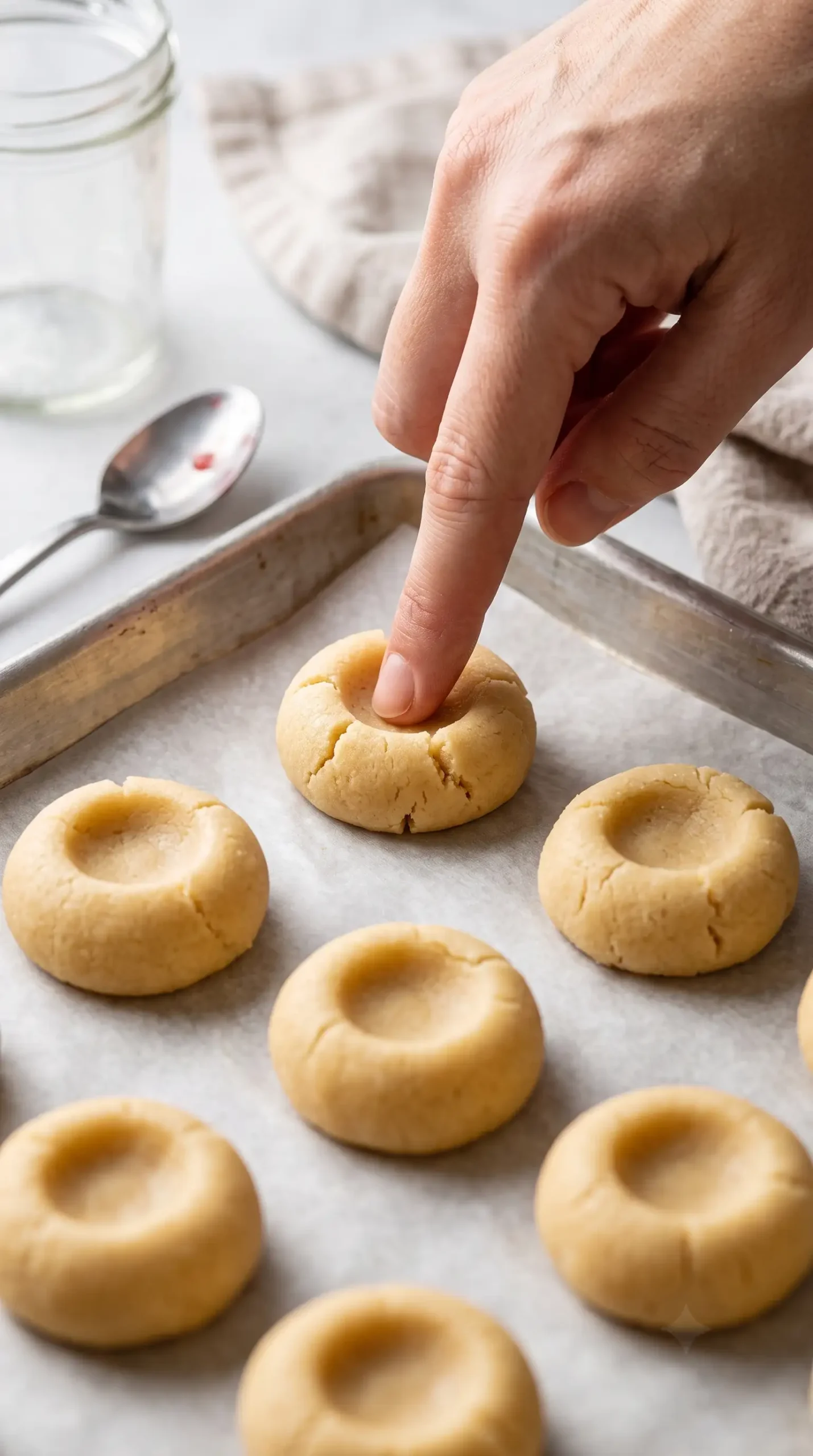
Cold dough is easier to handle because it becomes firm enough to roll into consistent balls. Refrigerating the dough before shaping helps reduce spreading during baking and supports the finished thumbprint appearance.
The indentation requires a gentle touch. A shallow well gives the filling enough space while allowing the cookie to bake evenly. Pressing too hard can create cracks, while a very small opening may leave little room for jam.
- Firm dough: Chilled dough rolls more cleanly and keeps its shape.
- Even portions: Similar-sized dough balls bake at the same rate.
- Gentle wells: Moderate indentations hold filling without weakening the cookie.
Small adjustments during shaping have a noticeable effect on the final appearance. Taking time with each cookie creates a consistent surface that looks polished on a serving tray.
Jam Filled Centers Need the Right Texture
The filling determines much of the cookie’s visual appeal, so choosing the right preserve matters. thicker fruit spreads create cleaner centers and reduce the chance of filling moving beyond the cookie edge during baking.
Classic fruit choices include raspberry, apricot, and strawberry. These options provide familiar flavors and bright color, but lemon curd or chocolate-hazelnut spread can also create different styles when used carefully.
| Filling option | Texture consideration | Best use |
|---|---|---|
| Raspberry jam | Thick and colorful | Traditional cookie trays |
| Apricot preserves | Smooth fruit texture | Light fruit flavor |
| Chocolate-hazelnut spread | Richer and softer | Chocolate variation |
Adding the filling after creating the indentation keeps the center controlled. Avoiding overfilling helps the cookies bake with defined edges and prevents excess filling from spreading.
Baking Details That Keep Cookies Even
The baking stage depends on consistent sizing and proper placement. Cookies arranged on parchment-lined baking sheets have support during baking and are easier to remove once cooled.
Baking until the edges are lightly golden and the centers are set creates the desired contrast between a delicate interior and a slightly firmer edge. Cooling completely on a wire rack allows the texture to settle before serving.
Ways to Serve Thumbprint Cookies
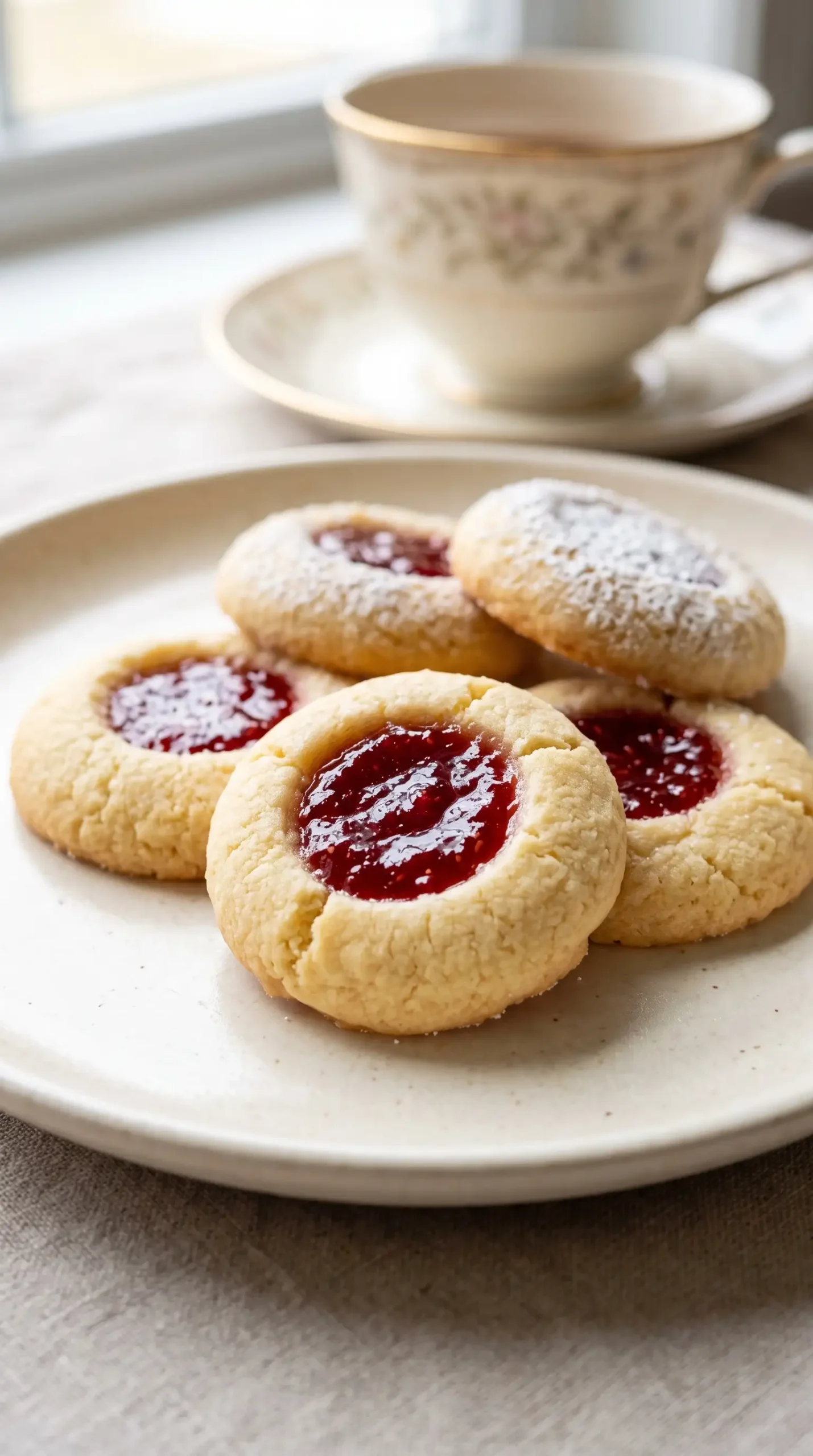
Room-temperature cookies provide the best balance of crumb and filling texture. They pair naturally with black tea, coffee, or milk and can be arranged alongside other small desserts for a varied presentation.
A simple finishing touch can make the cookies feel more festive. A light dusting of powdered sugar or placement on a tiered tray adds visual interest without changing the flavor.
Storing Thumbprint Cookies Without Losing Texture
Proper storage helps preserve the contrast between the buttery cookie and the fruit center. An airtight container keeps the cookies protected, while parchment between layers reduces sticking from the jam.
Cookies can be kept at room temperature for up to 4 days. In warmer kitchens, refrigeration can extend storage, but allowing the cookies to return to room temperature before serving helps restore their usual texture.
Freezing is also practical for longer storage. Cooled cookies can be frozen on a baking sheet before moving them to a sealed freezer bag. Thawing gradually helps prevent the jam from becoming overly soft.
Thumbprint Cookie Variations for New Flavors
Small changes can create new versions while keeping the recognizable cookie shape. Replacing part of the flour with ground almonds adds a nutty texture, and citrus zest can introduce a fresh note. Nut-based cookies with fruit accents can bring extra variety to a dessert tray, including raspberry almond snowball cookies that pair a tender crumb with a raspberry center.
Chocolate lovers can use chocolate-hazelnut spread as a filling alternative. Because softer fillings can melt more easily, using a smaller amount keeps the center neat.
- Nutty version: Replace part of the flour with ground almonds.
- Citrus version: Add lemon or orange zest for a brighter flavor.
- Chocolate version: Use a small amount of chocolate-hazelnut spread.
Variations work best when they respect the cookie’s structure. The dough still needs enough strength to support the center and maintain the classic thumbprint shape.
Common Thumbprint Cookies Mistakes to Avoid
Skipping the chilling step is one of the easiest ways to change the result. Warm dough can spread during baking, leaving flatter cookies and less defined centers.
Overworking the indentation can also create problems. A deep opening may weaken the cookie, while a shallow mark may not hold enough filling. A moderate press creates a balanced space for jam.
Another common issue is adding too much filling. Excess jam can spill over while baking and make the cookie harder to handle. Thick preserves placed carefully in the center give the cleanest appearance.
Making Thumbprint Cookies for Gifting and Batches
These cookies are well suited for sharing because their compact size makes them easy to arrange and transport. Layering them with parchment inside an airtight container helps protect their shape during storage.
Preparing consistent portions also improves presentation. A collection of matching cookies with different jam colors can create an attractive assortment without requiring separate doughs.
The dough can be prepared ahead when planning larger baking sessions. Refrigerated dough can be held before shaping, and frozen dough offers another option for future batches.
Why Thumbprint Cookies Stay a Classic
Thumbprint cookies succeed because a few careful choices create a dependable result. The chilled dough, gentle indentation, and thick jam center work together to produce a cookie that is easy to recognize and enjoyable to serve.
Buttery dough and bright fruit filling remain the defining features of this style of cookie. When the shaping and baking details are handled carefully, each cookie keeps its tender center and attractive appearance from the first bite to the last.
Thumbprint Cookie Questions About Jam and Dough
What type of jam works best for thumbprint cookies?
Thick, seedless jams such as raspberry, apricot, or strawberry work well because they stay centered and create a neat finished appearance. These fillings provide familiar fruit flavors while keeping the cookie easy to serve.
Can I use whole eggs instead of egg yolks?
Whole eggs can be used, but they add more structure and may create a firmer cookie. Egg yolks are the preferred choice when aiming for the rich, tender crumb associated with this cookie style.
How do I stop the jam from spreading during baking?
Use a thick filling, avoid overfilling the indentation, and make sure the dough has been chilled before shaping. These steps help the jam remain inside the cookie center.
Can thumbprint cookie dough be prepared ahead?
Yes, the dough can be refrigerated before baking or frozen for later use. Allowing frozen dough to thaw before shaping helps maintain an even cookie form.
Why do thumbprint cookies become softer after storage?
The jam can release moisture over time, which may soften the cookie slightly. Keeping the cookies in an airtight container with parchment layers helps reduce sticking and preserves their texture.
Thumbprint Cookies with Raspberry Jam Filling
Thumbprint cookies are tender, buttery cookies with a sweet raspberry jam center and a delicate texture. They are an easy homemade dessert choice for gatherings, holiday baking, or whenever a classic cookie is wanted.
Ingredients
Method
Preparation
- Heat the oven to 350°F (175°C).
- Beat the softened butter and granulated sugar together in a mixing bowl until the mixture becomes light and fluffy.
- Blend the egg yolks and vanilla extract into the butter mixture until evenly incorporated.
- Add the flour and salt gradually, mixing until a smooth cookie dough develops.
- Place the dough in the refrigerator for 30 minutes until it is firm enough to handle.
Shaping and Filling
- Shape the chilled dough into 1-inch balls and arrange them on a parchment-lined baking sheet.
- Create a small indentation in the center of each dough ball using your thumb or a small tool.
- Spoon raspberry jam into each cookie indentation.
Baking and Cooling
- Bake the cookies at 350°F (175°C) for 8-10 minutes, until the edges are lightly golden and the centers are set.
- Transfer the cookies to a wire rack and allow them to cool completely before serving.
Notes
Chill the dough before shaping so the cookies maintain their form while baking.