
From morning breakfasts to evening dinners, Tasteza Recipes offers quick and easy recipe ideas, featuring everything from wholesome meals to delicious desserts for every moment and every occasion.


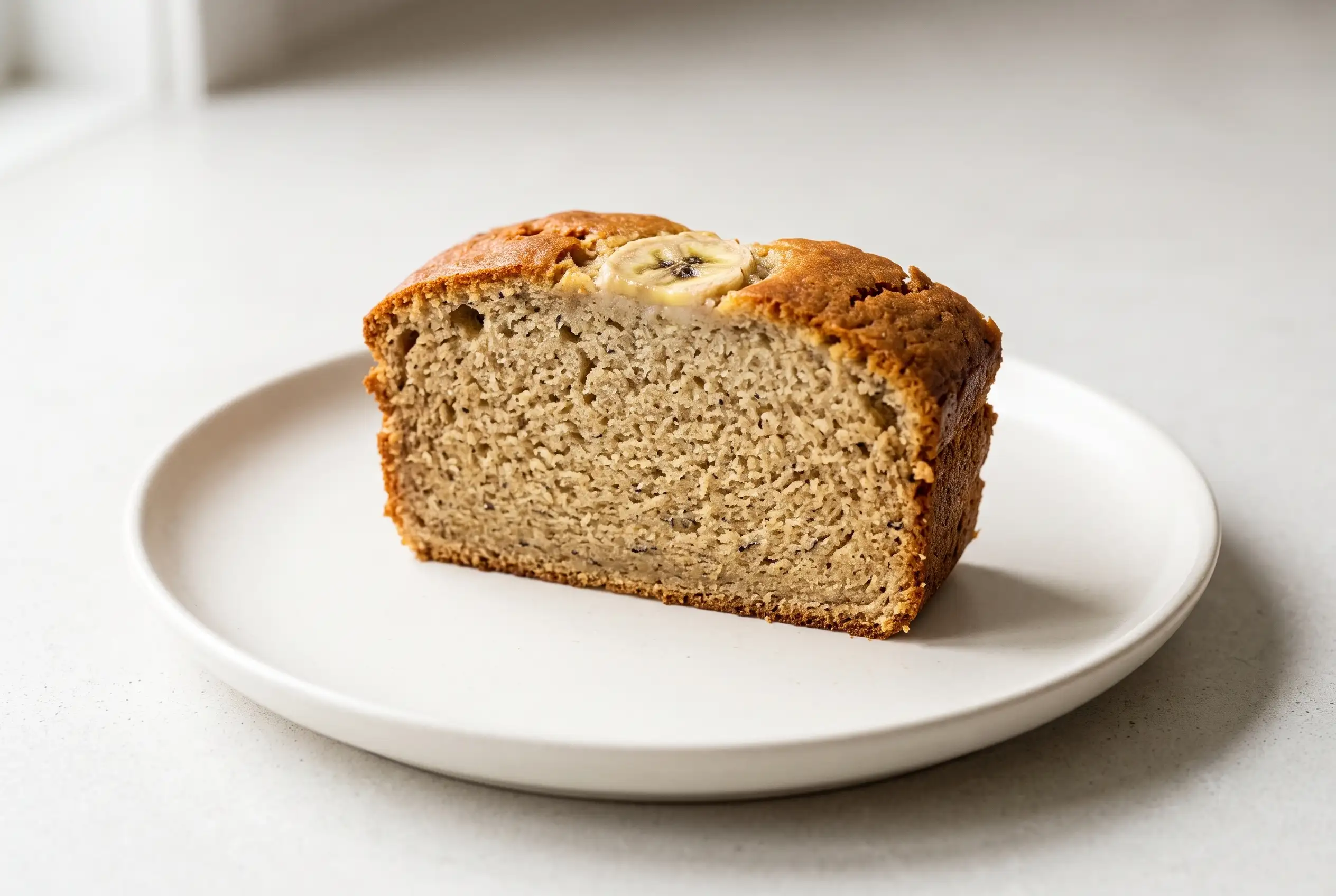
Gluten free banana bread delivers a moist, tender loaf with a soft crumb that works for breakfast, snacks, or a simple dessert. Ripe bananas and a carefully mixed gluten-free batter create an easy gluten free banana bread option for bakers who want a dependable homemade loaf.
The loaf is designed around practical pantry ingredients and a straightforward baking approach. Very ripe bananas add moisture, while gluten-free flour blend and baking powder help create the structure needed for a satisfying slice.
Why Gluten Free Banana Bread Stays Tender
The soft texture of gluten free banana bread comes from balancing moisture, structure, and gentle handling. Mashed ripe bananas bring natural sweetness and help keep the inside of the loaf from becoming dry.
A gluten-free flour blend changes how the batter behaves because it does not develop the same way traditional wheat flour does. Careful measuring and light mixing help maintain an even crumb that slices cleanly after cooling.
The combination of butter or neutral oil, eggs, and milk creates a batter that stays cohesive while baking. These elements allow the loaf to remain soft for days when stored properly.
Ripe Bananas Shape the Loaf’s Texture
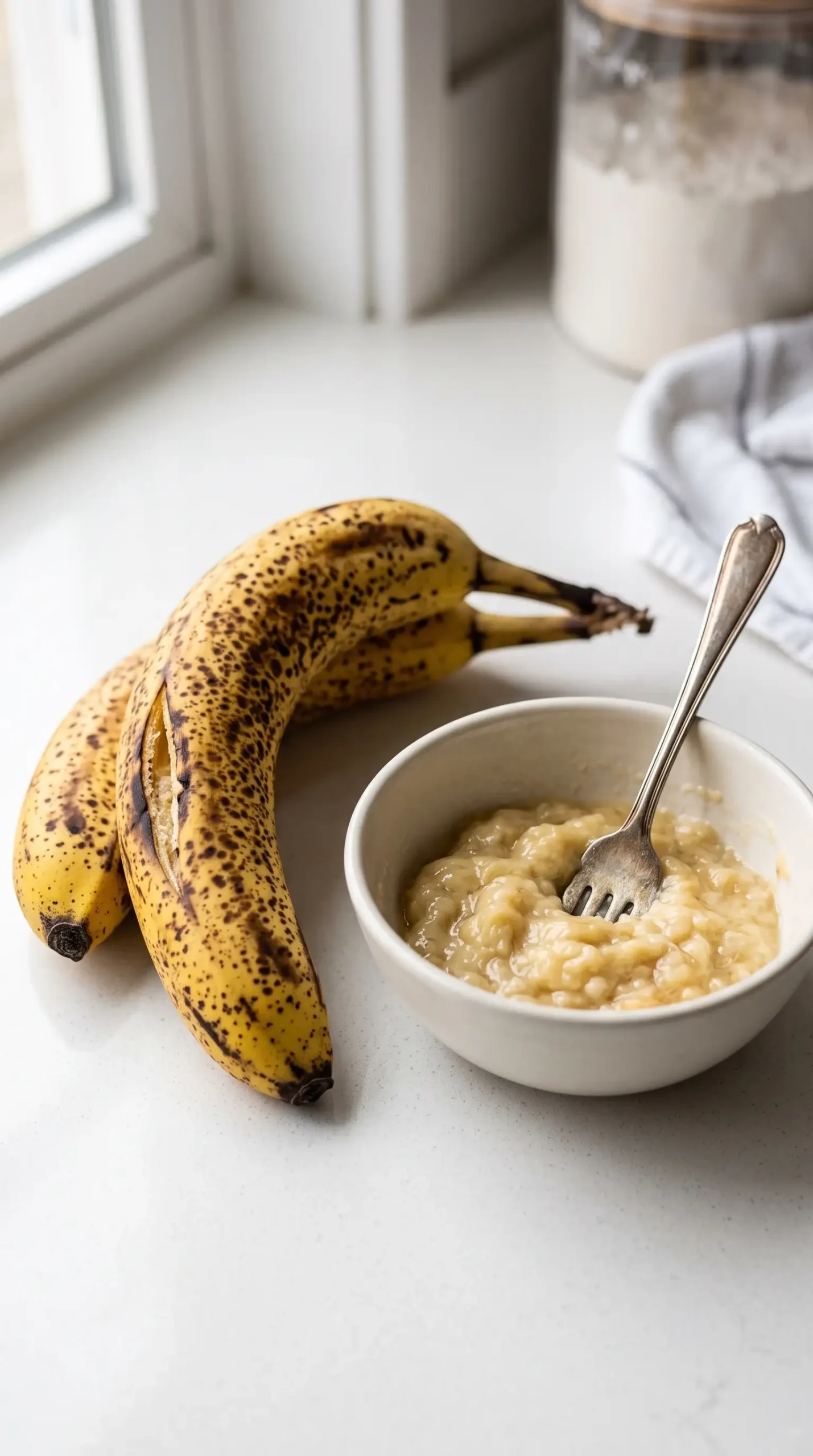
Very ripe bananas are the key ingredient choice for this loaf. Bananas with heavy speckling or mostly brown peels provide the sweetness and moisture needed for a rich banana flavor.
| Banana Condition | Effect on Loaf | Best Use |
|---|---|---|
| Very ripe and speckled | More moisture and sweetness | Ideal for baking |
| Mostly brown peel | Soft texture and strong banana flavor | Best choice for the batter |
| Underripe banana | Less sweetness and a drier result | Better saved for another use |
Flour Blend Choices Protect Structure
The gluten-free flour blend determines how well the loaf holds together. A 1:1 gluten-free flour blend can simplify preparation because it is designed to replace standard flour in many baked goods.
For the best structure, choose a blend that includes a binder such as xanthan gum if the product does not already contain one. This helps the batter maintain shape during baking and cooling.
Measuring the flour blend carefully improves consistency. Too much flour can make the loaf heavy, while too little can affect how the center sets.
One-Bowl Prep Makes Weekday Baking Simple
The mixing approach keeps cleanup easy by building the batter from a short series of additions. Creaming softened butter and sugar creates a smooth base before the bananas and dry ingredients are added.
Mixing Control Keeps Banana Bread Soft
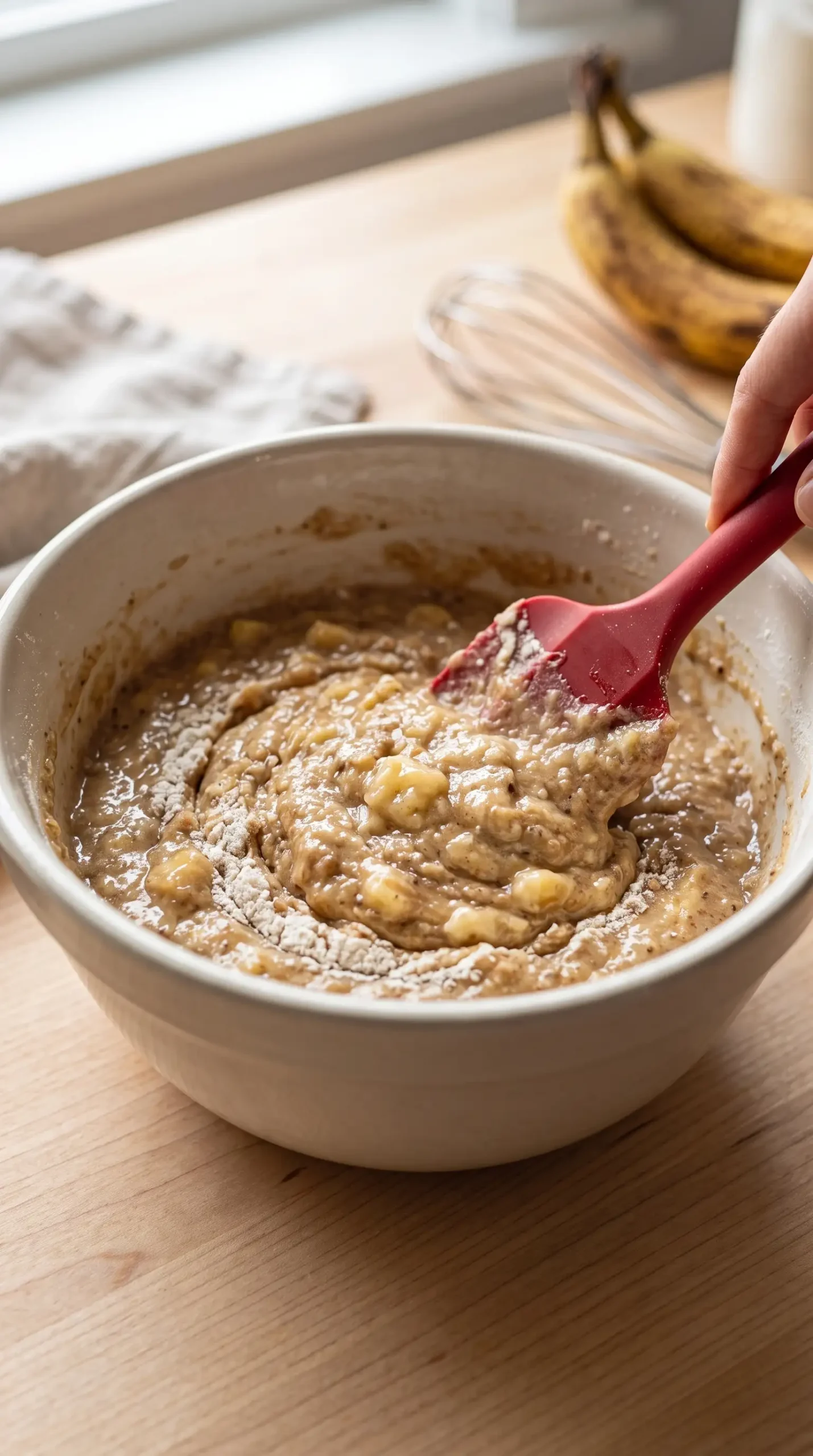
Gentle mixing is one of the most important controls when preparing gluten free banana bread. Once the dry ingredients are added, the batter only needs enough stirring to bring everything together.
Overworking the mixture can lead to a dense texture. Folding the gluten-free flour blend into the wet ingredients carefully helps preserve the tender crumb that makes this loaf enjoyable.
The eggs should be incorporated thoroughly, and the bananas should be mashed evenly before they are folded into the batter. Consistent mixing creates a loaf that bakes more evenly from edge to center.
- Room-temperature ingredients: Bring eggs and butter to room temperature for smoother blending.
- Gentle folding: Stop mixing once the dry ingredients disappear into the batter.
- Center testing: Use a toothpick to check that the middle is fully baked.
Loaf Pan Baking Creates Even Slices
A standard 9×5 inch loaf pan gives the batter room to rise while keeping the shape easy to slice. Preparing the pan with parchment paper or non-stick baking spray helps release the finished loaf.
Serving Ideas for Gluten Free Banana Bread
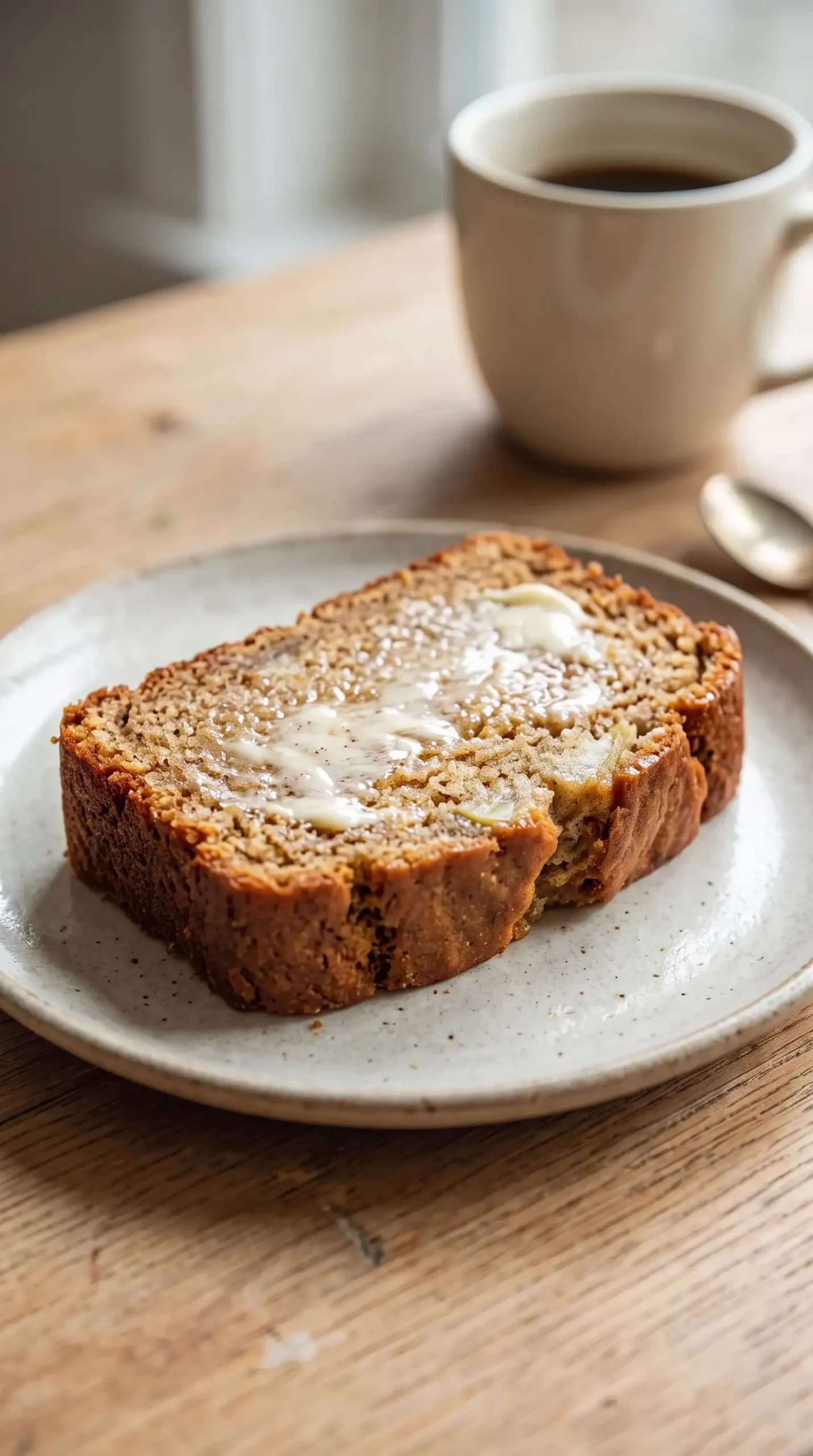
Warm slices of gluten free banana bread make an easy breakfast or afternoon snack. The loaf pairs naturally with coffee, tea, or a glass of milk for a simple serving option.
A thin spread of butter, nut butter, or cream cheese adds extra richness without covering the banana flavor. These toppings work well when serving individual slices at the table.
For a more finished presentation, add a drizzle of honey or a sprinkle of chopped nuts. Fresh fruit such as berries or sliced apples also complements the sweetness of the bananas.
Storage Keeps the Loaf Fresh
Proper storage helps maintain the soft texture of a gluten free banana bread loaf. Once cooled, the loaf should be wrapped or placed in an airtight container to limit moisture loss.
| Storage Method | Container Approach | Serving Preparation |
|---|---|---|
| Room temperature | Wrapped loaf or airtight container | Slice and serve as needed |
| Refrigerator | Tightly wrapped to prevent drying | Bring to serving temperature or warm briefly |
| Freezer | Freeze slices in a freezer bag | Thaw at room temperature or warm gently |
Freezing individual slices makes it easier to enjoy portions later. Firming the slices on a baking sheet before transferring them to a freezer bag helps keep them separated.
Tips for Better Gluten Free Banana Bread Results
Small adjustments can improve consistency when making banana bread with gluten free flour. These choices focus on texture, flavor, and even baking.
- Banana selection: Use very ripe fruit for the strongest flavor and moisture.
- Sugar adjustment: Replace part of the granulated sugar with brown sugar for deeper flavor.
- Top protection: Cover the loaf with foil if the top browns too quickly during baking.
- Pan preparation: Use a prepared pan to support even baking and easier removal.
Common Gluten Free Banana Bread Mistakes to Avoid
Gluten free banana bread can lose its ideal texture when a few common preparation issues occur. Using bananas that are not ripe enough often creates a loaf with less sweetness and reduced moisture.
Adding too much mixing after the flour goes in can make the finished bread dense. The batter should be combined gently until the dry ingredients are no longer visible.
Baking conditions also matter. A higher oven temperature can dry the loaf, while skipping the toothpick test may leave the center underbaked. Keeping the oven at the recommended temperature and checking the center helps create a balanced finish.
Simple Gluten Free Banana Bread Variations
The basic loaf provides room for simple additions while keeping the same baking approach. Chopped walnuts, chocolate chips, and shredded coconut can be folded into the batter for different textures.
A spiced version can include cinnamon and nutmeg mixed with the dry ingredients. These additions change the flavor profile while keeping the soft banana base.
Milk can also be adjusted for different preferences. Dairy milk, almond milk, or oat milk can be used when a dairy-free version is desired.
Adapting the Loaf for Different Kitchens
Dairy-free adjustments can be made by replacing butter with neutral oil and choosing plant-based milk while keeping the batter balanced. A vegan banana bread loaf follows these ingredient swaps to create a tender baked result without dairy ingredients.
When Banana Bread with Gluten Free Flour Fits Your Day
Banana bread with gluten free flour works well when ripe bananas need a useful purpose and a homemade snack is needed from familiar ingredients. The simple preparation makes it suitable for relaxed mornings, quick treats, and sharing.
A Moist Gluten Free Banana Bread Loaf Comes From Gentle Choices
Gluten free banana bread stays successful when ripe bananas provide moisture, the flour blend supports structure, and the batter receives careful handling. The finished loaf depends on these small decisions working together during preparation and baking.
A soft crumb and reliable slice come from respecting the balance between ingredients and technique. Keeping the mixing gentle and checking the center before cooling helps create a loaf that remains enjoyable from the first serving to the last.
Gluten Free Banana Bread Texture Questions
How do I keep the loaf from becoming dense?
Keep the batter mixing gentle after adding the gluten-free flour blend. Stir only until the dry ingredients are incorporated, because extra mixing can make the finished loaf heavier.
Can I use another gluten-free flour blend?
Yes. A blend labeled for 1:1 baking is a suitable choice, especially when it includes a binder such as xanthan gum to support the loaf’s structure.
How do I prevent a soggy bottom?
Make sure the bananas are mashed well and avoid adding extra liquid. A properly prepared loaf pan also helps the bread bake evenly.
Can I turn the loaf into muffins?
Yes. The batter can be baked as muffins at the same oven temperature until a toothpick inserted into the center comes out clean.
Should the bread cool before slicing?
Cooling for at least 30 minutes allows cleaner slices. Slightly warm pieces can still be served immediately if a softer texture is preferred.
Gluten Free Banana Bread
This gluten free banana bread is a soft, tender loaf with a moist texture and classic banana sweetness. It is an easy homemade bake perfect for breakfast, snacks, or sharing.
Ingredients
Method
Preparation
- Heat the oven to 350°F / 175°C and prepare a 9x5-inch loaf pan by greasing it or adding parchment paper.
- Beat the softened butter with the granulated sugar in a large bowl until well combined.
- Mix in the eggs individually, incorporating each one before adding the next, then blend in the vanilla extract.
- Mash the ripe bananas and mix them into the butter mixture until evenly distributed.
- Combine the gluten-free flour blend, baking powder, and salt in a separate bowl.
- Add the dry mixture to the banana mixture gradually along with the milk, stirring gently just until the batter comes together.
- Transfer the batter to the prepared loaf pan and level the surface.
Baking
- Bake the loaf for 50 to 55 minutes, until a toothpick placed in the center comes out clean.
- Leave the banana bread in the pan for 15 minutes, then move it to a wire rack and allow it to cool completely before slicing.
Serving
- Cut the cooled gluten free banana bread into slices and serve.
Notes
Use very ripe bananas and mix gently after adding the flour to help maintain a tender loaf texture.