
From morning breakfasts to evening dinners, Tasteza Recipes offers quick and easy recipe ideas, featuring everything from wholesome meals to delicious desserts for every moment and every occasion.


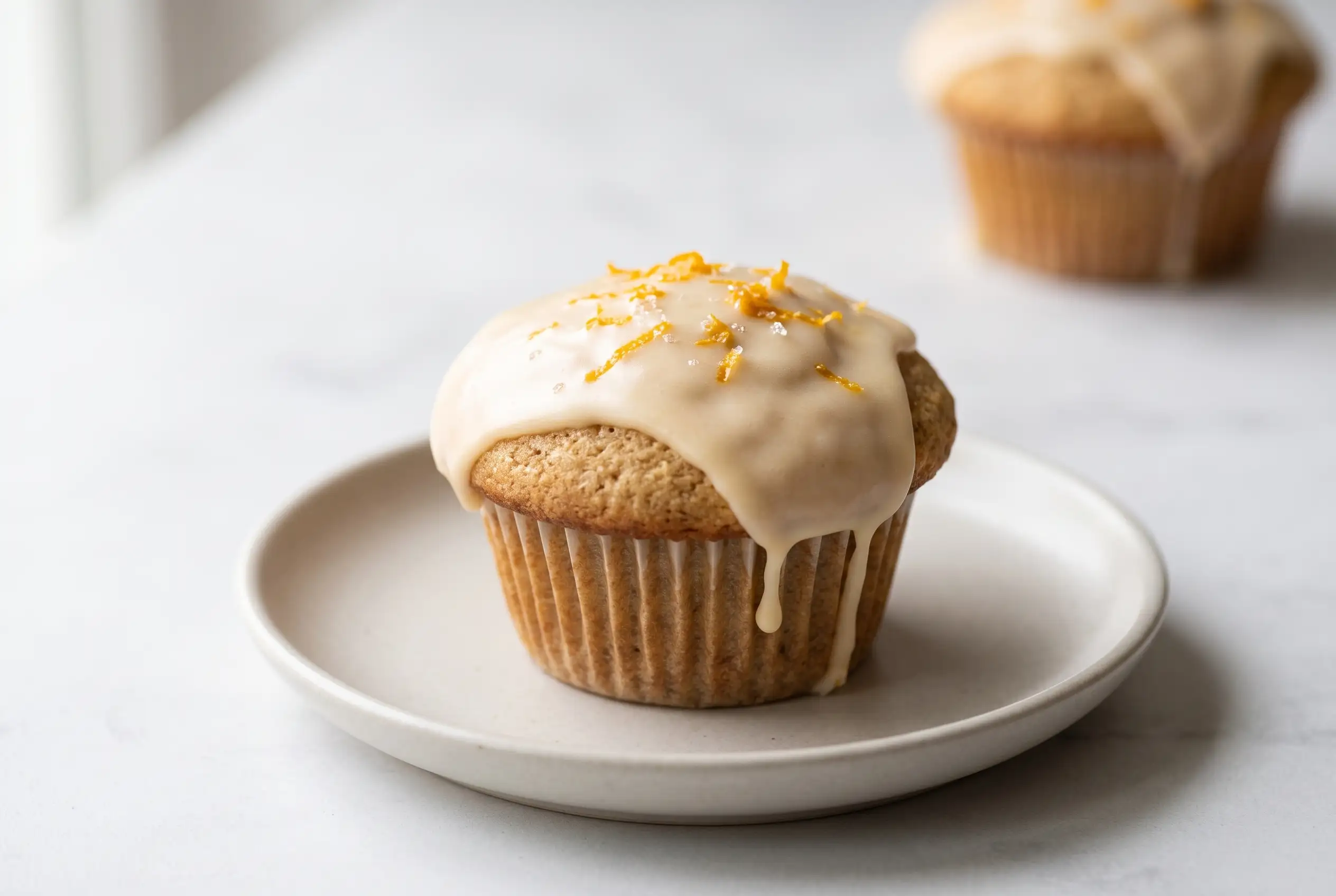
Glazed orange muffins bring fresh citrus flavor to a tender breakfast bake with a simple powdered sugar finish. These glazed orange muffins combine orange juice, orange zest, and a lightly sweet crumb before adding a glossy glaze and fragrant sugared topping. The result is a homemade treat that feels special while using a practical mixing method and familiar baking ingredients.
Fresh orange muffins work well for weekday breakfasts, small gatherings, or a quick snack because the batter comes together without a complicated preparation process. The short ingredient list focuses on balanced sweetness, citrus aroma, and a soft texture that pairs easily with coffee, tea, or simple breakfast sides.
Why Glazed Orange Muffins Fit Busy Mornings
The appeal of these muffins comes from the combination of speed and texture. A straightforward batter means there is no need for a lengthy creaming process, and the ingredients are combined with gentle mixing to protect the finished crumb.
The orange flavor develops through both juice and zest. The juice brings brightness throughout the muffin, while the zest contributes a stronger citrus aroma that becomes noticeable from the first bite.
The glaze adds another layer after baking. Once the muffins cool, the orange glaze creates a smooth surface, and the sugared zest topping provides a fresh texture that makes the finished muffins look bakery-inspired.
| Feature | How it appears | Why it matters |
|---|---|---|
| Citrus flavor | Orange juice and zest | Creates a bright orange character |
| Sweet finish | Powdered sugar glaze | Adds a smooth topping |
| Texture support | Gentle batter mixing | Helps maintain a tender crumb |
Whole Wheat Pastry Flour Shapes Fresh Orange Muffins
Whole wheat pastry flour gives the muffins a mild nuttiness while keeping the texture lighter than a traditional whole wheat bake. Its softer structure works well for a muffin batter where tenderness is the main goal.
Brown sugar works alongside the flour by adding gentle sweetness and a deeper flavor. The combination keeps the muffins from tasting flat while allowing the orange notes to remain noticeable.
Measuring flour carefully helps preserve the intended texture. Spoon the flour into the measuring cup and level it before adding it to the batter, since excess flour can make muffins feel dense.
Orange Juice and Zest Build Citrus Flavor
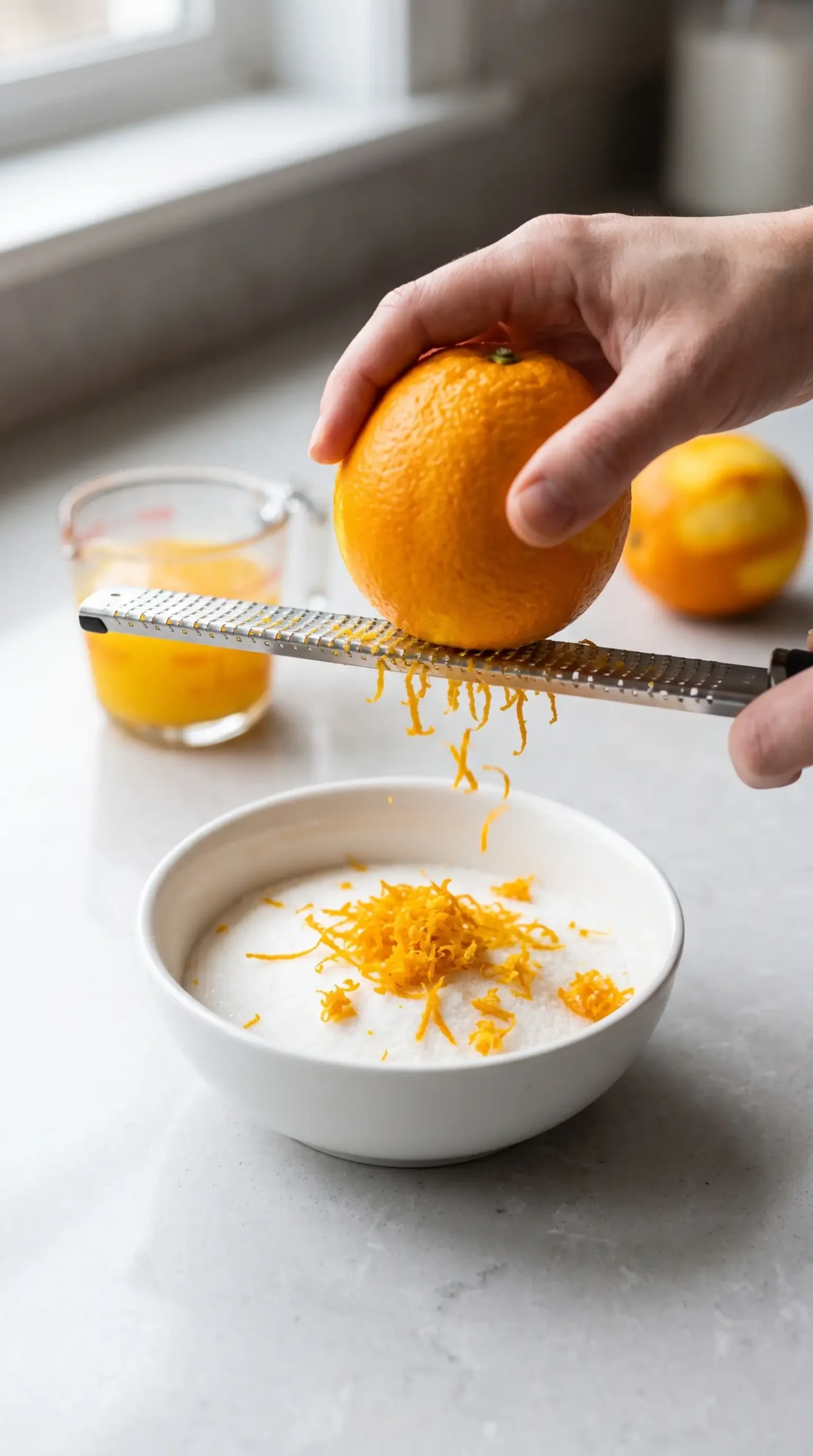
The orange elements serve different purposes in the muffins and topping. Juice provides liquid and citrus taste inside the batter, while zest releases aromatic oils that create a more noticeable orange scent.
- Orange juice: Brings fresh citrus flavor to the muffin base and glaze.
- Orange zest: Adds concentrated aroma and a fragrant topping when mixed with sugar.
- Sugared zest: Creates small citrusy pieces that cling to the glazed surface.
When zesting an orange, lightly scrape only the outer colored layer. Avoid pressing deeply into the white pith because it can add bitterness to the citrus flavor.
Mixing Choices Keep the Muffin Crumb Tender
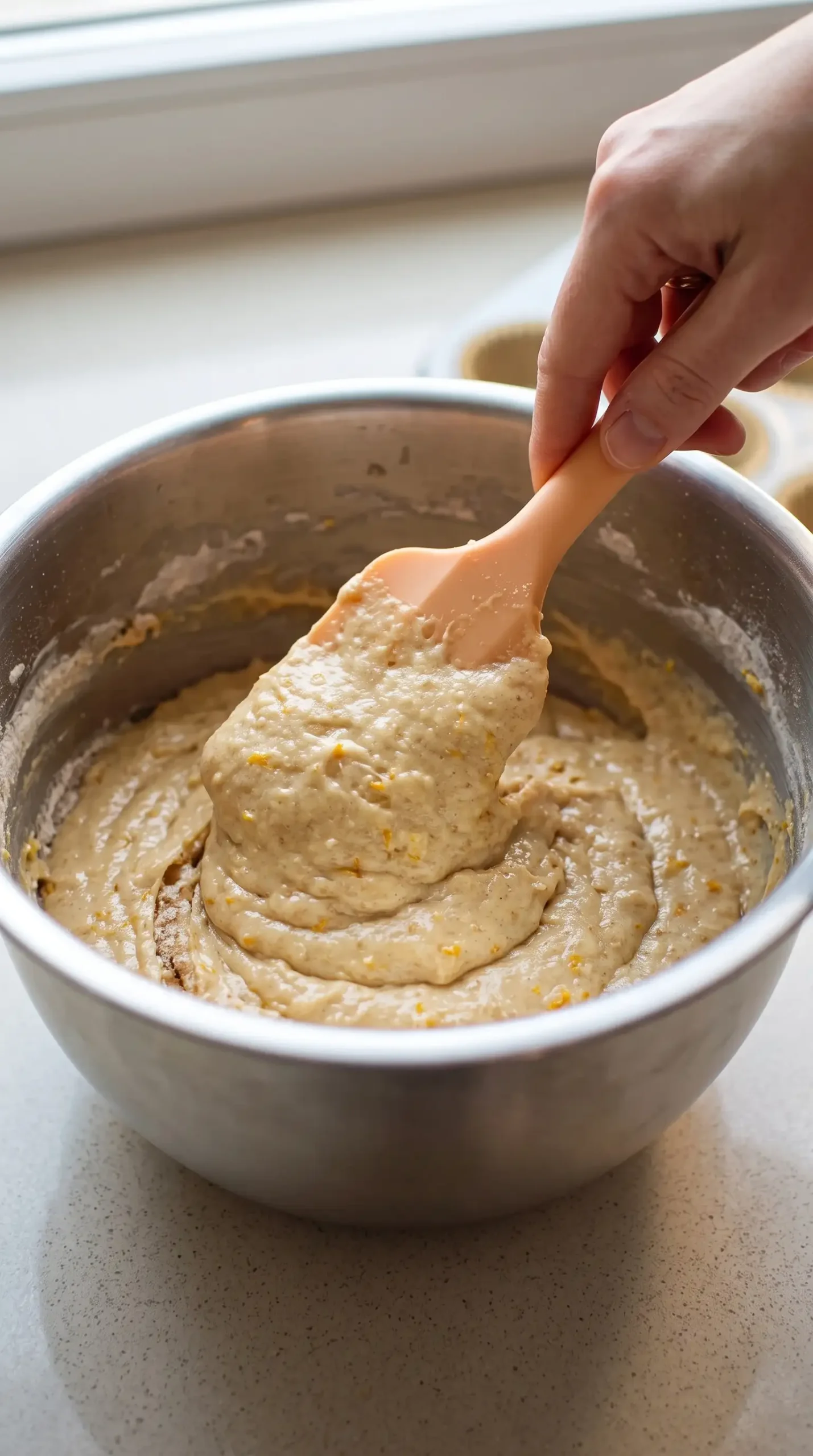
The batter depends on a gentle approach. After the dry ingredients are added, mixing should stop once everything is combined. Excessive stirring can create a tougher texture by overworking the batter.
A few small dry streaks disappearing during mixing is a useful sign that the batter is ready. Vigorous stirring is unnecessary because the ingredients only need to come together before baking.
The same attention applies when dividing the batter into the muffin tin. Even portions help the muffins bake at a similar rate and create consistent pieces for glazing later.
Baking Controls for Glazed Orange Muffins
Successful baking depends on watching the muffins near the end of their bake time. The tops should spring back when lightly pressed, which signals that the crumb has set.
Ovens can vary, so checking early helps prevent dry muffins. After baking, cooling is an important part of the process because the glaze needs a completely cool surface to set properly.
- Prepare the muffin tin before the batter is mixed so the muffins can go into the oven smoothly.
- Watch for springy tops during baking instead of relying only on the clock.
- Cool completely before adding glaze and sugared zest.
Glaze Texture and Sugared Zest Finish

The powdered sugar glaze should have a thick but dippable consistency. Orange juice is added gradually so the glaze stays smooth and coats the muffin tops without becoming too thin.
A glaze that is too runny can be adjusted with additional powdered sugar. A slightly thicker texture helps it remain on the muffin surface and gives the sugared zest something to hold onto.
The topping is made by rubbing orange zest and white sugar together until fragrant and slightly clumped. This action releases citrus oils and helps create a topping that sticks to the wet glaze.
Serving Ideas for Orange Muffins with Glaze
These orange muffins with glaze are enjoyable slightly warm or at room temperature once the topping has set. A simple serving approach lets the citrus flavor remain the focus.
They pair well with plain Greek yogurt or softened butter. Drinks such as black coffee, Earl Grey tea, or citrus-forward herbal tea complement the orange notes without overpowering them.
Storage Choices for Fresh Orange Muffins
Proper storage helps maintain the moisture of the muffins and keeps the glaze in good condition. An airtight container at room temperature works well for short-term storage.
| Storage method | Container or preparation | Serving adjustment |
|---|---|---|
| Room temperature | Airtight container with paper towel under lid | Serve when glaze is set |
| Refrigerator | Covered container | Bring to room temperature before eating |
| Freezer | Individually wrapped cooled muffins | Thaw before serving |
Freezing works well when the muffins are cooled first and wrapped individually. Thawing allows the texture to soften again before serving.
Small Variations for Orange Muffins with Powdered Sugar Glaze
The basic citrus profile can be adjusted while keeping the baking method intact. Dried cranberries add tart pockets that suit the orange flavor, a pairing used in cranberry orange bread, while a small amount of lemon juice in the glaze can create a sharper citrus finish.
- Nut addition: Add chopped nuts for extra texture.
- Fruit addition: Include dried cranberries for a different citrus pairing.
- Flour change: Use all-purpose flour for a slightly lighter flavor while keeping the same amount.
Corn syrup helps retain moisture, but light honey can be used as a substitute if desired. Omitting it may slightly change the texture, so the muffins should still be mixed and baked carefully.
Mistakes That Affect Glazed Orange Muffins
Several small errors can change the texture or appearance of glazed orange muffins. Most problems happen during mixing, cooling, or finishing rather than from complicated techniques.
- Overmixing batter: Stir only until combined to avoid a tougher muffin texture.
- Glazing warm muffins: Wait until completely cool so the glaze does not run.
- Thin glaze consistency: Add powdered sugar gradually if the glaze does not coat the tops.
- Heavy flour measurement: Level flour carefully to avoid dense results.
The cooling stage is especially important because the glaze and sugared zest depend on a stable surface. Adding the topping too early prevents the clean finish these muffins are designed to have.
Glazed Orange Muffins Keep Citrus Baking Simple
Glazed orange muffins succeed when the batter stays lightly mixed and the citrus topping is added at the right moment. The tender crumb, orange flavor, and powdered sugar glaze depend on simple choices made during preparation and finishing.
The cooled muffin surface creates the best base for the glossy glaze and sugared zest, allowing the citrus topping to remain visible, fragrant, and easy to enjoy.
Glaze Troubles and Other Glazed Orange Muffins Questions
Why does my glaze run off the muffins?
The glaze can run if the muffins are still warm or if the mixture is too thin. Allow the muffins to cool completely and adjust the glaze with more powdered sugar until it reaches a thick but dippable texture.
Can I use all-purpose flour for these muffins?
Yes. An equal amount of all-purpose flour can replace whole wheat pastry flour. The muffins will have a slightly lighter flavor but will still work with the same general preparation method.
How do I make the sugared zest stick?
Apply the sugared zest immediately after dipping the cooled muffin tops into the glaze. The fresh glaze provides the surface needed for the zest mixture to adhere.
Can the batter be prepared ahead?
The dry ingredients can be measured ahead, but combining wet and dry ingredients shortly before baking helps maintain the muffin texture and rise.
Can these muffins be baked as a loaf?
Yes. The batter can be baked in a greased loaf pan at the same oven temperature, with a longer baking time. Check the loaf for doneness as the size changes the baking duration.
Glazed Orange Muffins with Orange Powdered Sugar Glaze
These glazed orange muffins are soft, tender, and bright with fresh citrus flavor, finished with a sweet orange powdered sugar glaze and fragrant sugared zest. They are an easy choice for breakfast, brunch, or a simple dessert.
Ingredients
Method
Preparation
- Preheat the oven to 350°F / 175°C. Lightly grease 6 standard muffin cups or add paper liners.
- In a mixing bowl, whisk together the milk, vegetable oil, beaten egg, corn syrup, 1/3 cup orange juice, and a pinch of orange zest.
- Add the whole wheat pastry flour, brown sugar, baking powder, and salt. Stir gently only until the dry flour is incorporated.
- Distribute the batter evenly among the 6 prepared muffin cups.
Baking
- Bake for 10 to 15 minutes, or until the muffin tops spring back after a light touch.
- Leave the muffins in the pan for 5 minutes, then move them to a wire rack to cool completely.
Glaze and Topping
- Whisk the powdered sugar with 2 tablespoons orange juice. Add more orange juice 1 teaspoon at a time until the glaze is thick enough to coat the muffin tops while still allowing them to be dipped.
- Combine 1 part orange zest with 2 parts white sugar, rubbing them together until the mixture becomes fragrant and forms small clumps.
- Dip the top of each cooled muffin into the orange glaze and let the excess run off. Sprinkle the sugared orange zest over the glaze immediately.
- Allow the glaze to set for a few minutes before serving.
Notes
Make sure the muffins are fully cooled before adding the glaze so it stays thick and the sugared orange zest sticks properly.