
From morning breakfasts to evening dinners, Tasteza Recipes offers quick and easy recipe ideas, featuring everything from wholesome meals to delicious desserts for every moment and every occasion.


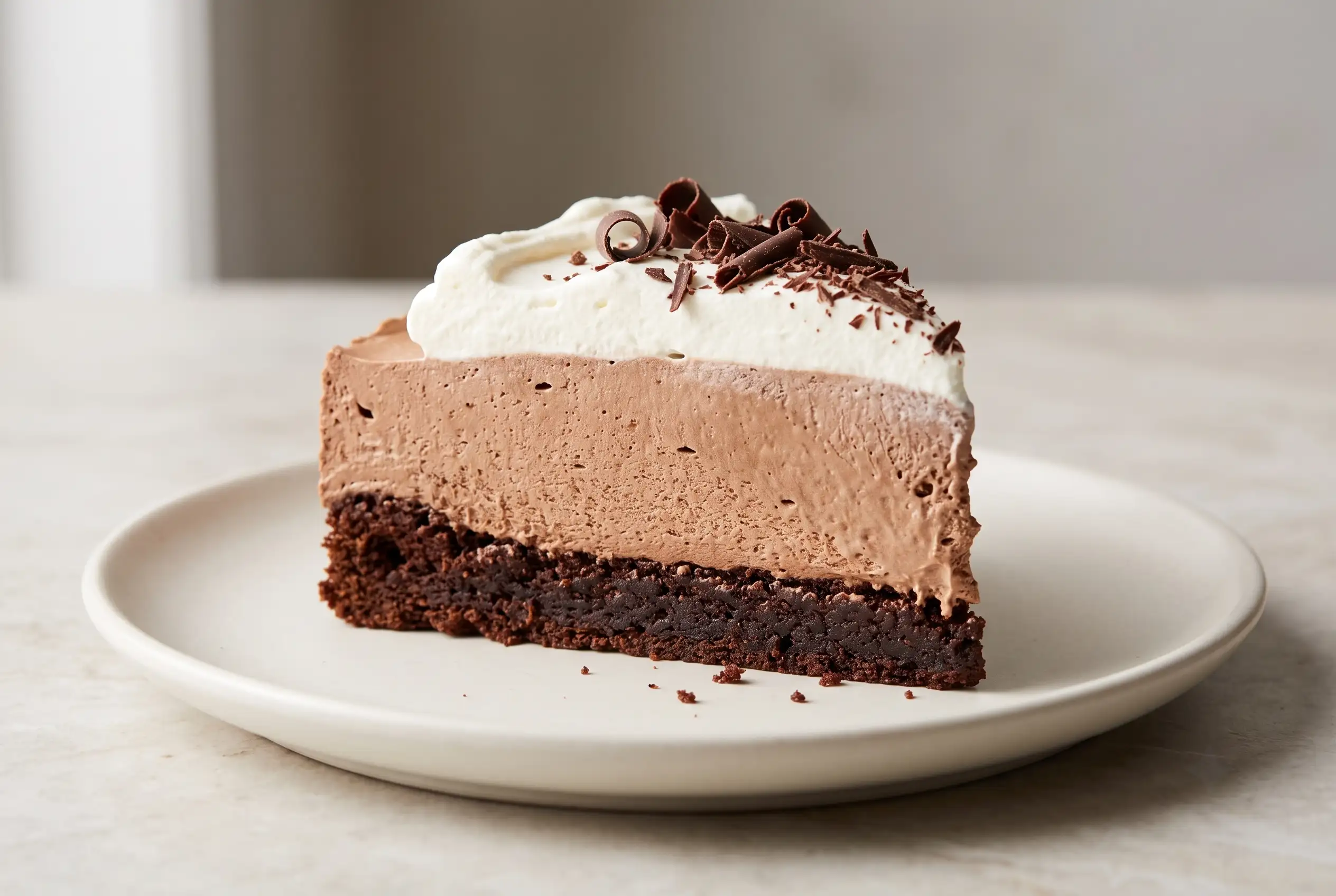
French silk brownie pie combines a thin, fudgy brownie base with a light chocolate mousse that firms as it chills. The contrast is the main attraction: one layer is dense and chewy, while the other feels airy, smooth, and cool on the palate. Finished with whipped cream and chocolate shavings, the dessert works equally well as a party centerpiece, a holiday tart, or a make-ahead weekend treat. Its staged preparation also removes last-minute pressure because the crust can cool before assembly and the filled tart can set well before guests arrive.
A Thin Brownie Base Sets the Texture
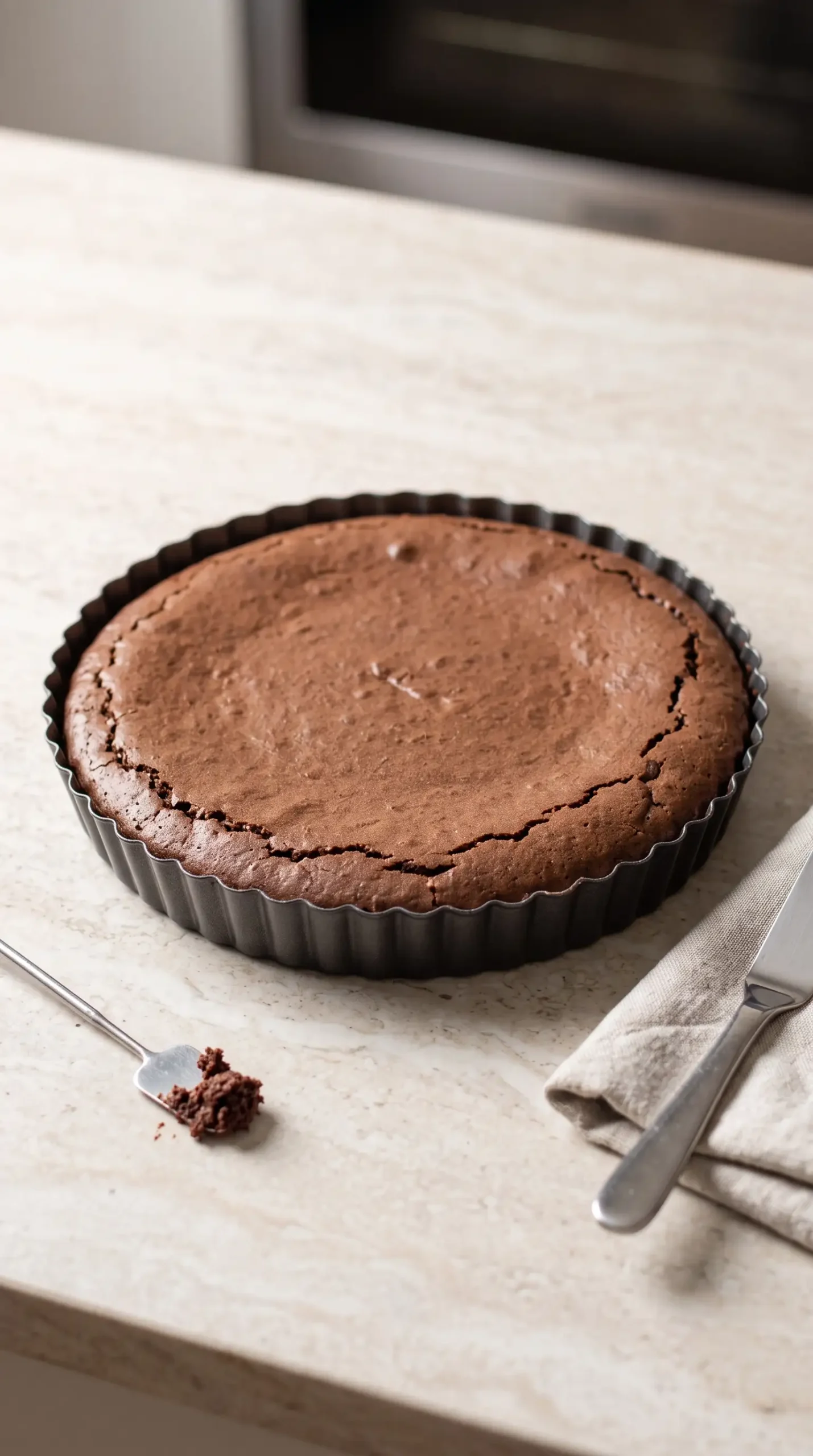
A shallow layer of brownie batter gives the tart structure without turning it into a heavy slab. Keeping the base close to one inch thick allows the center to stay fudgy while leaving enough room for the mousse.
Short baking matters because a thin layer can move quickly from gooey to dry. Start checking near the early end of the 10- to 15-minute window, then remove the crust when it matches the level of softness you want. A slightly softer base creates a richer contrast with the chilled filling.
For a fudgy base that is baked through without becoming dry, a tester inserted in the center should come out with a few moist crumbs, not wet batter or a completely clean surface.
Any puffed area can be pressed down gently after the brownie has cooled. That simple adjustment creates a level surface for the mousse and helps each slice show two clean, even layers.
Chocolate and Butter Need Careful Temperature Control
Softened butter should cream easily with the sugar, while the melted unsweetened chocolate must be cool before it joins the mixture. Warm chocolate can soften the butter too much and leave the filling heavy or grainy instead of fluffy.
Visible graininess immediately after adding the chocolate is not automatically a failure. The mixture changes again as the eggs are incorporated and the mixer whips air into the filling. What matters most at this stage is that the chocolate is no longer hot.
Because unsweetened chocolate provides deep cocoa flavor without added sweetness, the measured sugar carries the balance. Reducing it slightly is possible for a less sweet variation, but the mousse will taste more intense and may pair best with extra whipped cream or berries.
Egg Addition Determines the Mousse Texture
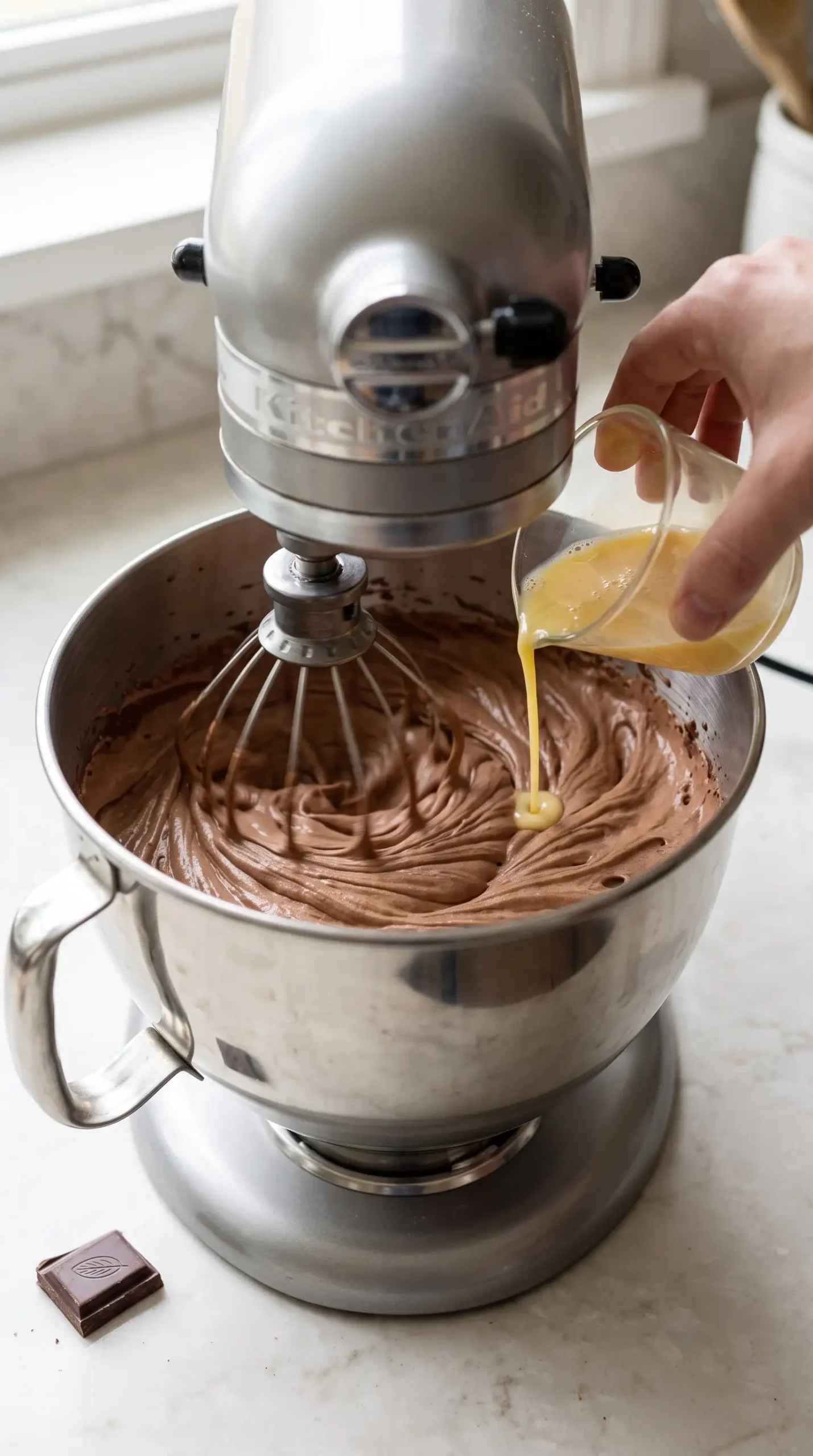
Gradual egg incorporation gives the butter, sugar, and chocolate mixture time to blend before the speed increases. Begin on low so the filling stays controlled, then whip faster to build the airy texture that distinguishes a brownie pie with chocolate mousse from a simple frosted brownie.
Baking Control Keeps the Crust Fudgy
The brownie layer needs enough heat to hold together, yet not so much that it becomes cakey. Batter intended for a rich, fudgy brownie base should be spread thinly in the tart pan and checked early because its standard baking time will be too long at this depth.
| What you observe | Likely result | Best response |
|---|---|---|
| Center still looks very wet | Crust may remain too raw to support the mousse | Continue baking briefly and check again |
| Top is set but base still feels soft | Fudgy texture with enough structure | Remove and cool completely |
| Edges and center look dry | Base may turn cakey or firm | Take it out immediately and avoid extra oven time |
Complete cooling is part of baking control, not merely a waiting period. Mousse placed over a warm crust can soften, lose volume, and settle unevenly across the tart.
Chilling Gives French Silk Brownie Pie Clean Slices
At least four hours in the refrigerator allows the mousse to firm without extra stabilizers. Overnight chilling creates an even more dependable texture when the tart needs to be sliced neatly for a gathering.
Covering the pan protects the filling from refrigerator odors and limits drying at the surface. Once set, french silk brownie pie should feel firm enough to cut while still remaining soft and mousse-like when eaten.
A thin knife warmed in hot water and wiped dry helps create clean portions. Repeat the warming and wiping between cuts when presentation matters.
Small Checks Before Adding the Mousse
Four quick checks protect the contrast that makes french silk brownie pie distinctive. Each one addresses a point where excess heat, uneven height, or difficult mixing could affect the finished layers.
- Cool the brownie fully: residual warmth can loosen the whipped filling.
- Level any puffed center: gentle pressure after cooling creates space for an even mousse layer.
- Check the chocolate: melted chocolate should be fluid but no longer warm.
- Use softened butter: firm butter will not cream into a light base for the filling.
Serving French Silk Brownie Pie at Its Best
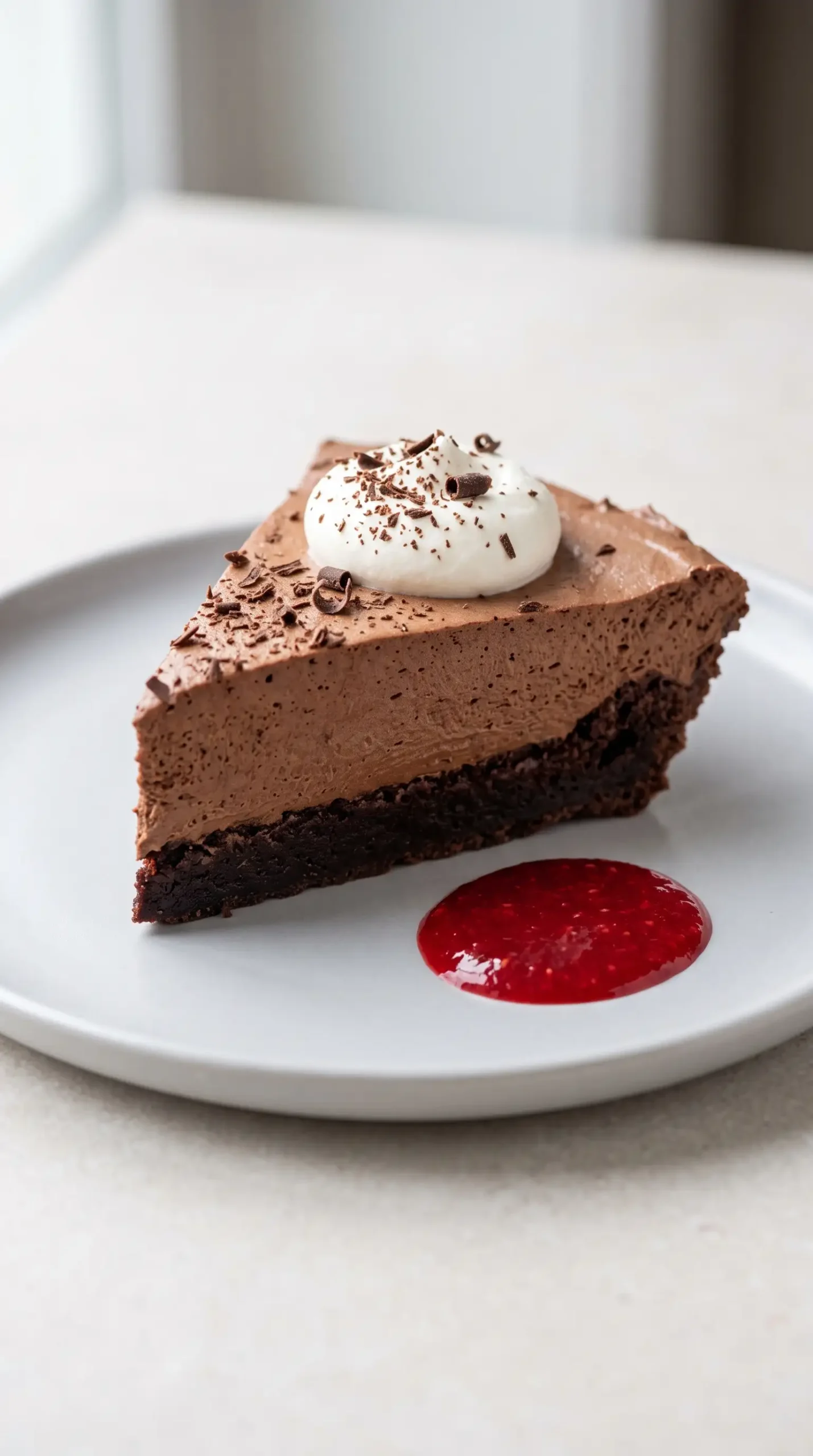
Serve the tart chilled or let it sit only briefly so the mousse remains firm. A small dollop of whipped cream and a scattering of chocolate shavings add visual contrast without covering the two-layer structure.
Clean slicing is especially useful for a french silk chocolate brownie pie because the dark brownie base and pale whipped topping frame the mousse. Smaller portions usually suit the dessert’s rich chocolate profile.
Fresh berries, raspberry coulis, or a light citrus sauce can cut through the richness. Espresso, dark-roast coffee, or a simple dessert wine also complements the cocoa-forward flavor.
Refrigerating and Freezing the Tart
Covered tarts keep in the refrigerator for up to three days. Airtight storage or tightly applied plastic wrap helps prevent the mousse from absorbing odors and keeps the brownie crust from drying around the edges. Extended room-temperature holding is not suitable for the mousse-filled tart, so return leftovers to the refrigerator soon after serving.
| Storage choice | Recommended handling | Serving step |
|---|---|---|
| Whole tart in refrigerator | Cover the pan securely | Slice while chilled |
| Individual slices in refrigerator | Place in an airtight container | Serve cool from the fridge |
| Individual slices in freezer | Wrap tightly in plastic and foil for up to one month | Thaw slowly in the refrigerator |
Party Preparation Works Well in Stages
A make-ahead schedule suits french silk brownie pie because the crust must cool before filling and the assembled tart needs a long chill. The brownie base can be baked first, leveled if necessary, and left to cool before the mousse is mixed.
Assembly up to 48 hours before serving gives the filling time to set while keeping the dessert within its best texture window. Add whipped cream and chocolate shavings close to serving so the garnish looks fresh.
Individual tart pans make portioning easy, while a 9-inch tart pan creates a single centerpiece. In either format, preserving a thin brownie layer is more important than matching one exact pan shape.
Flavor Variations That Fit the Chocolate Layers
Toasted chopped nuts can be folded into the brownie batter for crunch, and a teaspoon of instant espresso can be stirred into the melted, cooled chocolate to deepen the cocoa flavor. Fresh berries on top offer a lighter finish without changing the mousse itself. Keep each variation restrained so the thin crust still supports the filling and the chocolate remains the central flavor.
French Silk Brownie Pie Mistakes to Avoid
Several small errors can change the texture of a french silk brownie pie, but each has a clear prevention step.
- Adding warm chocolate: heat can soften the butter mixture and reduce the mousse’s volume.
- Overbaking the thin base: extra oven time turns the brownie layer dry and cake-like.
- Filling a warm crust: trapped heat can loosen the mousse before chilling begins.
- Rushing the egg addition: pouring too quickly makes the mixture harder to blend smoothly.
- Cutting before the set is complete: the mousse may slump instead of holding a clean edge.
When the crust is slightly under the preferred firmness, chilling can help it feel more stable, but a truly raw center cannot be corrected by refrigeration. When the mousse seems soft, additional chilling is the supported fix as long as the chocolate was cooled and the eggs were added gradually.
Tart Pan Size Changes the Baking Watchpoint
Small tart pans or one 9-inch tart pan both work, provided the brownie batter remains in a thin layer. Wider or smaller pans change how quickly that layer sets, so visual checks are more useful than relying only on the clock.
Pairings That Balance the Rich Chocolate
Dark coffee and espresso mirror the cocoa intensity, while berries and citrus bring acidity that keeps each bite from feeling too heavy. Raspberry coulis is especially useful on a plated slice because only a small spoonful is needed beside the brownie crust mousse pie.
Whipped cream performs a different job from fruit: it softens the impression of the unsweetened chocolate while keeping the flavor profile classic. Chocolate shavings reinforce the dessert’s main character and add a delicate texture at the surface.
A savory meal can precede the tart, but the dessert needs no elaborate accompaniment. Its strongest presentation comes from a clean slice, a restrained garnish, and a cold, well-set mousse.
Thin Brownie and Airy Mousse Belong Together
A properly cooled brownie base supports the mousse without competing with it. The most important judgment is to stop baking while the thin crust is still fudgy, then allow enough refrigerator time for the filling to become sliceable.
That balance gives french silk brownie pie its defining contrast: dense chocolate underneath, whipped chocolate above, and a finish that stays polished without requiring a complicated pastry crust.
Raw Eggs, Puffing, and Make-Ahead Questions
Are raw eggs safe in the mousse?
Pasteurized eggs are the suitable choice for anyone concerned about using uncooked eggs. An egg-free chocolate mousse alternative can also replace the filling when raw eggs need to be avoided.
Can a store-bought brownie mix be used?
A boxed mix works well and saves preparation time. Make the batter according to its package instructions, then spread only enough to create the thin tart base described here.
Why did the brownie crust puff in the center?
The thin brownie layer can rise during baking. Once it is completely cool, press the raised area down gently to create an even surface; blind baking is not needed.
How long can the assembled tart be made ahead?
Preparing the assembled tart up to 48 hours before serving is suitable for the best texture. Keep it covered and refrigerated, then add the whipped cream and chocolate shavings near serving time.
Can french silk brownie pie be frozen whole?
Freezing individual slices is the supported approach because they can be wrapped tightly in plastic and foil. Thaw each piece in the refrigerator before serving.
French Silk Brownie Pie with Light Chocolate Mousse
French Silk Brownie Pie combines a fudgy brownie crust with a creamy chocolate mousse topping for an indulgent dessert perfect for chocolate lovers and special gatherings.
Ingredients
Method
Preparation
- Prepare the brownie batter and spread it into tart pans, forming a thin layer about 1 inch thick.
- Bake the brownie crust for 10-15 minutes until the desired fudgy texture is reached.
- Allow the brownie crust to cool completely, then gently flatten any raised areas to make room for the mousse.
Filling
- Beat the softened butter and sugar together until light and fluffy, then blend in the melted, cooled chocolate.
- Add the eggs gradually while mixing on low speed, then increase the speed to incorporate air into the mousse mixture.
Chilling
- Spread the chocolate mousse over the cooled brownie crust and refrigerate for at least 4 hours until set.
- Cover the tart pans and continue chilling until the mousse is firm and slices cleanly.
Topping and Serving
- Finish the chilled tarts with whipped cream and chocolate shavings before serving.
- Serve the French Silk Brownie Pie chilled or slightly cool from the refrigerator.
Notes
Use melted chocolate only after it has cooled before adding it to the mousse mixture to help the filling set properly.