
From morning breakfasts to evening dinners, Tasteza Recipes offers quick and easy recipe ideas, featuring everything from wholesome meals to delicious desserts for every moment and every occasion.


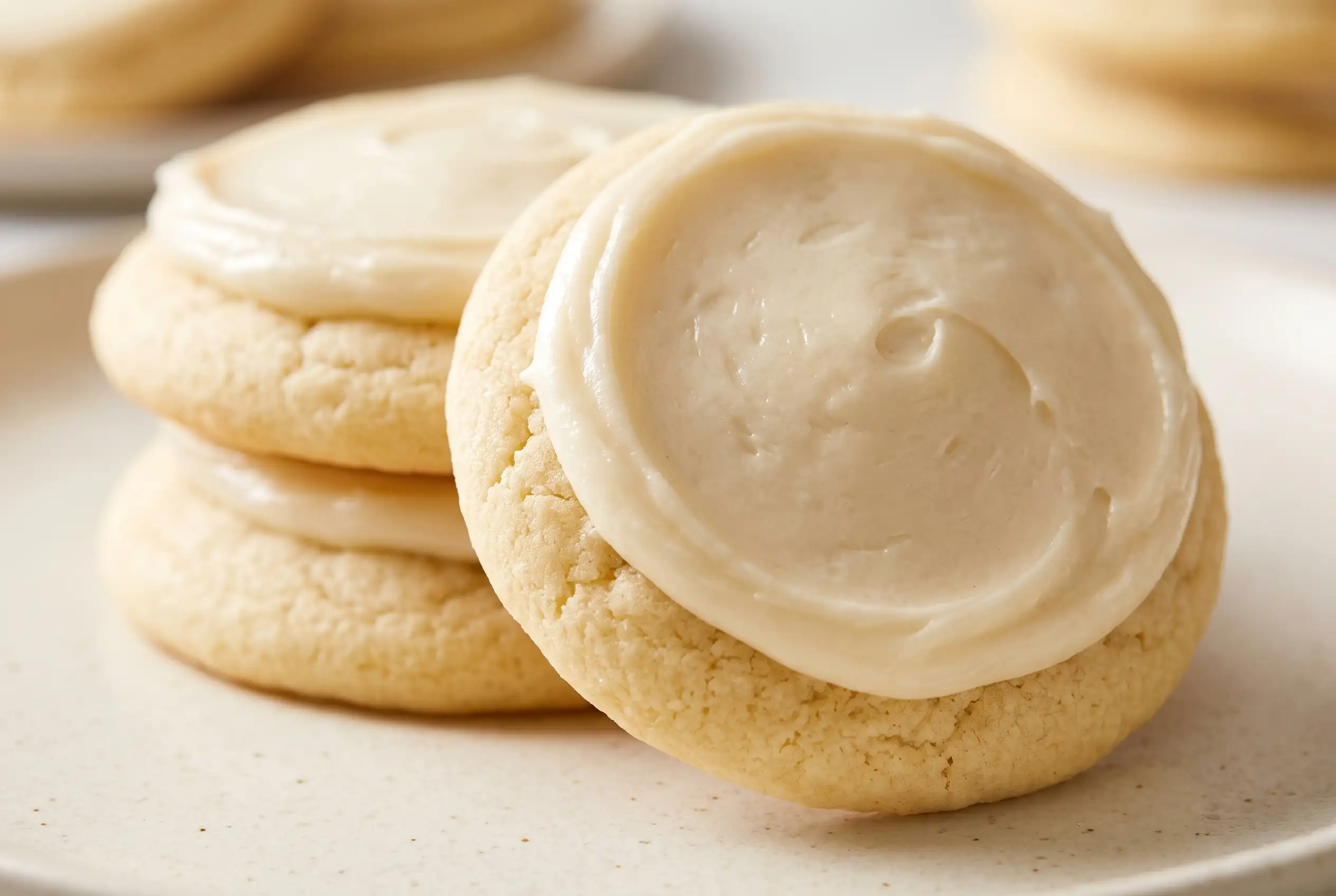
Fluffy sugar cookies bring together a soft, tender crumb and a smooth vanilla frosting that makes them a favorite for holiday trays, celebrations, or simple homemade treats. The combination of sour cream, creamed butter, and a short dough chill creates soft sugar cookies recipe results with a texture that stays pillowy after baking.
Cut out sugar cookies with frosting are easier to manage when the dough is firm enough to roll cleanly and the cookies are allowed to cool before decorating. A few careful choices with mixing, baking, and frosting help preserve the soft center that makes these cookies stand out.
Why Make Fluffy Sugar Cookies for Any Occasion
Fluffy sugar cookies are a practical choice when you want decorated cookies without complicated techniques. The dough uses familiar baking ingredients, and cookie cutters turn the chilled dough into neat shapes or simple circles.
The soft texture comes from balancing the creamed butter mixture with sour cream and a combination of baking soda and baking powder. These ingredients help create a tender cookie that supports a layer of vanilla frosting without becoming dry.
Unlike crisp sugar cookies that rely on a firm snap, these cookies are designed around a softer bite. The short bake time keeps the centers delicate while the edges set enough for handling.
Sour Cream and Butter Create Tender Cookie Texture
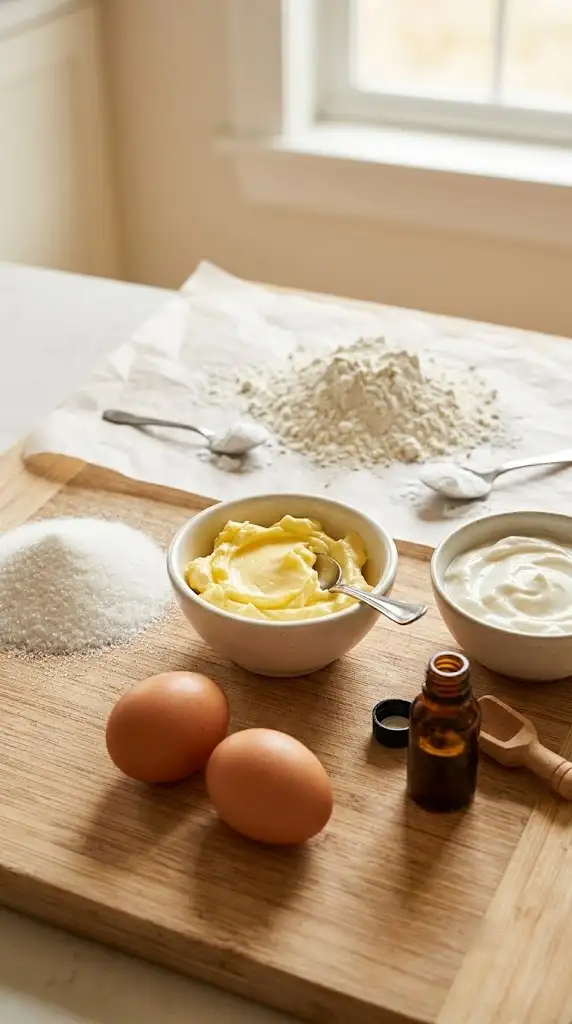
The ingredient choices have an important effect on the finished cookies. Softened butter is creamed with sugar to add lift, while sour cream contributes moisture that helps the cookies stay tender after baking.
| Ingredient choice | Role in the dough | Result in cookies |
|---|---|---|
| Softened butter | Creates a creamed base | Light texture with gentle rise |
| Sour cream | Adds moisture | Soft, tender centers |
| Baking soda and baking powder | Provide leavening | Pillowy cookie structure |
Using room-temperature ingredients helps the mixture combine smoothly. A well-emulsified dough spreads evenly during baking and gives the cookies a consistent texture from edge to center.
Chilling Shapes the Cut Out Sugar Cookies with Frosting
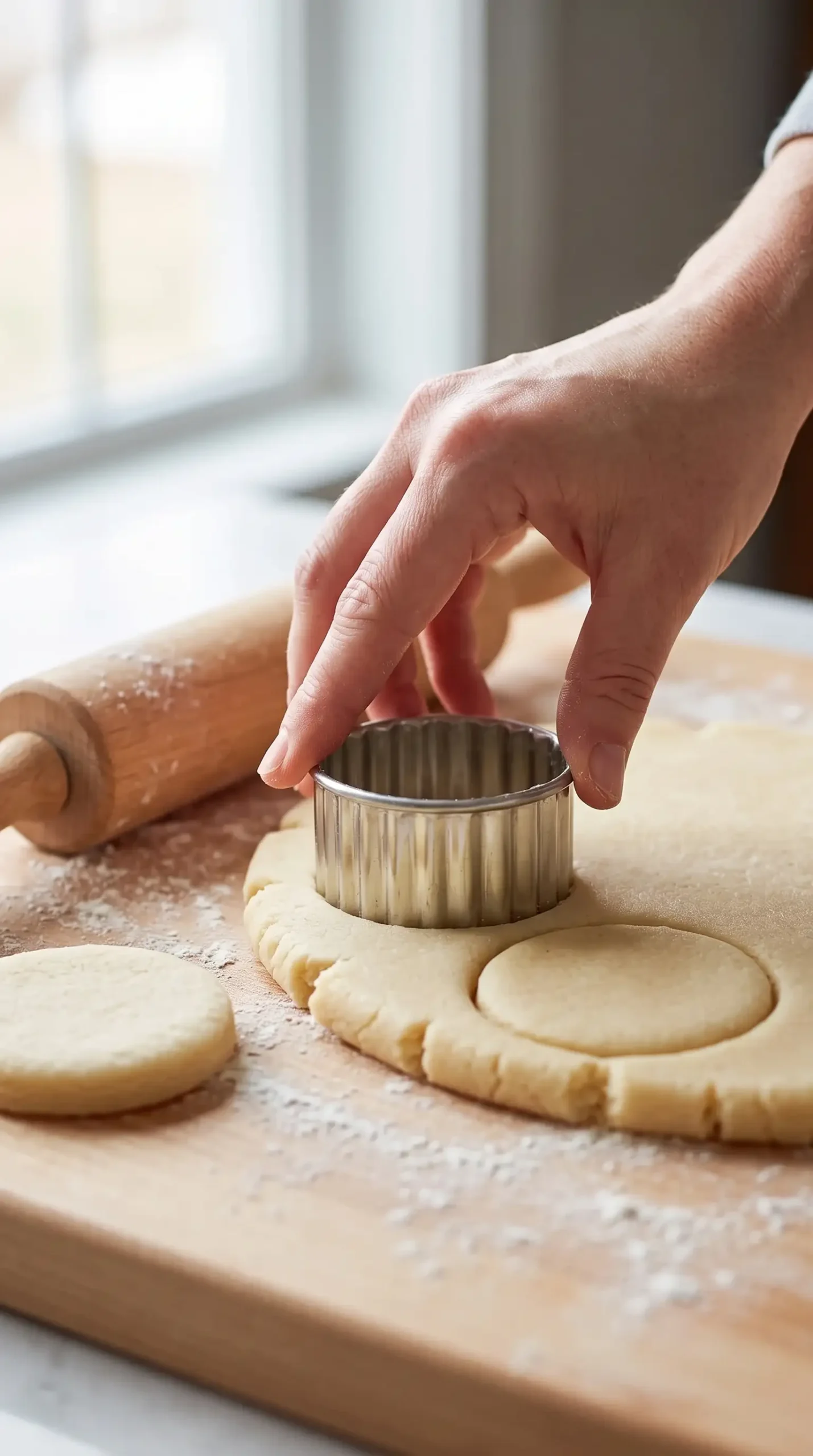
The chilled dough is easier to handle because refrigeration firms the soft mixture before rolling. This makes it possible to cut circles or other shapes with cleaner edges.
- Firm dough: Helps prevent sticking while rolling.
- Gentle handling: Keeps the cookies tender after mixing.
- Even thickness: Supports consistent baking across the batch.
Rolling the dough to an even thickness gives each cookie a similar baking time. A floured surface helps the dough release while keeping the shapes intact.
Rolling and Baking Control for Soft Centers
The most important execution decisions happen after the dough is prepared. Rolling too aggressively or baking too long can change the texture that makes fluffy sugar cookies special.
The cookies are rolled to about 1/4 inch thick and baked at a high temperature for only a few minutes. This quick bake sets the outside while protecting the soft interior.
Watch closely near the end of baking because even a small increase in time can remove moisture from the centers. Cooling completely before frosting also protects the smooth icing finish.
Vanilla Frosting Gets a Smooth Spreadable Finish
The vanilla frosting combines softened butter, Crisco, powdered sugar, hot water, heavy cream, and vanilla. The mixture is whipped with an electric mixer until it becomes smooth and easy to spread, creating the right consistency for sugar cookie frosting for cut-out cookies.
Hot water helps adjust the consistency, allowing the frosting to move across the cookie surface without becoming difficult to apply. Adding the water gradually gives better control over the texture.
The frosting sets lightly after resting, which makes the decorated cookies easier to stack or arrange for serving.
Cookie Serving Ideas for Fluffy Sugar Cookies
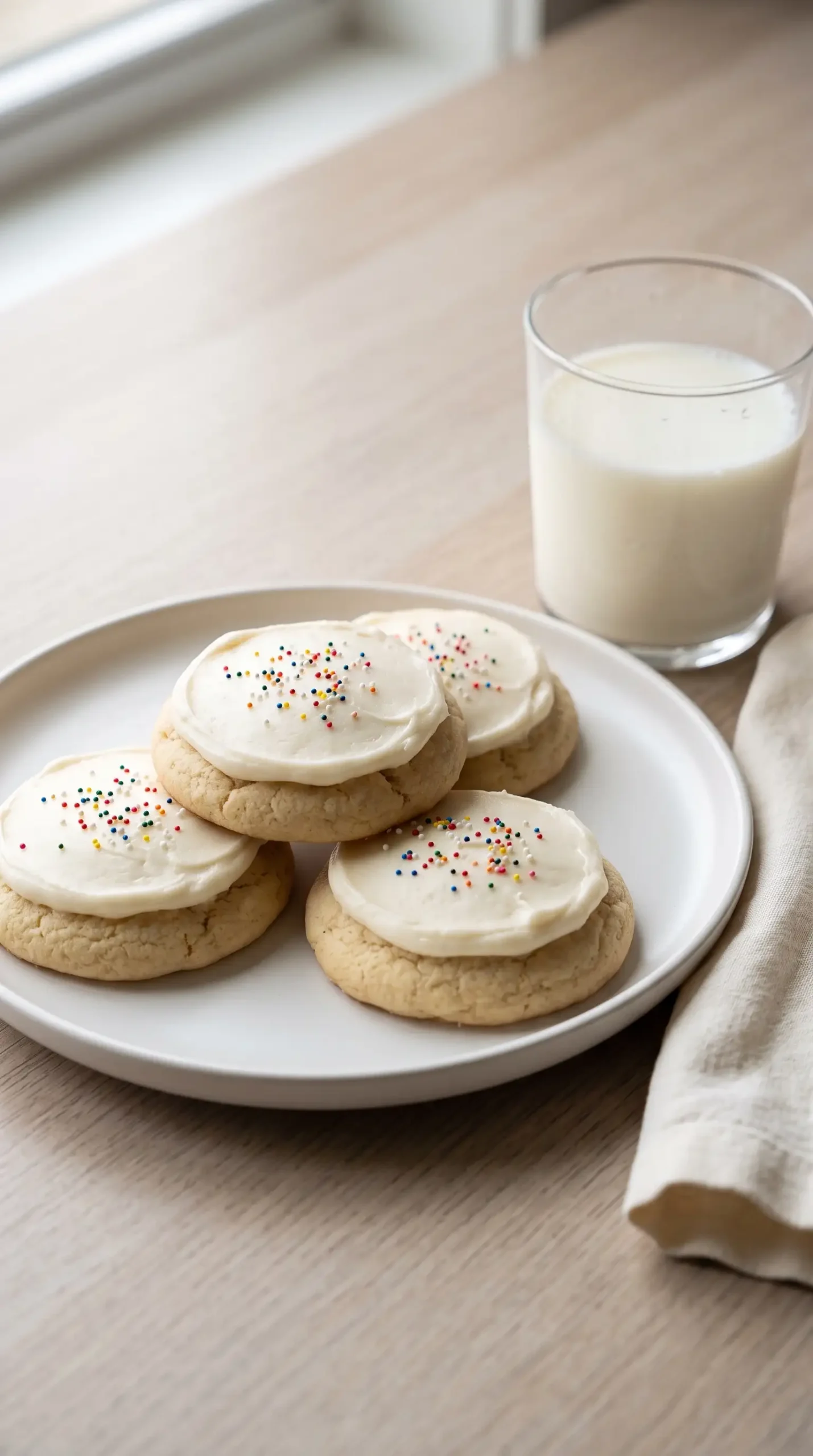
Serve fluffy sugar cookies at room temperature so the frosting remains soft but stable. A plate lined with parchment creates an easy presentation for parties and gatherings.
Milk, tea, and coffee all pair naturally with the sweet vanilla flavor. Simple sprinkles or piped borders can add decoration without changing the classic cookie style.
Storage Keeps Frosted Cookies Soft
| Storage method | Cookie condition | Recommended handling |
|---|---|---|
| Airtight container | Frosted cookies | Keep separated with parchment |
| Refrigerator | Longer storage | Bring back to room temperature before serving |
| Freezer bag | Unfrosted cookies | Thaw fully before decorating |
Frosted cookies can be stored at room temperature in an airtight container. Separating layers helps protect the frosting surface and keeps the cookies looking neat.
Decorating Choices for Holiday Cookie Trays
The vanilla frosting creates a simple base for seasonal decorations. Sprinkles, colored frosting, or piping details can change the appearance while keeping the same soft cookie texture.
For a different presentation, two cookies can be placed together with a thin frosting layer between them. The sturdy but tender texture makes them suitable for creative arrangements.
Tips for Better Fluffy Sugar Cookies
Small preparation choices can improve the final texture and appearance of the cookies.
- Cream thoroughly: Beat butter and sugar until light before adding the remaining dough ingredients.
- Chill completely: Refrigerate the dough so rolling and cutting stay manageable.
- Cool before decorating: Wait until cookies are fully cool so frosting stays in place.
- Adjust frosting slowly: Add hot water gradually to reach the desired spreadability.
These details help maintain the soft texture expected from fluffy sugar cookies with vanilla frosting while making the decorating process smoother.
Mistakes That Affect Fluffy Sugar Cookies Texture
Overmixing after the flour is added can create a tougher cookie. Mix only until a soft dough forms, then move to the chilling stage.
Skipping refrigeration can make the dough harder to roll and may lead to less defined shapes. The chilled texture is important for clean cut-outs.
Warm cookies and frosting do not work well together because the icing can soften too much and slide. Cooling the cookies first gives the frosting a better surface to hold onto.
Flavor Variations for Vanilla Frosting
The classic vanilla flavor can be adjusted with small additions that fit the same cookie base. Almond or lemon extract can replace part of the vanilla in the frosting for a different flavor direction.
Citrus zest can also be added to the dough for a brighter taste. A gluten-free flour blend designed as a 1:1 replacement can be used while reducing pressure during rolling.
Understanding Cookie Texture Changes
Texture depends on how the dough is mixed, chilled, rolled, and baked. The balance of creaming, moisture, and leavening creates the soft structure associated with these cookies.
The frosting also changes how the cookies are enjoyed. A smooth layer adds sweetness and creates a finish that works well for decorated cookies without requiring complex techniques.
Planning Cut Out Sugar Cookies with Frosting
Preparing the dough ahead gives the cookies a better chance of holding their shape during rolling. The chilled dough can be handled more easily when creating evenly sized cookies.
Keeping the frosting ready while cookies cool creates a simple decorating flow. Once the cookies reach room temperature, the smooth vanilla topping can be added without affecting the texture.
Fluffy Sugar Cookies Stay Soft Through Careful Handling
Fluffy sugar cookies achieve their signature texture through a combination of tender dough, controlled baking, and a smooth frosting finish. The most important choices happen before and after baking: keeping the dough chilled, avoiding overbaking, and waiting for complete cooling before decorating.
Soft centers and stable frosting make these cookies dependable for sharing. Careful handling preserves the pillowy crumb that separates them from firmer sugar cookie styles.
Soft Centers and Frosting Questions
What keeps the cookie centers soft?
Sour cream and the creaming process help create a tender texture. The short bake time also helps maintain moisture in the center of each cookie.
How can frosting stay smooth on the cookies?
Let the cookies cool fully before applying frosting. The frosting spreads more evenly when the surface is cool and the icing consistency has been adjusted with hot water.
Why does the dough need chilling before cutting?
Chilling firms the dough so it is easier to roll and cut into clean shapes. It also helps prevent the dough from becoming difficult to manage during preparation.
Can the frosting flavor be changed?
Yes. Part of the vanilla can be replaced with almond or lemon extract, and gel food coloring can be mixed in gradually for different decorative colors.
How should unfrosted cookies be frozen?
Place unfrosted cookies flat until firm, then transfer them to a freezer bag. Thaw completely before adding frosting so moisture does not collect on the surface.
Fluffy Sugar Cookies with Smooth Vanilla Frosting
Fluffy sugar cookies with smooth vanilla frosting are soft, tender treats with a creamy sweet topping. They are a classic dessert choice for holidays, gatherings, or whenever you want a homemade frosted cookie.
Ingredients
Method
Preparation
- Beat the softened butter and sugar together until the mixture is combined and lightened.
- Mix in the eggs, egg yolk, sour cream, and vanilla until evenly incorporated.
- Add the baking soda, baking powder, and flour, mixing until a soft cookie dough forms.
- Cover the dough and refrigerate for 4 to 6 hours.
Baking
- Roll the chilled dough on a floured surface to a 1/4 inch thickness.
- Cut the dough into 2 1/2 inch circles and arrange the cookies for baking.
- Bake the cookies at 425°F / 220°C for 3 to 4 minutes, until the edges are just set.
- Let the cookies cool completely before frosting.
Frosting
- Beat the softened butter, Crisco, powdered sugar, hot water, heavy cream, and vanilla with an electric mixer until smooth and spreadable.
Assembly
- Spread the vanilla frosting over the cooled cookies and allow the frosting to set lightly for a few hours.
Notes
Chilling the dough before rolling and cooling the cookies completely before frosting helps preserve their soft texture and smooth icing.