
From morning breakfasts to evening dinners, Tasteza Recipes offers quick and easy recipe ideas, featuring everything from wholesome meals to delicious desserts for every moment and every occasion.


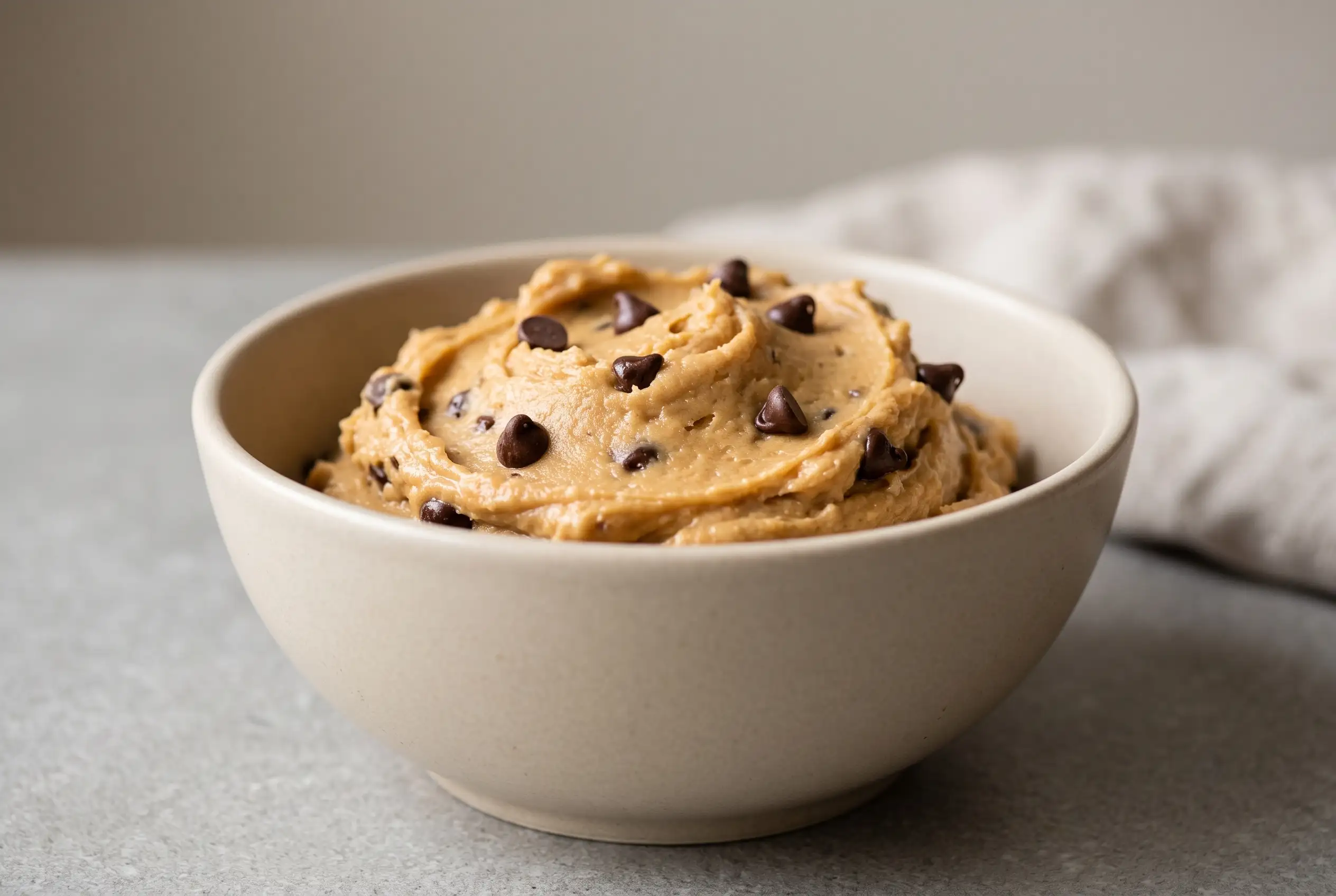
Peanut butter cookie dough brings together familiar chocolate chip cookie flavors with a softer, more flexible texture created from chickpeas, oats, flour, and peanut butter. The result is a tender dough with a mild peanut flavor, chocolate pieces throughout, and the option to enjoy it chilled or bake it into quick cookies.
Unlike a traditional cookie dough made around eggs and a larger amount of fat, this version uses mashed chickpeas for structure and moisture. That approach creates an easy treat for anyone looking for an edible peanut butter cookie dough recipe with a short preparation process and a familiar dessert taste.
Chickpeas and Peanut Butter Shape Chocolate Chip Cookie Dough
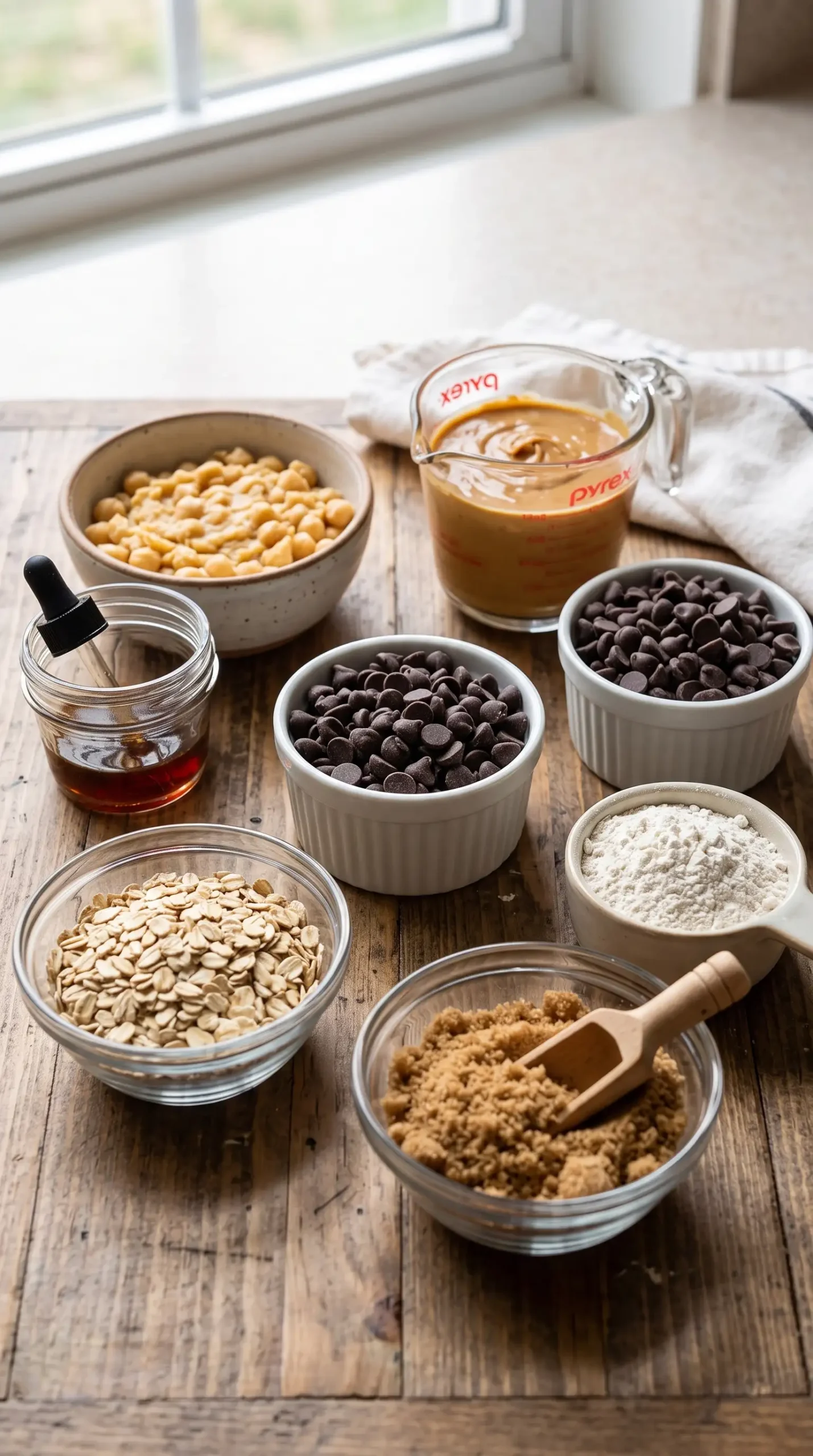
Mashed chickpeas are the ingredient choice that gives the dough its distinctive character. Once blended until smooth, they provide bulk and help create a creamy base that works with the sweetness of brown sugar and the richness of peanut butter.
Peanut butter determines much of the finished flavor and texture. Creamy peanut butter blends easily into the dough, while crunchy varieties can add small pieces for extra texture. Oats and flour help balance the moisture level so the dough can be scooped, rolled, or prepared for baking.
Balancing peanut butter with oats is important because the dry ingredients affect whether a dough stays soft after chilling or becomes easier to shape. Recipes for peanut butter oatmeal cookies use these ingredients in a baked cookie format where measuring and mixing still influence the final texture.
| Component | Role in the dough | Useful choice |
|---|---|---|
| Chickpeas | Add structure and moisture | Drain and rinse before blending |
| Peanut butter | Creates peanut flavor and richness | Use creamy for a smoother texture |
| Oats and flour | Balance the soft mixture | Measure flour carefully for consistency |
Raw Dough or Baked Cookies Change the Serving Experience
Chocolate chip peanut butter cookie dough works in two different ways depending on how it is served. The chilled dough offers a soft, scoopable snack, while baking transforms the same mixture into cookies with slightly set edges and a chewy center.
Cookie dough balls are especially practical because the mixture can be portioned before storage. Rolling the dough into individual portions makes it simple to enjoy a small treat later without preparing a fresh batch.
- Chilled portions: Serve the dough cold for a soft snack with a cookie dough texture.
- Baked portions: Bake until the cookies are just set to maintain a softer center.
- Finished touches: Add extra chocolate chips or a peanut butter drizzle for serving.
Small Batches Make Peanut Butter Cookie Dough Balls Easy to Share
Portioning the dough into individual pieces creates a convenient way to serve the dessert. The finished amount can be divided into cookie dough balls or cookies using a standard tablespoon or small scoop.
Sharing becomes easier when each portion is already shaped. The dough can move from the refrigerator to a snack plate, or selected portions can be baked while the rest remain stored for later.
Mixing Control Keeps the Dough Scoopable and Chewy
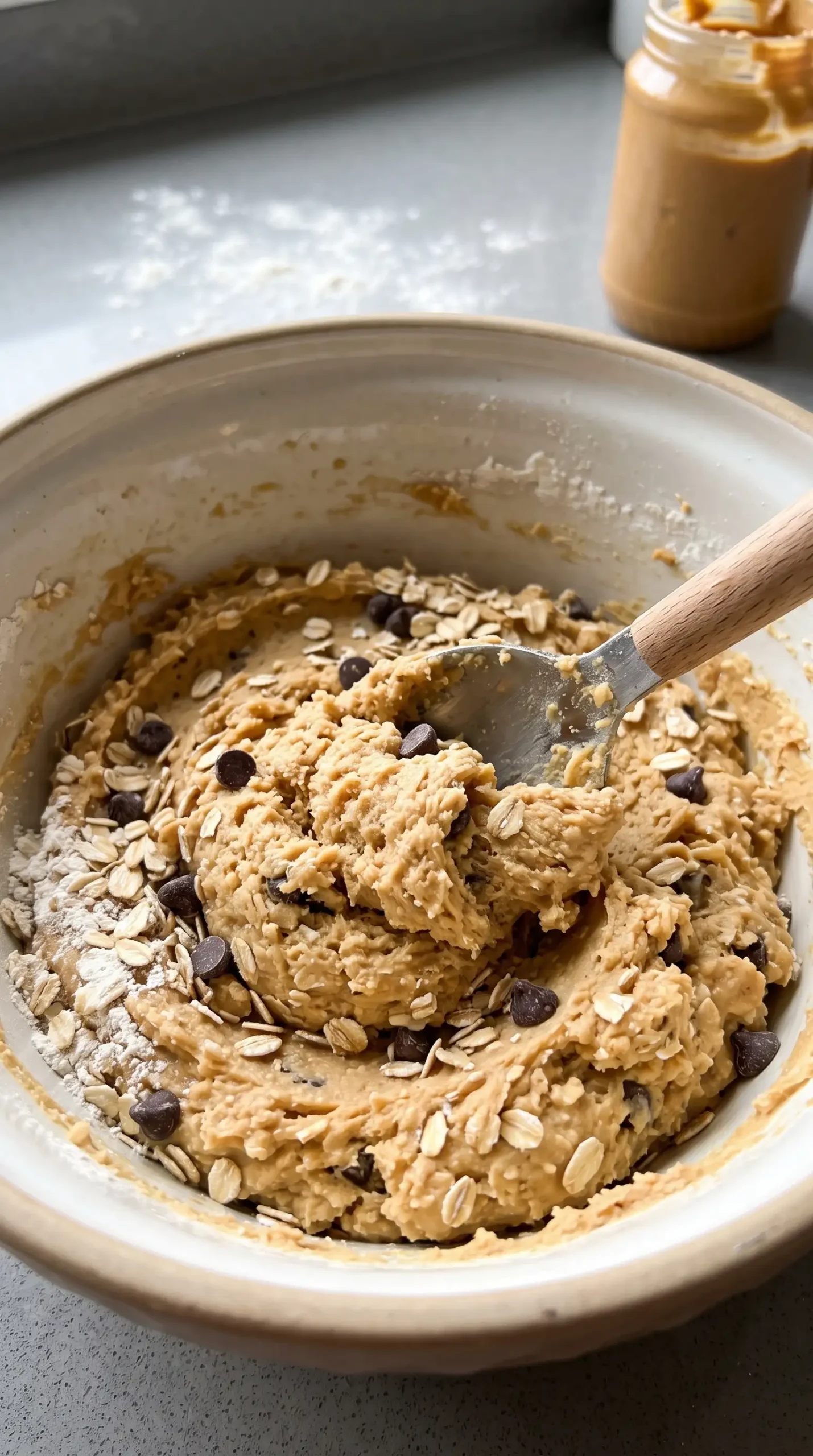
Texture depends heavily on how the ingredients are combined. A smooth chickpea mixture creates the base, while careful mixing after adding the dry ingredients prevents the dough from becoming uneven or difficult to handle.
Kitchen technique matters most when working toward the right consistency. These choices help maintain the intended texture:
- Smooth chickpeas: Blend until creamy so the dough does not contain noticeable pieces.
- Measured flour: Spoon flour into the measuring cup and level it to prevent a dry mixture.
- Chilled dough: Refrigerate sticky dough briefly before scooping when needed.
Baking requires another layer of control. Cookies should leave the oven when the edges are set and the centers still appear slightly soft because they continue to firm as they cool.
Chocolate Chip Peanut Butter Cookie Dough Mistakes That Affect Texture
Several small errors can change the final result of peanut butter cookie dough. Paying attention to the chickpea texture, flour amount, and baking point helps preserve the soft consistency that makes this dessert appealing.
| Mistake | What can happen | Better approach |
|---|---|---|
| Overprocessing chickpeas | The dough may become gummy | Stop once the mixture is smooth and creamy |
| Adding too much flour | The dough can become dry | Measure flour by spooning and leveling |
| Overbaking cookies | The texture can become firmer | Remove cookies when centers are slightly underdone |
Peanut butter consistency also matters. Oily peanut butter should be stirred before use so the mixture receives an even amount of peanut flavor and texture.
Storage Choices Protect Peanut Butter Cookie Dough Texture
Refrigeration keeps raw dough ready for later snacking while maintaining its soft texture. An airtight container prevents the dough from drying and helps preserve the balance between peanut butter, chocolate chips, and the blended base.
Freezing offers a longer storage option for prepared dough portions. Firming dough balls on a baking sheet before transferring them to a sealed freezer bag helps keep portions separate until they are needed.
Baked cookies follow a different storage approach. Keeping them in an airtight container at room temperature helps maintain softness, and parchment layers can prevent pieces from sticking together.
Flavor Variations Fit Different Cookie Dough Preferences
Chocolate chip peanut butter cookie dough can be adjusted while keeping its basic structure. Small ingredient changes can shift the flavor, texture, or suitability for different preferences.
- Nut-free option: Replace peanut butter with sunflower seed butter and choose allergy-friendly chocolate chips.
- Extra texture: Add chia or flaxseed to the dry ingredients for a different bite.
- Different flour style: Use whole wheat flour for a denser, nuttier cookie or regular flour for a lighter texture.
- Chocolate balance: Choose dark chips for less sweetness or mini chips for more even distribution.
Serving Ideas Turn Cookie Dough Into a Flexible Treat
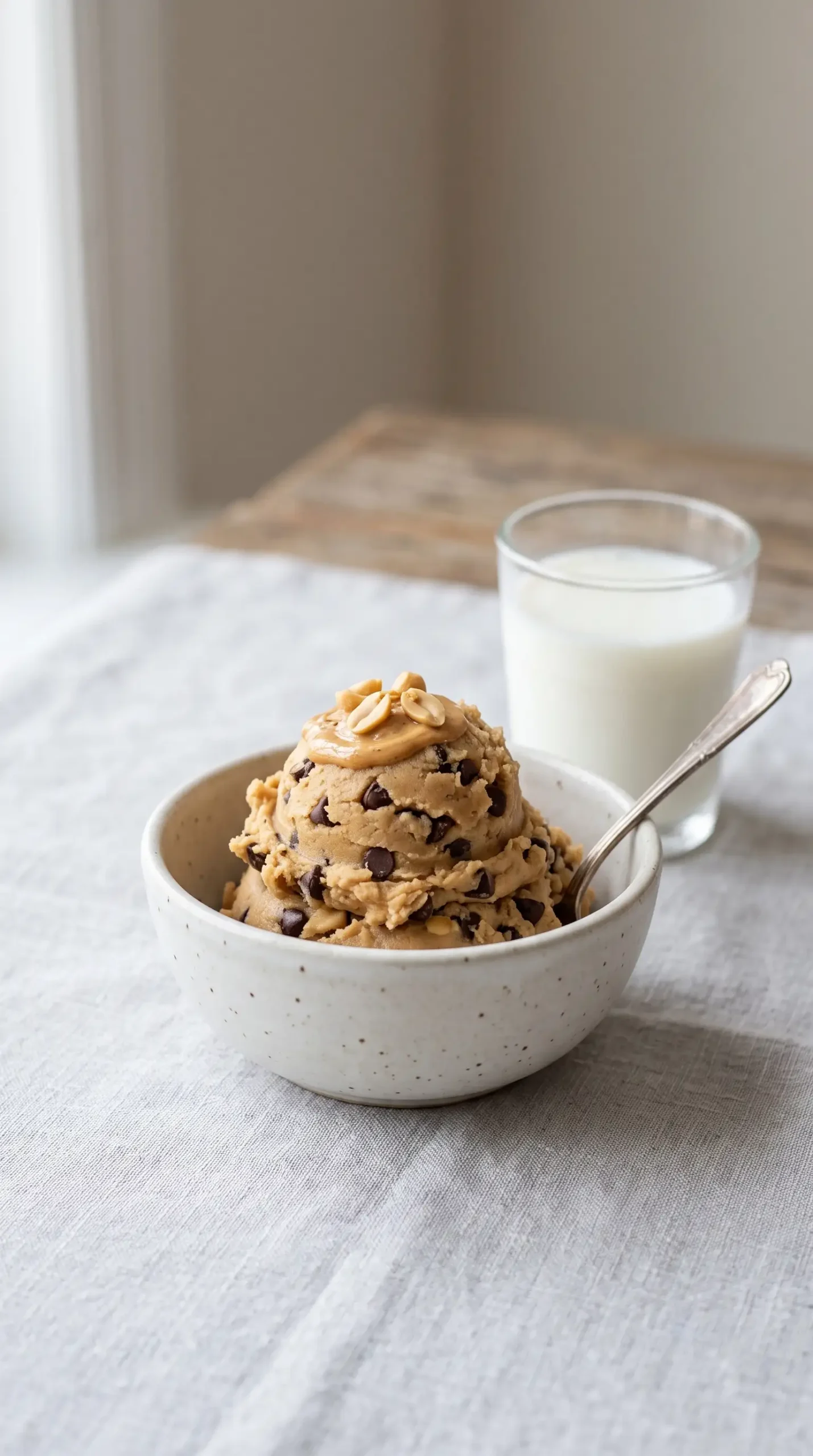
Serving style changes the experience without requiring a different preparation. The chilled dough can stand alone as a snack, while baked cookies create a warm dessert option.
Cold milk, unsweetened almond milk, or coffee pair naturally with the peanut and chocolate flavors. A small garnish, such as extra chips or melted peanut butter, can make the finished treat look more polished.
A Safer Approach Keeps Edible Peanut Butter Cookie Dough Ready
An edible peanut butter cookie dough recipe needs careful attention to ingredients intended for raw enjoyment. The optional egg whites should be pasteurized before raw use if included, or they can be omitted completely.
The chickpeas should always be drained and rinsed before blending. This step improves the flavor of the dough and removes excess sodium from canned chickpeas.
Texture Adjustments Help Before Chilling or Baking
Small texture changes can often be corrected before serving. Sticky dough benefits from chilling, while a looser mixture may need adjustments that respect the balance created by oats and flour.
Baking preferences can also guide preparation choices. A shorter bake keeps cookies softer, while allowing them to cool fully creates a chewier texture.
Peanut Butter Cookie Dough Shows Its Strength in Simple Texture Choices
Peanut butter cookie dough succeeds because the blended chickpeas, oats, peanut butter, and chocolate chips work together to create a treat that can be enjoyed in more than one form. The most important decisions happen during texture control: smoothing the chickpeas, measuring flour carefully, and stopping baking at the right moment.
That combination keeps the dessert flexible, whether the dough becomes peanut butter cookie dough balls for a chilled snack or cookies with a soft center after baking.
Questions About Texture and Storage
Can I make the dough without egg whites?
Yes. The optional egg whites can be skipped, which keeps the dough suitable for raw enjoyment while maintaining the intended texture from the other ingredients.
Why do my cookie dough balls feel too sticky?
Sticky dough can usually be improved by chilling it for a short period before shaping. Cooling helps the mixture become firmer and easier to portion.
Can crunchy peanut butter be used in peanut butter cookie dough?
Crunchy peanut butter works well if you prefer added texture. Creamy peanut butter creates a smoother result and blends more evenly with the chickpea mixture.
How should frozen dough be prepared before eating or baking?
Frozen dough portions should thaw in the refrigerator overnight before serving or using them for baking.
Why do baked cookies need to come out before they look fully firm?
Cookies continue setting after leaving the oven. Removing them when the centers are slightly underdone helps keep the finished texture softer.
Chocolate Chip Peanut Butter Cookie Dough with Chickpeas
Chocolate Chip Peanut Butter Cookie Dough is a creamy, indulgent treat with a soft cookie dough texture and rich chocolate peanut butter flavor. It is an easy dessert option for enjoying as dough or as homemade cookies.
Ingredients
Method
Preparation
- Mix the brown sugar with the margarine or butter in a large bowl until well combined.
- Add the chickpeas, optional egg whites, and vanilla, then blend the mixture until the chickpeas are smooth.
- Stir in the peanut butter until evenly incorporated.
- Add the flour, rolled oats, baking soda, and salt, then mix until a soft dough forms.
- Gently fold the chocolate chips into the dough.
- Serve immediately, refrigerate the dough in an airtight container, or freeze shaped dough balls for later use.
Baking
- For baked cookies, heat the oven to 350°F / 175°C.
- Scoop the dough into cookies and bake for 7-10 minutes, until the edges are set and the centers remain slightly underdone.
- Allow baked cookies to cool before serving for a softer, chewier texture.
Notes
For raw dough, use pasteurized egg whites or leave out the egg whites.