
From morning breakfasts to evening dinners, Tasteza Recipes offers quick and easy recipe ideas, featuring everything from wholesome meals to delicious desserts for every moment and every occasion.


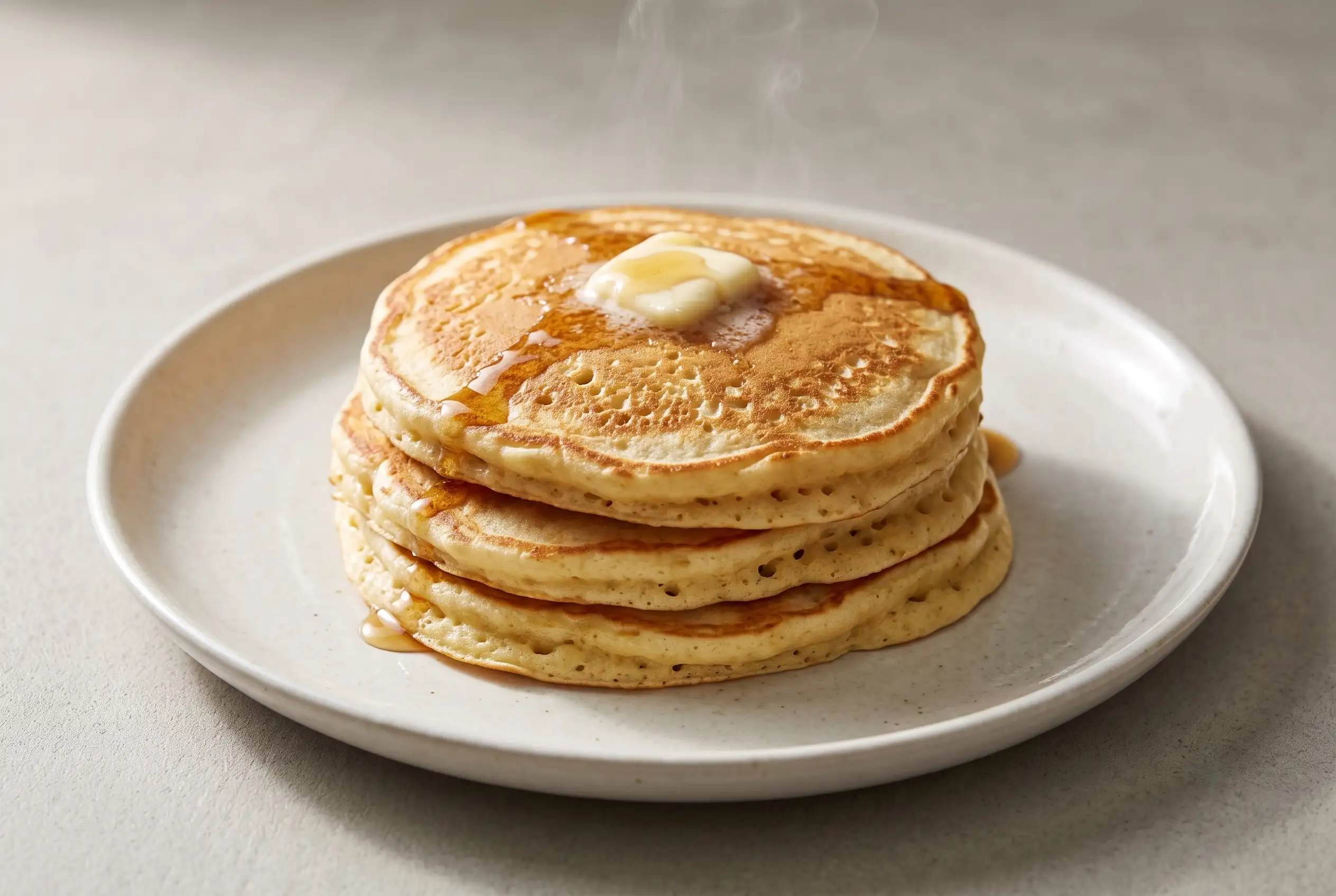
Fraction pancakes bring a practical approach to breakfast when you want a measured batter, familiar ingredients, and dependable results. This easy one cup pancake recipe focuses on a manageable batch size with a light texture, golden surface, and simple preparation that works well for everyday cooking.
Busy mornings often call for homemade pancakes with one cup flour because the process feels approachable without requiring extensive planning. The balanced portions make these pancakes useful for solo breakfasts, smaller households, or casual meals where you want control over the amount prepared.
Why Small Batches Fit Fraction Pancakes
Small portions make breakfast preparation easier when you want fresh pancakes without excess batter. Fraction pancakes use straightforward measurements that can be repeated consistently, making the cooking process comfortable for newer cooks and experienced home bakers alike.
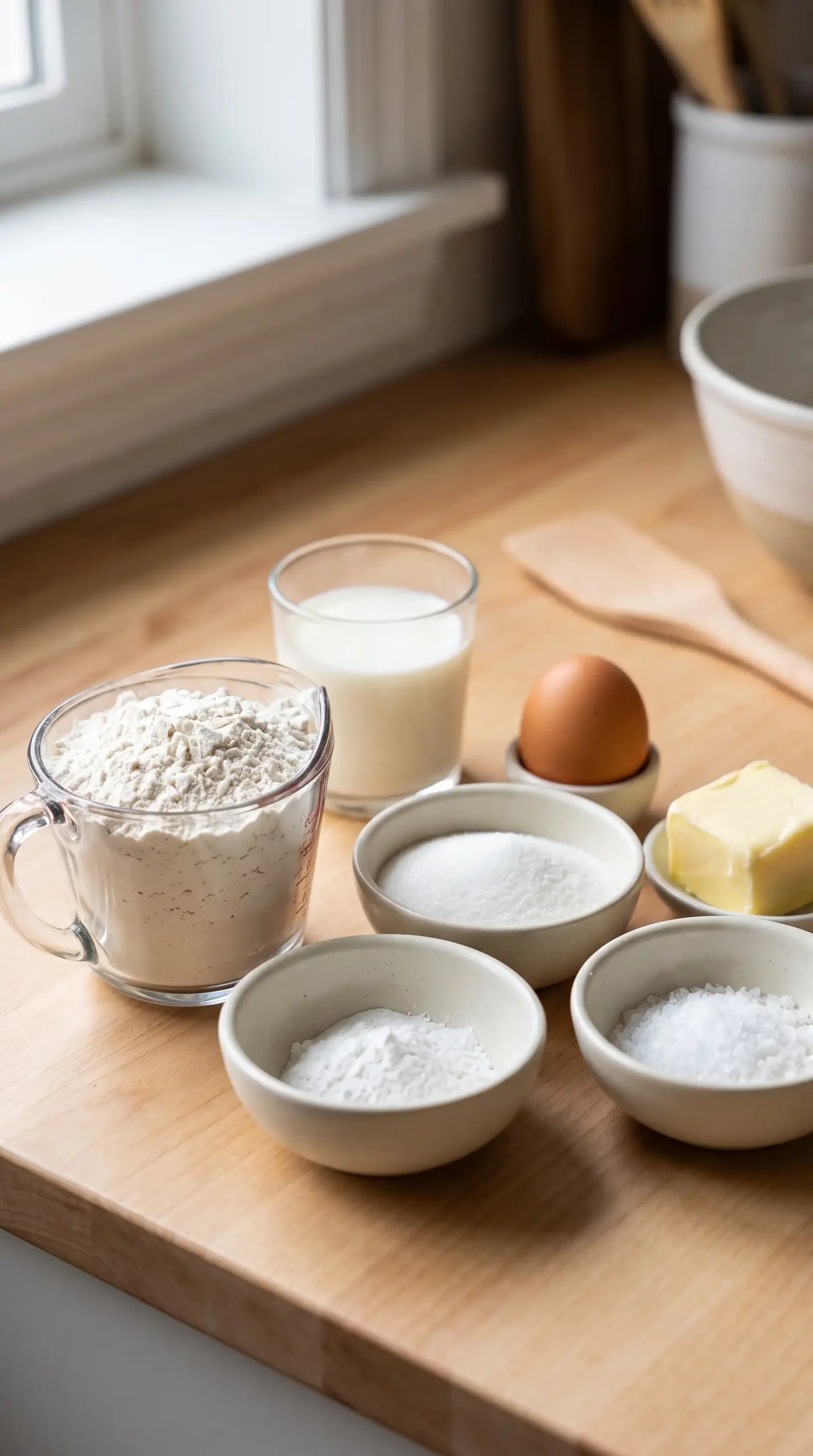
Simple ingredients keep the pantry requirements low. Flour, sugar, baking powder, salt, milk, egg, and butter combine into a familiar pancake base, allowing the mixture to come together without an extra shopping trip or complicated equipment.
Flexible quantities are another advantage of this style of cooking. The measured structure can be adjusted when you need fewer or more pancakes, while maintaining the same approach to mixing and portioning.
Flour and Leavening Choices That Shape Pancake Texture
Ingredient balance matters most when building the character of fraction pancakes. All-purpose flour creates the foundation, while baking powder supports the lighter texture associated with these pancakes; accurate measuring keeps the batter consistent and helps the finished pancakes cook evenly.
Batter Texture Controls for Better Fraction Pancakes
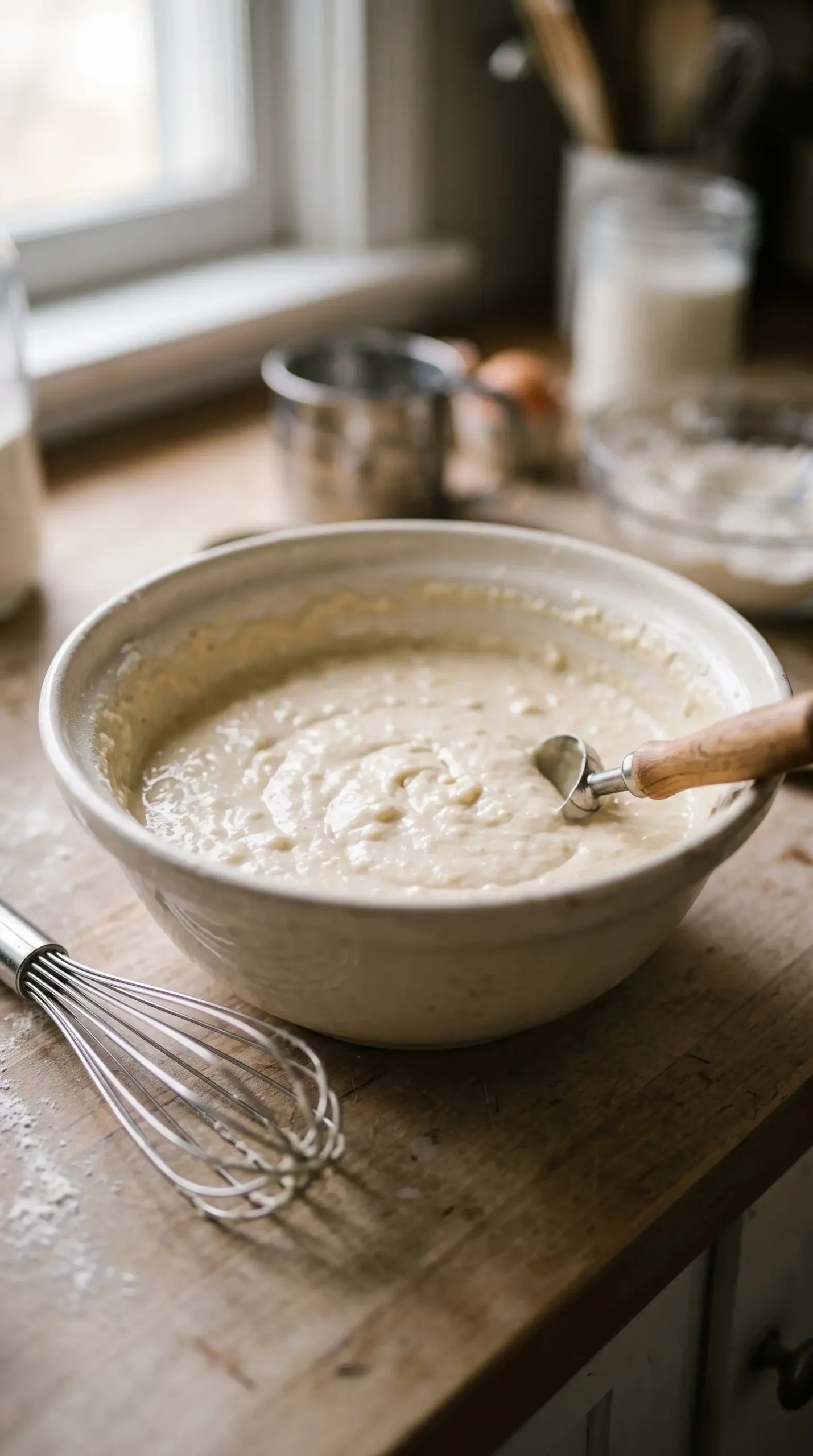
Mixing technique has a direct effect on the finished pancakes. Combining dry and wet ingredients separately before bringing them together helps organize the batter and reduces unnecessary stirring during the final mixing stage.
Gentle handling keeps the texture tender. The batter only needs to be mixed until combined, and small lumps are acceptable because continued stirring can make pancakes heavier.
Cooking conditions also influence the result. A medium-hot pan supports gradual browning, while even portions from a 1/4 cup scoop help each pancake finish cooking at a similar pace.
Serving Ideas That Complete Fraction Pancakes
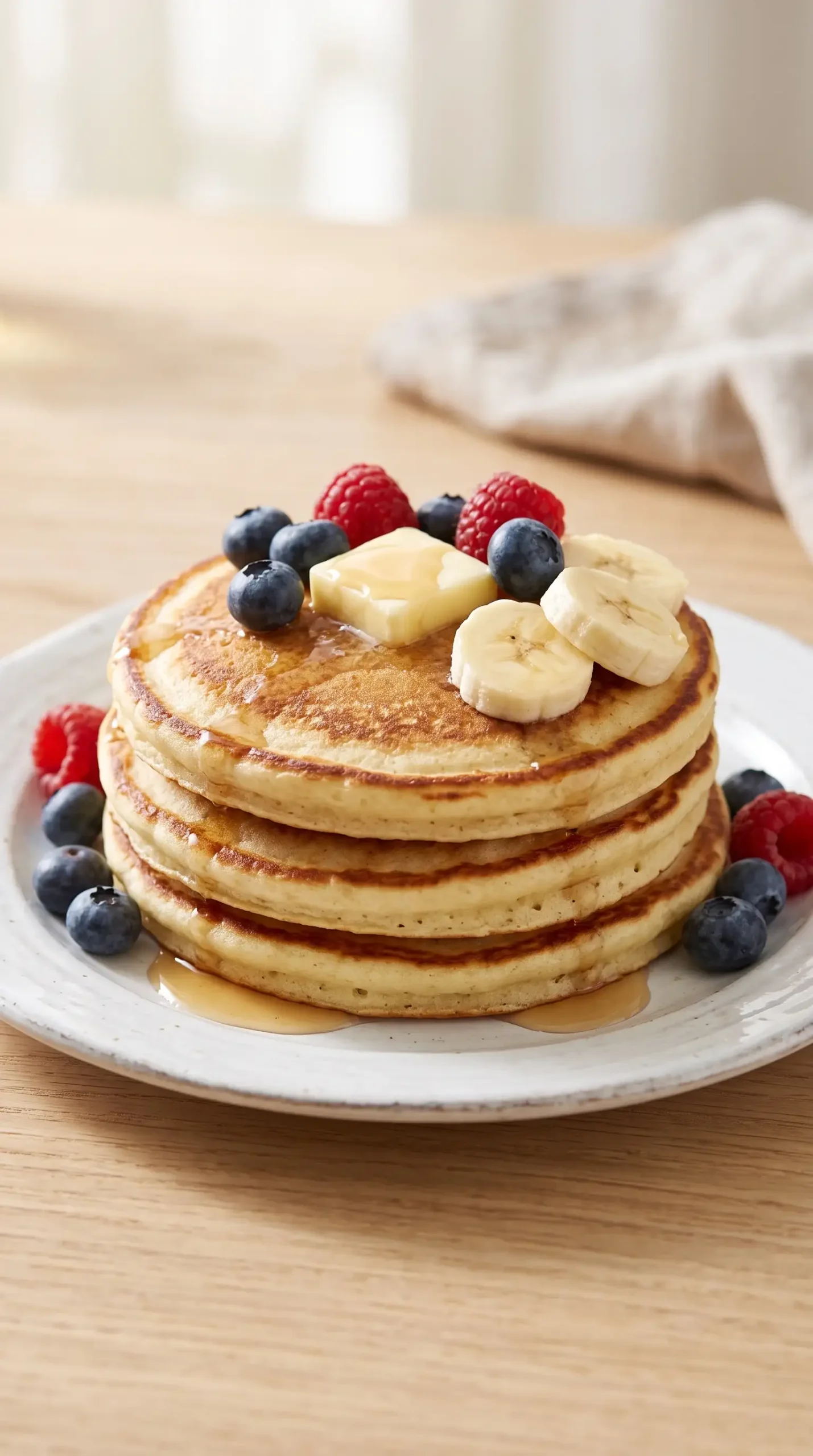
Warm stacks pair naturally with butter, maple syrup, fruit, or fruit compote. Fresh berries and sliced bananas add contrast, while toppings such as Greek yogurt, flaky salt, ham, or an egg create options for a sweeter or more savory breakfast.
Storage Choices Keep Fraction Pancakes Ready
Freshly cooked pancakes have the best texture when enjoyed soon after preparation. If they need to wait for serving, keeping them covered for a short period helps preserve their softness.
Refrigeration provides a longer option for leftovers. Pancakes can be stored in an airtight container for up to 2 days, helping you prepare ahead while keeping them available for quick breakfasts.
Freezing works well when you want to save a larger batch. Once cooled, pancakes can be separated with parchment in a freezer bag and reheated in a toaster or oven. Gentle warming helps prevent the texture from becoming dry.
Mistakes That Affect Fraction Pancakes Texture
Common problems usually come from handling or heat control. Avoid overmixing because dense pancakes can result, and watch the pan temperature because excessive heat may brown the outside before the center finishes cooking.
Easy Changes for a One Cup Pancake Recipe
Flavor variations can be added without changing the simple foundation. Blueberries or chocolate chips can be folded into the batter before cooking, while cinnamon roll pancakes bring warm spice and sweetness to a pancake-style breakfast.
Different liquids can also adjust the character of the pancakes. Replacing part of the milk with buttermilk creates a richer flavor, while other substitutions should preserve the batter consistency needed for even cooking.
Alternative flours offer another way to customize the batch. Up to half of the flour can be replaced with whole-wheat flour or oat flour, with a small increase in liquid when needed to maintain the proper texture.
Portioning Pancakes With Consistent Results
Even sizing improves the cooking experience because each pancake reaches the right stage at a similar time. Using the same scoop for every portion creates a predictable batch and makes flipping easier to manage.
- Accurate measuring: Keep flour and other ingredients level and consistent for a dependable batter.
- Heat awareness: Adjust the pan if the exterior browns too quickly before the inside cooks.
- Clean cooking surface: Remove burnt bits between batches so new pancakes cook evenly.
- Short batter rest: Allowing the mixture to sit briefly gives the baking powder time to activate before cooking.
Tools and Timing Decisions for Fraction Pancakes
A 10–12 inch nonstick skillet or flat griddle provides useful space for cooking several pancakes. The surface should offer even heat so the portions brown steadily instead of cooking unevenly.
Preparation choices affect the rhythm of breakfast. Having bowls ready for separate wet and dry mixtures, along with a consistent scoop, makes the process smoother from mixing through serving.
| Cooking choice | Useful approach | Reason it helps |
|---|---|---|
| Pan size | Use a 10–12 inch skillet or griddle | Provides space and even heat |
| Batter portion | Use a 1/4 cup scoop | Creates similar pancake sizes |
| Heat level | Cook over medium heat | Supports balanced browning |
Understanding the One Cup Flour Approach
The one cup flour structure makes homemade pancakes with one cup flour easy to remember and repeat. The measurement creates a useful starting point for cooks who want a small batch without working through large quantities.
Measured portions also make adjustments easier. Because the recipe uses clear ratios, cooks can scale the amount while keeping the relationship between the ingredients consistent.
Choosing Toppings and Pairings for Pancakes
Breakfast preferences can guide how these pancakes are served. Sweet toppings highlight the soft, lightly browned pancakes, while savory additions turn the same base into a more substantial meal option.
Keeping Fraction Pancakes Reliable From Batch to Batch
Consistency comes from repeating the important controls: accurate measurements, gentle mixing, suitable heat, and even portions. These choices matter more than adding complexity because they preserve the qualities expected from a simple pancake batter.
Small adjustments can then be made with confidence. Once the basic texture is familiar, toppings, add-ins, and flour changes become easier to manage without losing the character of the pancakes.
Fraction Pancakes Work Best With Simple Control
The batter, portion size, and cooking temperature determine the success of fraction pancakes more than elaborate preparation. A measured approach creates pancakes with a tender interior and lightly crisp exterior while leaving room for personal choices at the table.
Reliable results come from treating each stage as a connected decision. Careful mixing protects the texture, steady heat supports even cooking, and thoughtful storage keeps extra pancakes useful beyond the first serving.
Questions About Fraction Pancakes Texture and Storage
Can fraction pancakes be made ahead?
Yes, pancakes can be prepared in advance and stored properly. Refrigerating them in an airtight container keeps them available for short-term use, while freezing offers a longer storage option.
Why are my pancakes dense instead of tender?
Dense pancakes often result from mixing the batter too much. Stirring only until the dry ingredients are moistened helps maintain a lighter texture.
When should I flip fraction pancakes?
Flip the pancakes when bubbles form and edges set on the surface. These signs indicate the pancake is ready for turning.
Can I change the milk in fraction pancakes?
Yes, plant-based milk can replace regular milk, and neutral oil can replace melted butter when making a dairy-free version.
How can I add flavors without changing the batter?
Fold-ins such as blueberries or chocolate chips can be added before portioning the batter. These additions change the flavor and texture while keeping the preparation approach the same.
Fraction Pancakes Easy One Cup Recipe with Milk and Butter
These easy Fraction Pancakes are soft and tender with a classic buttery flavor, making them a quick and comforting breakfast choice for any morning.
Ingredients
Method
Preparation
- Add the flour, sugar, baking powder, and salt to a bowl and combine the dry ingredients.
- In a separate bowl, whisk together the milk, egg, and melted butter until blended.
- Add the wet mixture to the dry ingredients and stir just until combined, being careful not to overmix.
- Allow the batter to rest for 5 minutes.
Cooking
- Warm a griddle or skillet over medium heat and coat the surface with cooking spray or butter.
- Spoon 1/4 cup of batter onto the heated griddle or skillet for each pancake.
- Cook until bubbles appear on the surface and the edges are set, then turn the pancakes and cook the other side until golden.
- Serve the pancakes warm with butter, fruit, syrup, or other desired toppings.
Notes
Measure the flour using a level cup and stir the batter only until the ingredients are combined to help keep the pancakes tender.