
From morning breakfasts to evening dinners, Tasteza Recipes offers quick and easy recipe ideas, featuring everything from wholesome meals to delicious desserts for every moment and every occasion.


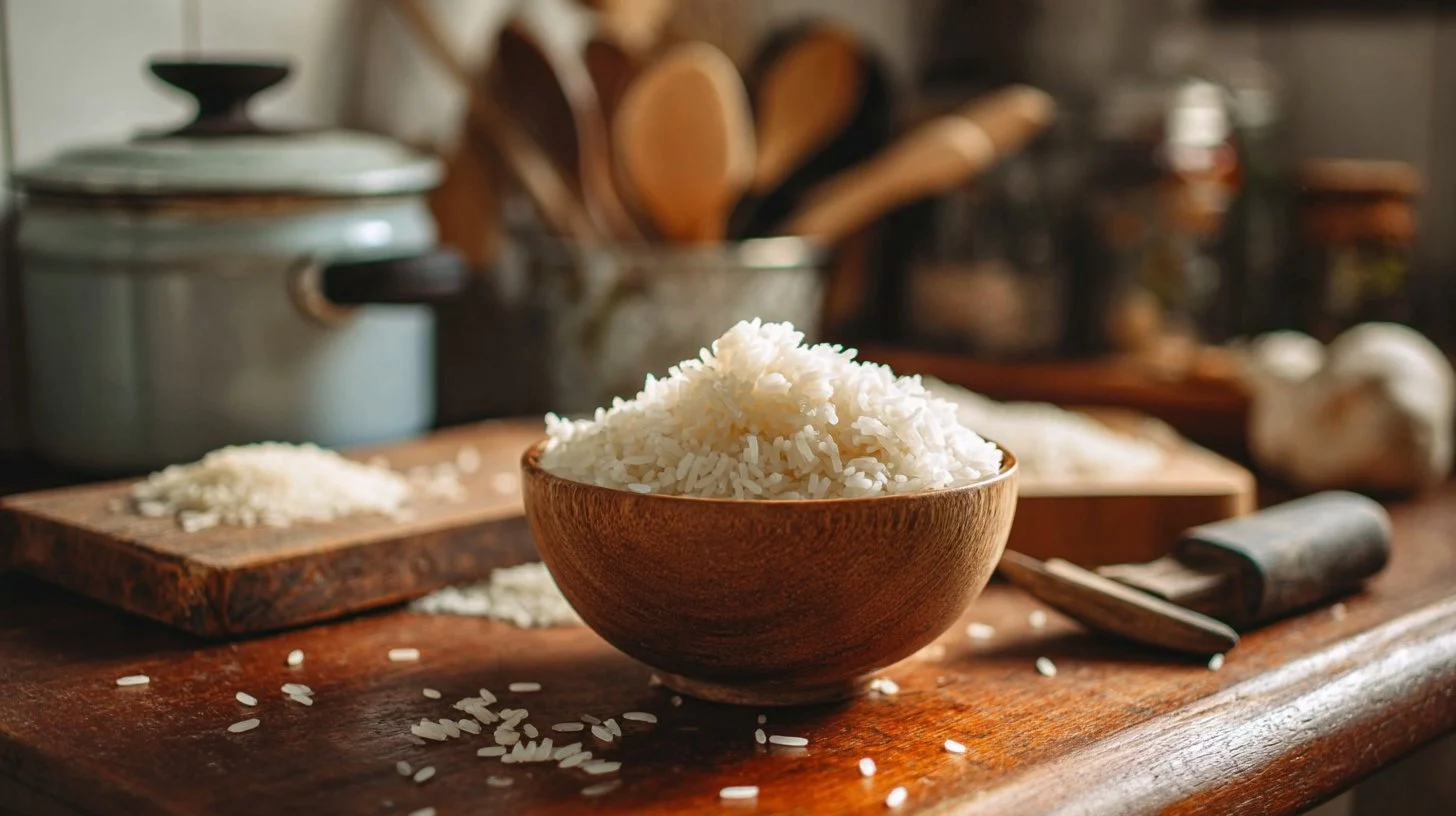
Basic Jasmine Rice is a straightforward side that gives fragrant, slightly sticky grains and a tender, fluffy texture when you follow a reliable ratio and timing. This method focuses on practical steps to get consistent results for weeknight dinners and meal prep.
Many cooks search for this recipe because jasmine rice is a common base for Asian dishes and needs a simple, repeatable approach. The technique here removes guesswork so you can pair the rice with curries, stir-fries, or grilled proteins.
Why Make This Recipe
This recipe is designed for ease and consistency. You use simple pantry ingredients and one pot, so cleanup is minimal.
The total active time is short. Most of the work is hands-off simmering and resting. That makes it suitable for everyday dinners and batch cooking.
It works well when you need a reliable base for quick meals. The method also adapts to a rice cooker or larger quantities without changing the core principles.
How to Make Basic Jasmine Rice
This preparation uses a measured water-to-rice ratio and a gentle simmer to let the grains cook through without breaking. The brief resting period after cooking lets steam redistribute and keeps the final texture fluffy rather than gummy. Rinsing the rice first removes surface starch and helps keep the grains separate.
Ingredients
- 1½ cups jasmine rice
- 2¾ cups water
- ¾ teaspoon salt (optional)
- 1 teaspoon oil (optional)
Directions
- Rinse the rice under cold water until the water is clear.
- Measure rice and water with a 1:1.5 ratio.
- Add a pinch of salt for flavor.
- Bring water to a boil.
- Add rice and stir once.
- Reduce heat to low and cover.
- Simmer for 15 minutes without lifting the lid.
- After cooking, turn off the heat and let it rest, covered, for 10 minutes.
- Use a fork to fluff the rice gently, without mashing it.
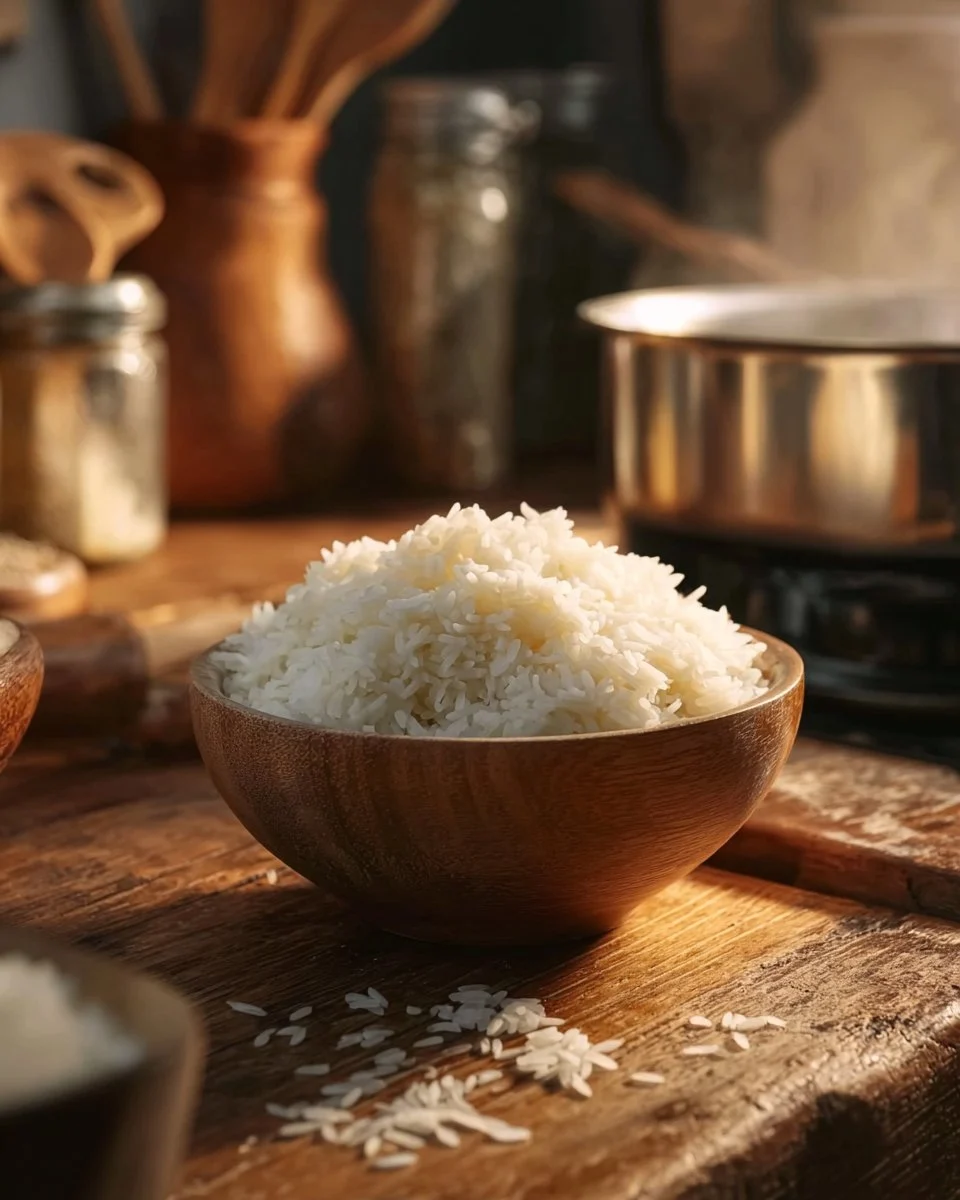
How to Serve Basic Jasmine Rice
Serve jasmine rice hot as the base for saucy dishes like curries and stir-fries. Use a shallow bowl or simple mound on a plate for family-style meals.
Pair it with grilled meats, steamed vegetables, or a citrusy salad to balance the rice’s subtle aroma. For a lighter meal, add a squeeze of lime or a drizzle of soy-based dressing.
Garnish with chopped scallions, toasted sesame seeds, or cilantro for a simple visual and flavor lift. Keep garnishes minimal so the rice remains the neutral base.
How to Store Basic Jasmine Rice
For short-term storage, transfer cooled rice into an airtight container and refrigerate. It keeps well for 3–4 days in the fridge.
For longer storage, freeze portions in freezer-safe containers or bags for up to 1 month. Thaw in the refrigerator overnight and reheat gently.
When reheating, add a splash of water and cover to create steam and restore moisture. Avoid leaving cooked rice at room temperature for more than two hours to reduce the risk of spoilage.
Tips to Make Basic Jasmine Rice
Follow these quick tips to improve texture and consistency.
- Rinse jasmine rice until the water runs clear to remove excess starch.
- Use the 1:1.5 rice to water ratio for reliable results with this quantity.
- Bring the pot to a full boil before adding the rice so timing is accurate.
- Reduce heat to the lowest simmer and keep the lid on to trap steam.
- Do not lift the lid during the 15-minute simmer; escaping steam alters cooking.
- Let the rice rest covered for 10 minutes to finish steaming evenly.
- Fluff gently with a fork to separate grains without crushing them.
- Add a teaspoon of oil or butter if you want slightly glossier, separate grains.
Common Mistakes to Avoid
Overmeasuring water or adding too much during cooking causes soggy rice. Use a consistent measuring cup and follow the 1:1.5 ratio precisely.
Lifting the lid while the rice simmers lets steam escape and can leave the center undercooked. Avoid peeking until the cooking and resting time are complete.
Variations
For a lightly aromatic variation, substitute half the cooking water with coconut milk and reduce salt slightly. Add a pandan leaf during cooking for a subtle floral note. For fried rice, cool the steamed rice completely before stir-frying so the grains remain separate.
FAQs
Can I use a rice cooker for Basic Jasmine Rice?
Yes. Use the same rinsing step and the rice cooker’s recommended water level for jasmine rice, or use the 1:1.5 ratio if your cooker lists no guidance.
Do I need to rinse jasmine rice?
Rinsing jasmine rice until the water is clear removes surface starch and helps create a fluffier, less sticky texture.
What if my rice is still hard after 15 minutes?
If grains are undercooked, add 1–2 tablespoons of boiling water, cover, and cook on low for another 2–3 minutes, then rest again.
Can I scale this recipe for more servings?
Yes. Maintain the 1:1.5 ratio and use a larger pot with the same cooking time; very large batches may need a few extra minutes.
Is oil or salt required?
No. Oil and salt are optional. Oil can help grains separate; salt adjusts seasoning.
How do I reheat jasmine rice without drying it out?
Add a splash of water, cover, and reheat gently on low heat or in the microwave with a vented cover to restore moisture.
Can I freeze cooked jasmine rice?
Yes. Cool quickly, portion, and freeze in airtight containers for up to one month.
Why is my rice gummy rather than fluffy?
Gummy rice usually results from not rinsing, using too much water, or stirring the rice while it cooks. Follow the rinsing, ratio, and no-peek simmer rules.
Conclusion
This simple stovetop method gives consistent, fragrant results so you can rely on Basic Jasmine Rice as a foundation for many meals. For an alternative method and extra notes on texture and timing, see Jasmine Rice – RecipeTin Eats.
Related Recipe
Try another rice option with Classic Minnesota Wild Rice Stovetop Recipe.