
From morning breakfasts to evening dinners, Tasteza Recipes offers quick and easy recipe ideas, featuring everything from wholesome meals to delicious desserts for every moment and every occasion.


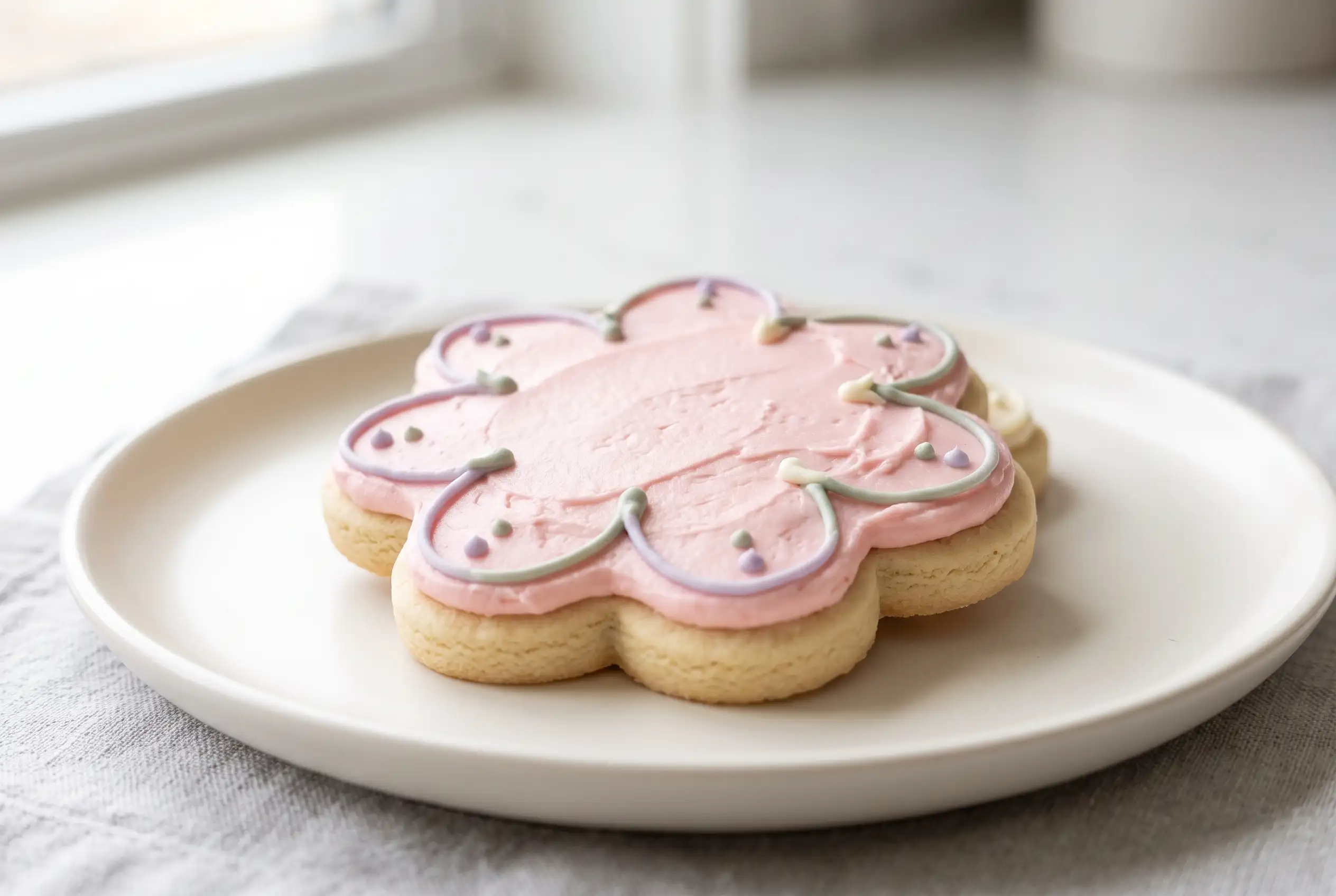
Sugar Cookie Frosting gives cut-out cookies a smooth, spreadable finish with a creamy texture that works for everyday baking and seasonal decorating. The whipped butter-and-sugar mixture creates a soft coating that can be colored, spread across cookie surfaces, or adjusted for simple piped details.
Designed for bakers who want an easy sugar cookie frosting recipe with flexible consistency, the frosting uses common ingredients and a quick mixing process. The texture can move from a thinner decorating layer to a thicker border style with small adjustments, making it useful for different cookie designs.
Why Sugar Cookie Frosting Fits Cut-Out Cookies
Cut-out cookies need a topping that spreads neatly and stays in place after decorating. Sugar Cookie Frosting provides that balance by combining a light whipped texture with enough body to cover cookie surfaces without requiring a separate icing style for every design.
The frosting works well for holiday trays, cookie exchanges, and decorating sessions because it can be prepared quickly and customized with colors. A single bowl and mixer are enough to create a smooth finish that is easy to handle.
Unlike firmer icings that dry into a hard shell, this frosting keeps a softer finish. That makes it suitable when you want decorated cookies with a creamy layer that can still be shaped with piping tools or spread evenly with a spatula.
| Decorating Need | Frosting Adjustment | Result |
|---|---|---|
| Covering cookie tops | Use a spreadable consistency | Smooth surface coating |
| Adding borders | Keep frosting thicker | Defined piped edges |
| Creating flowing details | Thin slightly with warm milk | Slower flowing decorative finish |
Powdered Sugar and Butter Balance the Frosting Texture
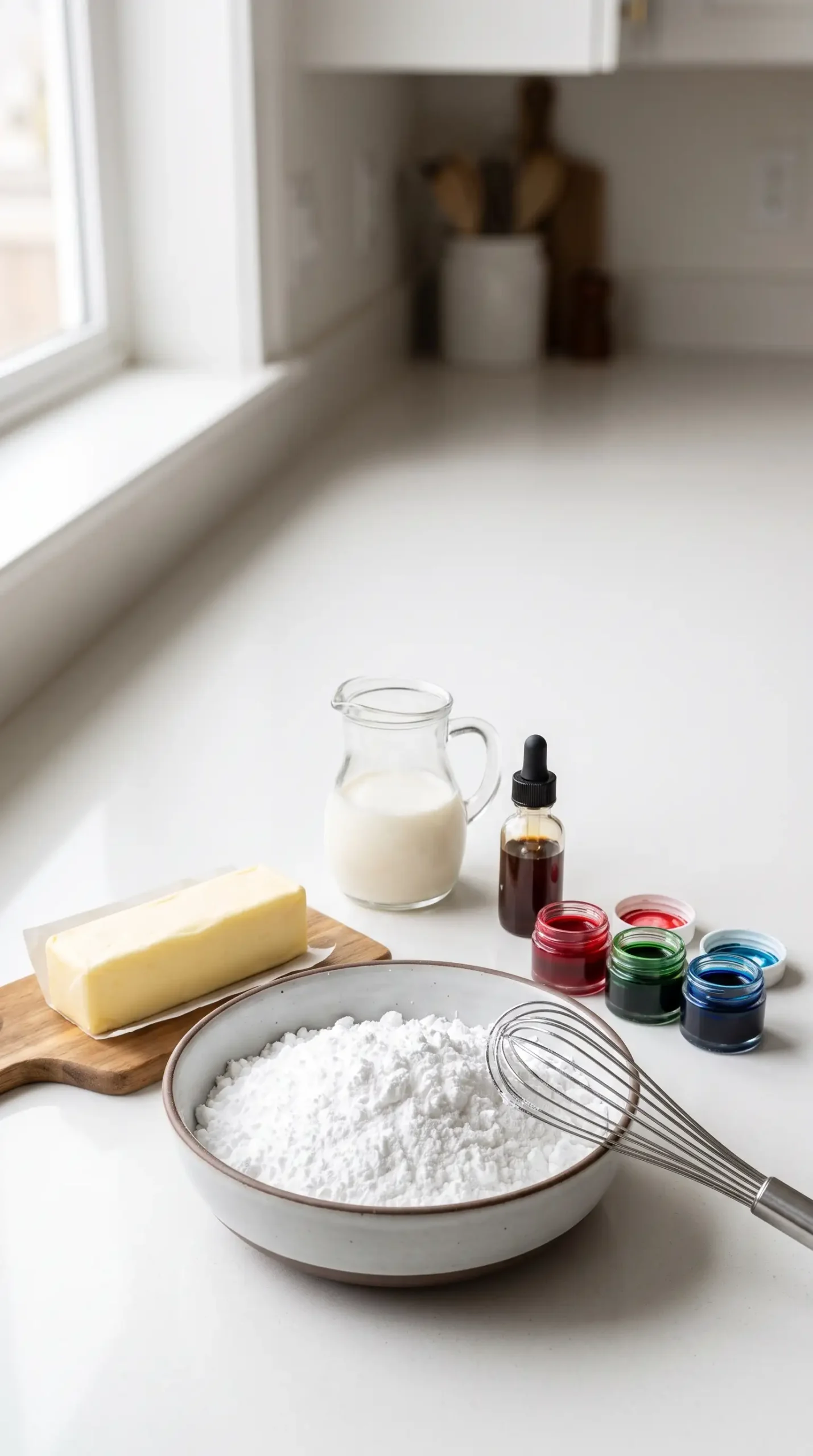
The ingredient choices behind Sugar Cookie Frosting determine how easily it spreads and how well it holds decorative shapes. Melted unsalted butter provides the rich base, while powdered sugar creates sweetness and structure throughout the mixture.
Warm milk helps the powdered sugar blend smoothly into the frosting. The liquid also gives you control over thickness, allowing small changes when the frosting needs to move across cookie surfaces or become firmer for details.
Pure vanilla extract adds a familiar flavor that supports the sweetness of the powdered sugar. Gel food coloring is especially useful when decorating because it adds strong color without introducing extra liquid that could change the texture.
Sugar Cookie Frosting Consistency Choices for Decorating
Decorating results depend heavily on consistency. A thinner version spreads across cookies with less effort, while a thicker version works better when you need visible lines, shapes, or simple piped decorations.
- Spreadable texture: Use for covering cookie tops with a smooth layer.
- Pipe-ready texture: Keep the mixture thicker for borders and small designs.
- Flowing texture: Add small amounts of warm milk when creating a slower-moving finish.
Warm Milk and Whipping Control the Finished Texture
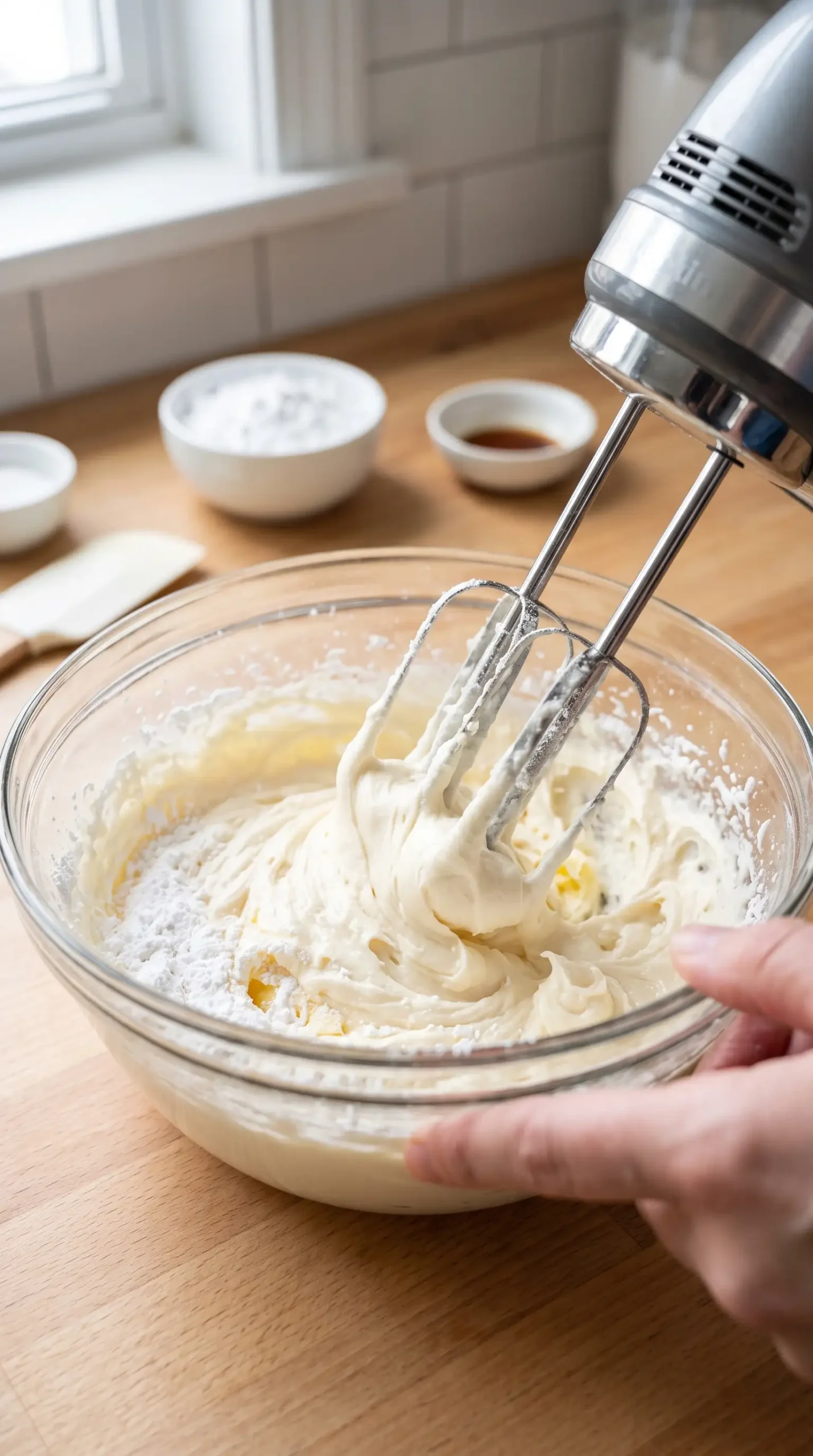
The mixing process affects how the frosting behaves after it reaches the cookies. Warm milk should help the sugar incorporate without becoming hot enough to affect the butter.
Gradually adding powdered sugar keeps the mixture even and prevents loose sugar from spreading throughout the kitchen. Starting slowly with the mixer also helps create a smoother blend before increasing speed.
whipping introduces air into the frosting, creating a lighter texture that spreads more easily. The consistency can then be adjusted with small additions of milk or powdered sugar until it matches the decorating style you need.
Tools That Make Cookie Decorating Easier
A medium mixing bowl, mixer, spatula, and decorating tools provide the basic setup for Sugar Cookie Frosting. A piping bag with small tips can help create outlines, while star tips can form simple rosette shapes.
An offset spatula is useful when smoothing frosting across cookie surfaces. Dipping the spatula in warm water and wiping it dry can help create a cleaner finish when leveling the top.
Coloring Sugar Cookie Frosting Without Losing Texture
Color customization is one of the main advantages of this frosting style. Gel-based food coloring allows you to create bright shades while keeping the mixture thick enough for decorating.
Start with a small amount of color and add more gradually. This approach makes it easier to reach pastel tones or stronger shades without adding too much coloring at once.
| Coloring Choice | Texture Impact | Best Use |
|---|---|---|
| Gel food coloring | Adds color with minimal liquid | Detailed cookie decorating |
| Liquid coloring | May loosen consistency | Use with texture adjustments |
| Mixed gel shades | Allows gradual color changes | Pastel or custom designs |
Serving Frosted Cut-Out Cookies for Gatherings
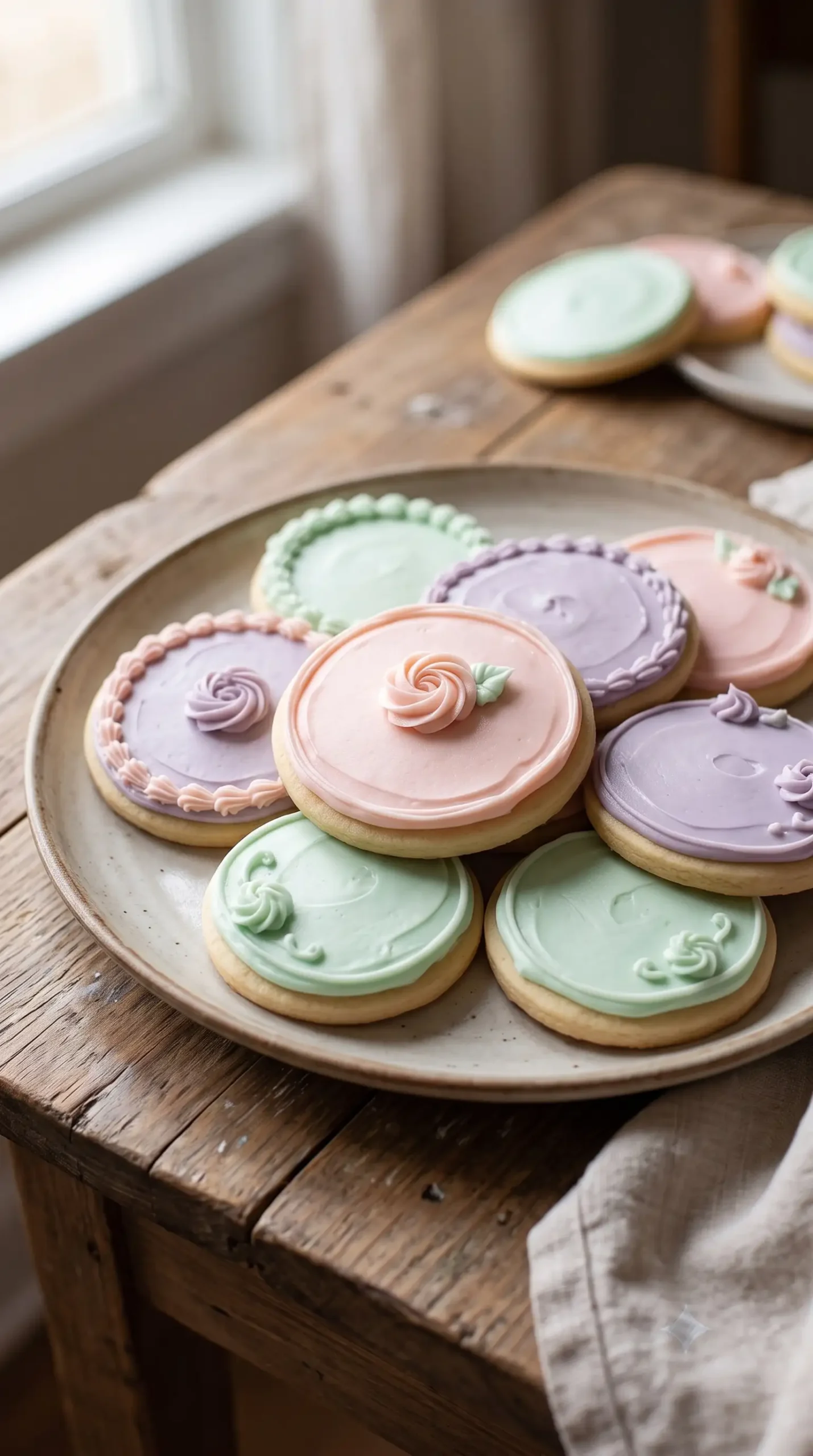
Frosted cookies can be arranged on platters for parties, cookie exchanges, or seasonal displays. A thin frosting layer gives each cookie a finished appearance while still leaving room for decorative sugars or edible pearls.
Pairing decorated cookies with tea, coffee, or milk balances the sweetness of the frosting. Fresh fruit such as strawberries or oranges can also provide a bright contrast when serving a larger dessert spread.
Cookie platters can include vanilla frosted sugar cookies when a softer topping style is desired alongside decorated cut-out cookies.
Storage Decisions for Frosting and Finished Cookies
Unused Sugar Cookie Frosting keeps well when stored correctly. An airtight container helps maintain the texture, and bringing refrigerated frosting back to room temperature with a brief re-whip restores its spreadable consistency.
Frosted cookies can remain at room temperature for a short period when covered loosely. If stacking is necessary, wax paper between layers helps prevent decorated surfaces from sticking together.
Easy Sugar Cookie Frosting Recipe Adjustments
Small changes can make the frosting fit different decorating needs. The base formula is flexible, so adjustments should be gradual to maintain the texture needed for cookies.
- Thickening: Add powdered sugar in small amounts until the frosting firms.
- Softening: Add milk gradually when the mixture is too thick.
- Coloring: Mix gel color slowly to reach the shade you want.
These changes allow one batch of frosting to work for multiple decorating styles without preparing separate mixtures.
Sugar Cookie Frosting Mistakes That Affect Smooth Coverage
Using milk that is too hot can create problems with the butter and may lead to a greasy texture. Keeping the milk warm instead of hot helps maintain the smooth structure needed for decorating.
Adding too much liquid at once can make the frosting difficult to control. Small additions are easier to correct because they let you adjust thickness without overchanging the mixture.
Powdered sugar added too quickly can create an uneven blend. Slow mixing keeps the frosting smoother and reduces lumps while building the right consistency for cookie coverage.
Make-Ahead and Batch Decorating Plans
Preparing Sugar Cookie Frosting ahead can simplify larger decorating sessions. Refrigerated frosting can be brought back to a usable texture by allowing it to warm and whipping it briefly before applying it to cookies.
Freezing is also an option when longer storage is needed. The frosting should be thawed in the refrigerator before being mixed again for a smoother decorating texture.
Variations for Seasonal Cookie Designs
The frosting base can be adapted with flavors and textures that suit different cookie themes. Replacing part of the butter with softened cream cheese creates a tangier version, while citrus zest can add lemon or orange notes.
For more structured decorations, reducing milk slightly and whipping longer can create a firmer texture. These changes are useful when designs require more stability from the frosting.
Troubleshooting Spread and Piping Results
Decorating problems usually come from consistency choices. Frosting that spreads too quickly may need more powdered sugar, while frosting that feels difficult to move may need small additions of milk.
A short chilling period can help firm the frosting before piping. For very fine details, a stiffer frosting option may provide more control than a softer spreadable style.
Sugar Cookie Frosting Creates Flexible Decorated Cookie Results
Sugar Cookie Frosting works best when consistency is matched to the decorating task. The balance of butter, powdered sugar, milk, and whipping determines whether the frosting spreads smoothly, holds simple shapes, or accepts added color.
Careful adjustments keep the frosting useful across different cookie designs. Managing liquid additions and mixing time provides control over the finished texture without changing the simple foundation of the recipe.
Sugar Cookie Frosting Questions About Colors and Texture
Can Sugar Cookie Frosting harden completely like royal icing?
Sugar Cookie Frosting sets to a softer finish and firms slightly, but it does not create the same hard shell as royal icing. Reducing milk and adding more powdered sugar can make the texture firmer for decorating needs.
Can I use salted butter for Sugar Cookie Frosting?
Salted butter can be used, although it adds background saltiness to the frosting. If the cookies already include salt, adjusting the overall amount may help maintain the intended flavor balance.
Why is gel food coloring recommended for cookie decorating frosting?
Gel food coloring adds concentrated color without adding much liquid. This helps maintain the frosting consistency needed for smooth coverage and decorative details.
How can I make Sugar Cookie Frosting easier to pipe?
A thicker consistency works better for piping. Use slightly less milk, add powdered sugar gradually if needed, and chill briefly when you want the frosting to firm before decorating.
Can I prepare Sugar Cookie Frosting before baking day?
Yes, the frosting can be stored in an airtight container in the refrigerator for up to 5 days. Re-whipping after it returns to a workable temperature helps restore a smooth texture.
Sugar Cookie Frosting for Cut-Out Cookies with Butter
Sugar Cookie Frosting is a creamy, smooth topping for cut-out cookies with a light whipped texture and sweet vanilla flavor. This easy frosting is perfect for decorating cookies for holidays, gatherings, or everyday baking.
Ingredients
Method
Frosting
- Place melted butter, warm milk, and vanilla extract in a medium mixing bowl and stir until evenly combined.
- Add powdered sugar gradually while mixing on low speed until the frosting forms a smooth consistency.
- Whip the frosting on high speed for about 1 minute until it becomes light and airy.
- Modify the texture by adding small amounts of warm milk if the frosting is too thick or more powdered sugar if it is too thin.
- Blend in gel food coloring until the desired color is reached.
- Apply the frosting to sugar cookies by spreading or piping, then place any remaining frosting in an airtight container.
Notes
Use warm milk instead of hot milk to help keep the butter from separating.