
From morning breakfasts to evening dinners, Tasteza Recipes offers quick and easy recipe ideas, featuring everything from wholesome meals to delicious desserts for every moment and every occasion.


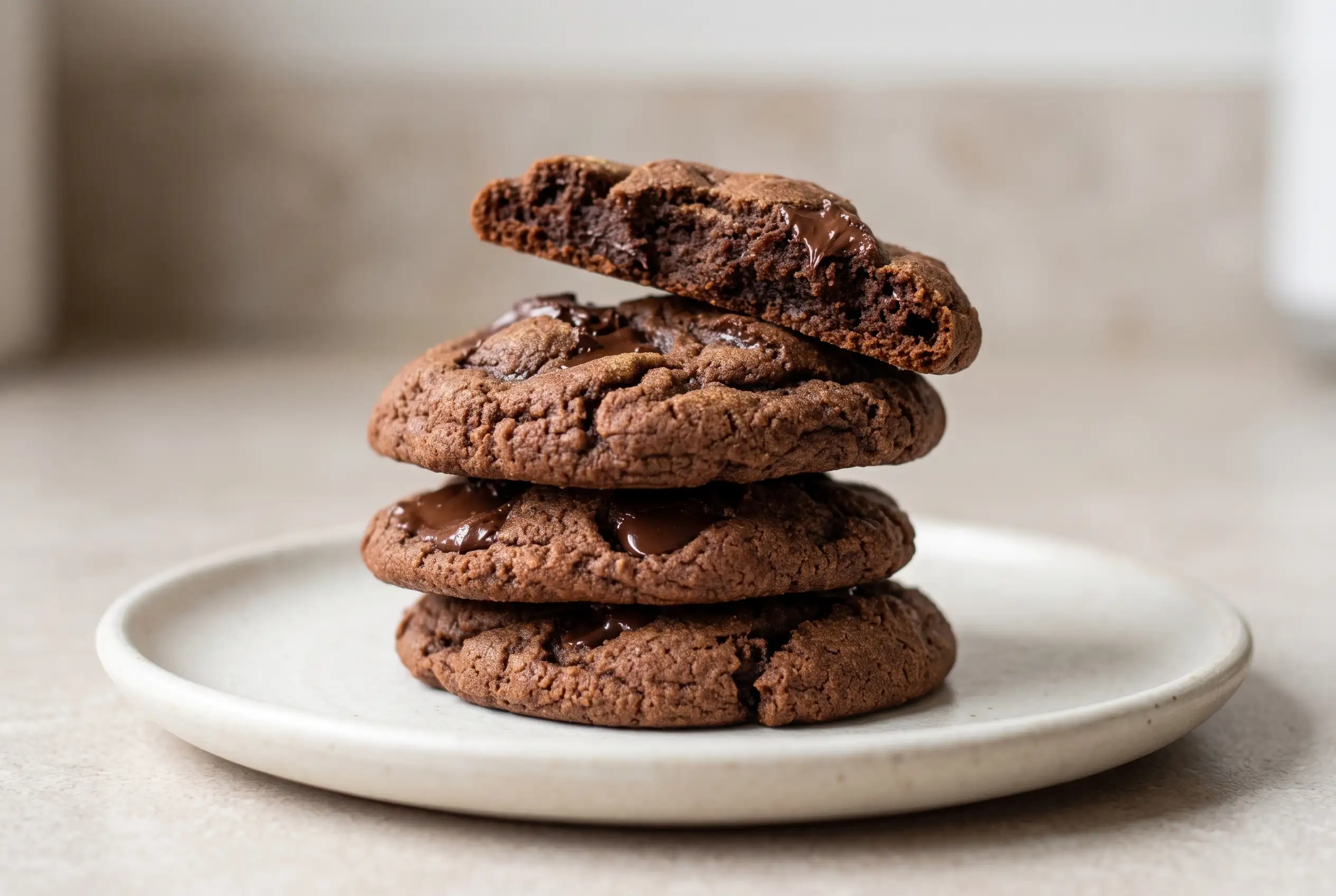
Double Chocolate Chip Cookies with Malted Twist bring deep chocolate flavor together with a soft center, a light malted background, and a mix of chocolate pieces that creates contrast in every bite. The combination of malted milk powder, chocolate syrup, semi sweet chocolate chunks, and milk chocolate chips gives these cookies a richer character than a standard batch of chocolate chip cookies.
Many bakers looking for dependable double chocolate chip cookies want a cookie that stays tender while still offering enough structure to hold generous chocolate. The dough approach here uses careful mixing, a short chill, and a controlled bake to create a puffy middle with lightly crisp edges.
Why Double Chocolate Chip Cookies Stand Out
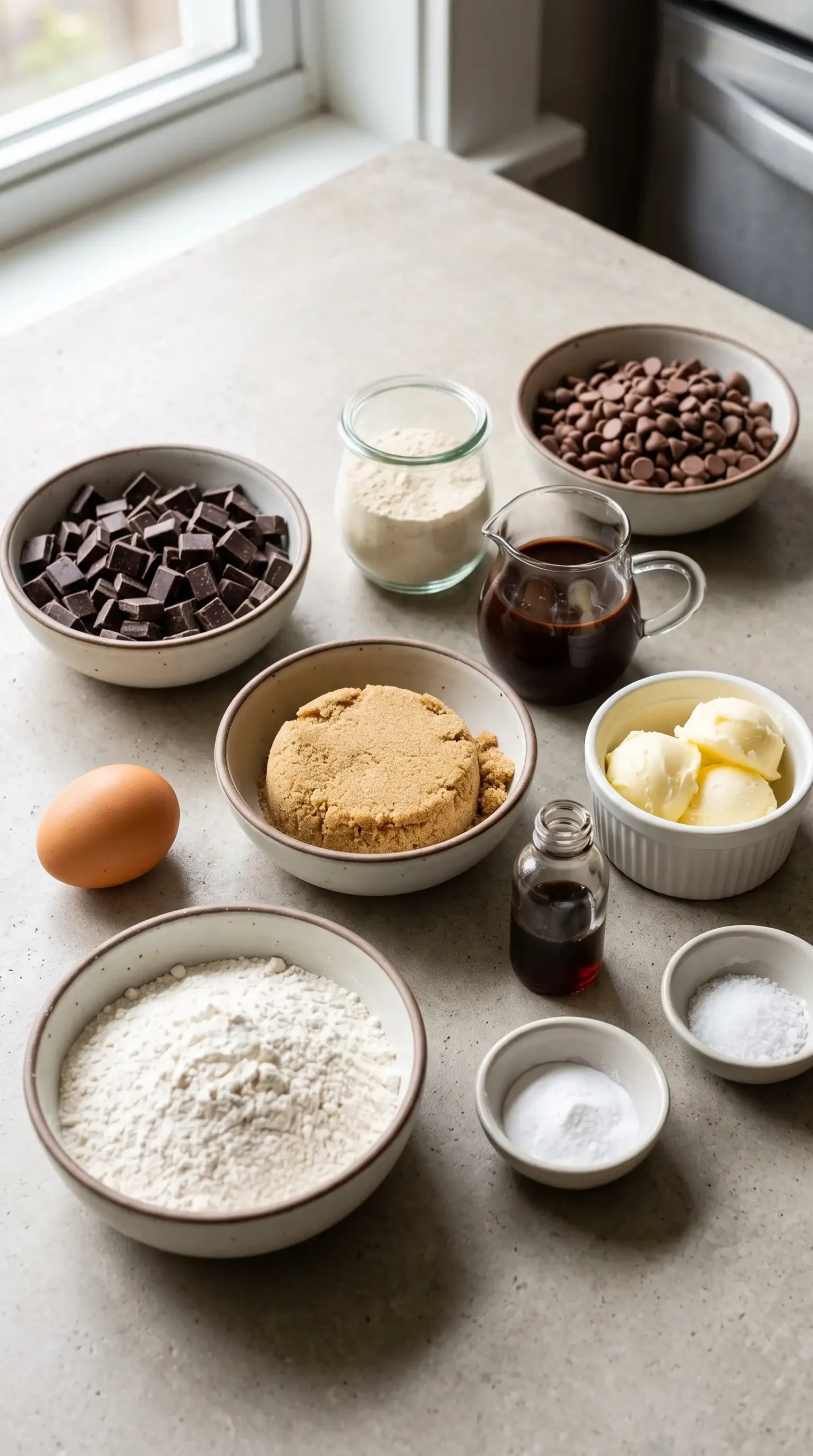
The appeal of these cookies comes from the way several small choices work together. Butter flavored Crisco creates a dough base suited to a soft texture, while brown sugar contributes sweetness and moisture. Malted milk powder adds a subtle toasted note that makes the chocolate flavor feel more rounded.
Unlike cookies built around a single chocolate element, the dough combines semi sweet chocolate chunks with milk chocolate chips. The chunks create larger melted pockets, while the chips provide smaller bites of chocolate throughout the cookie. Bakers adjusting chocolate balance can compare the role of chocolate pieces in classic chocolate chip cookies with the richer combination used here.
Soft double chocolate cookies depend on timing as much as ingredients. Removing the cookies while the centers remain slightly underdone allows them to finish setting as they cool, preserving the tender middle that makes them especially satisfying.
Malted Milk Powder Shapes the Cookie Experience
Malted milk powder is the ingredient that gives these cookies their distinctive direction. The powder brings a lightly sweet, toasted malt flavor that pairs naturally with chocolate syrup and the two chocolate additions. It also contributes to the texture by adding a subtle chewiness.
For bakers exploring chocolate chip cookies with malted milk powder, the key is balancing the malt with the rest of the dough. The measured amount works alongside the flour, sugars, and chocolate so the flavor stays noticeable without overwhelming the cookie.
A deeper malt profile can be created by increasing the malted milk powder by 1 to 2 tablespoons and slightly reducing flour to compensate. Another option is adding a thin malted milk glaze over warm cookies for a stronger finishing note.
Chocolate Choices Create Layered Bites
The combination of semi sweet chocolate chunks and milk chocolate chips gives the cookies different types of chocolate texture. Bakers who prefer a less sweet result can replace the milk chocolate chips with dark chocolate while keeping the chunk-and-chip structure that defines the cookie.
Dough Handling Controls Soft Double Chocolate Cookies
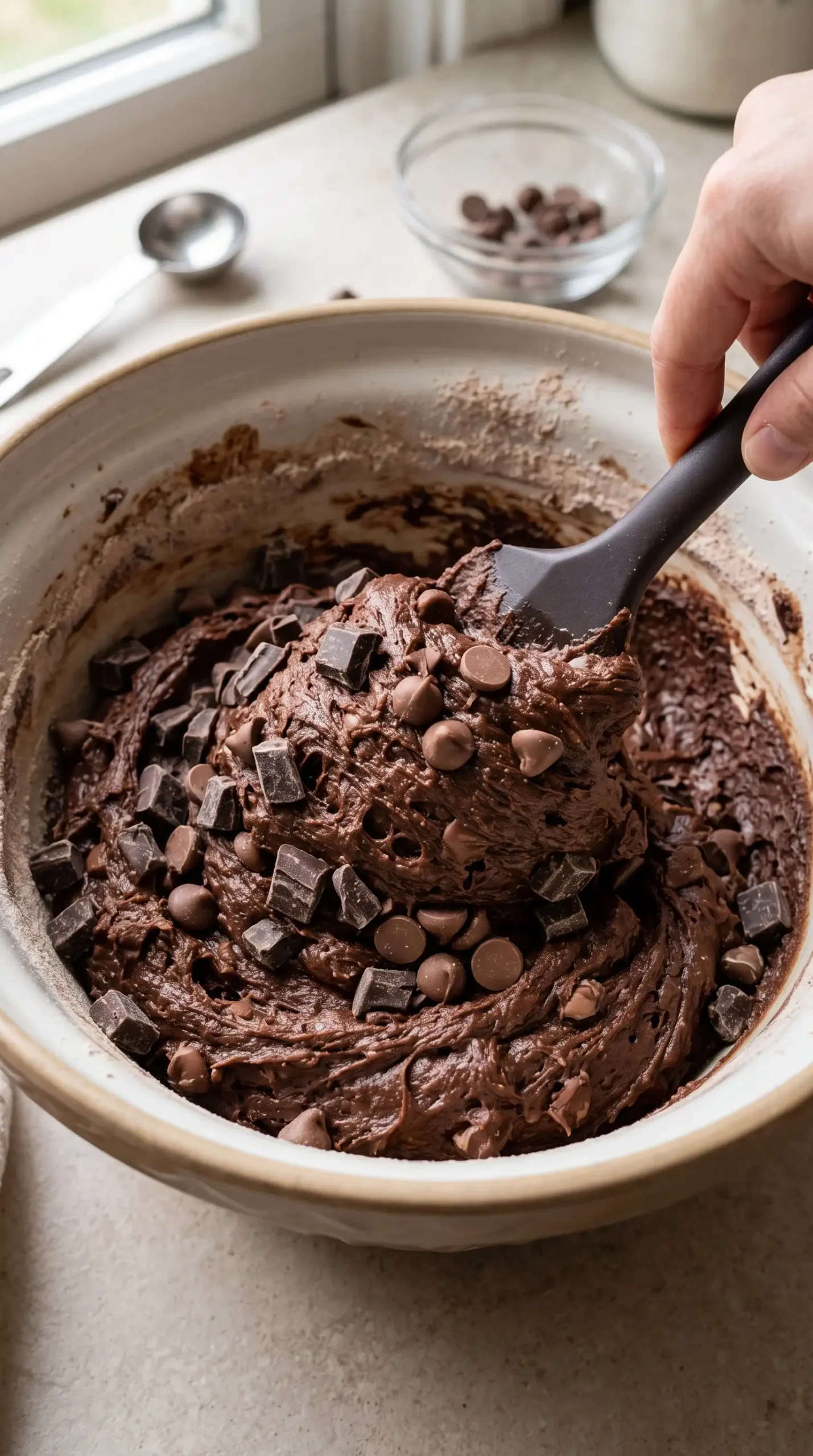
The mixing process has an important role in the finished texture. Creaming the butter flavored Crisco, brown sugar, malted milk powder, chocolate syrup, and vanilla helps incorporate air into the dough before the remaining ingredients are added.
Flour, baking soda, and salt should be blended together before gradual addition. Adding the dry mixture in stages helps prevent unnecessary mixing, which supports a tender crumb instead of a firm cookie.
The egg also benefits from careful incorporation. A room-temperature egg mixes more evenly into the creamed base, helping the dough come together smoothly before the chocolate pieces are folded in.
Chilling Protects the Cookie Shape
Refrigerating the shaped dough balls for 20 to 30 minutes helps firm the dough before baking. This step reduces excessive spreading in the oven and supports the thicker shape associated with soft double chocolate cookies.
Baking Signs for Double Chocolate Chip Cookies
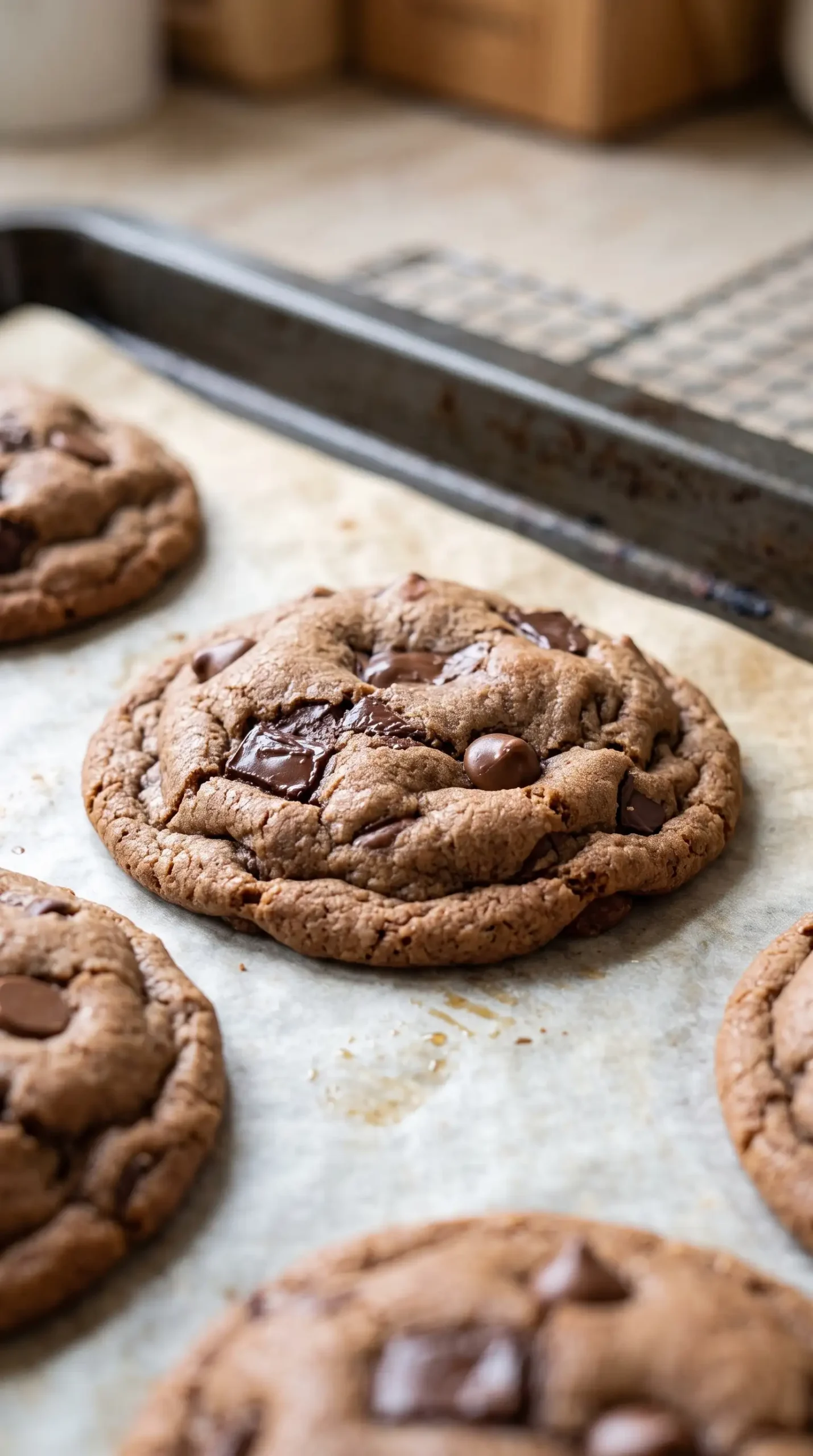
Visual cues matter when baking these cookies because the desired texture depends on stopping at the right moment. The centers should appear slightly underdone and still puffy when the cookies are removed from the oven.
The cookies continue setting as they cool, so a completely firm center in the oven can lead to a finished cookie that feels less soft. A short bake creates the balance of a delicate edge and a tender middle.
| Cookie appearance | What it suggests | Baking decision |
|---|---|---|
| Puffy center with slight underdone look | Soft interior is still developing | Remove cookies and allow cooling to finish the set |
| Thin shape with more spread | Dough may have warmed too much | Use chilled dough balls for the next batch |
| Firm center before cooling | Cookie may become less tender | Reduce baking time within the suggested range |
Rotating the baking sheet halfway through baking helps promote even browning. The short baking window makes small visual differences important, especially when aiming for the signature soft center of double chocolate chip cookies.
Mistakes That Flatten Double Chocolate Chip Cookies
Several problems can change the shape and texture of double chocolate chip cookies. Skipping the chill period is one of the biggest risks because warm dough can spread more quickly in the oven, creating thinner cookies.
Overmixing after adding flour can also affect the result. Once the dry ingredients are incorporated, continued mixing can move the texture away from the tender crumb expected from this style of cookie.
Incorrect flour measurement creates another common issue. Packing flour tightly into a measuring cup can add too much flour and make the cookies dry. Spoon the flour into the cup and level it for a more accurate amount.
Serving Ideas for Malted Double Chocolate Chip Cookies
Malted double chocolate chip cookies are enjoyable warm or at room temperature. Cold milk and hot coffee both complement the rich chocolate flavor, while fresh berries or whipped cream can create a more complete dessert plate.
Storage Keeps Cookies Soft
An airtight container helps preserve the texture of baked cookies at room temperature. Adding a slice of bread to the container helps retain softness; replace the slice every 24 hours to maintain freshness.
Freezing is useful when you want to keep baked cookies available for later. Freeze the cookies in a single layer on a tray before transferring them to a freezer-safe bag, then thaw them at room temperature or warm them briefly in a low oven.
Unbaked dough can also be stored as portioned balls in the freezer. When baking from frozen, add 1 to 2 minutes to the bake time so the centers can cook properly while keeping their soft texture.
Variations That Suit the Dough
The cookie dough works with several flavor adjustments. Chopped toasted pecans or walnuts add crunch, while dark chocolate changes the sweetness level. A thin malted milk glaze offers another way to emphasize the malt flavor without changing the base dough.
Cookie Planning for Gatherings
These cookies fit casual baking, cookie swaps, and last-minute dessert needs because the dough process is straightforward and the chocolate-forward flavor feels special enough for sharing occasions.
Tools and Setup That Support Baking
A few simple preparation choices make the baking process smoother. A mixing bowl, measuring tools, and a baking sheet are enough to complete the dough, while organizing the ingredients before mixing helps keep the process controlled.
The most useful setup decision is preparing the dough portions before chilling. Shaping the balls first allows the refrigerated dough to move directly into baking when it has firmed.
- Room-temperature egg: Helps the egg blend evenly into the creamed mixture.
- Leveled flour measurement: Supports a balanced dough texture.
- Prepared chocolate pieces: Makes folding in chunks and chips simple after the dry ingredients are added.
Careful preparation also makes it easier to notice important texture cues. Since the recipe depends on a soft center, observing dough firmness and cookie appearance provides more control than relying only on the clock.
When Double Chocolate Chip Cookies Reach Their Best Texture
The best results from double chocolate chip cookies come from protecting the relationship between dough structure, chilling, and baking time. The chilled dough holds its shape, while the slightly underdone centers create the soft finish that continues developing after removal from the oven.
The malted chocolate dough succeeds because each choice has a clear purpose. Chocolate pieces create variety, malted milk powder adds character, and careful handling keeps the cookies tender from the first bite to the last.
Questions About Double Chocolate Chip Cookies and Dough Problems
What does malted milk powder change in cookies?
Malted milk powder adds a lightly sweet, toasted malt flavor and contributes a subtle chewiness to the cookie texture. It is the ingredient that separates these cookies from a more traditional chocolate-only version.
Why do the cookies need a chill period?
The chill period firms the shaped dough so the cookies spread less during baking. It also helps develop the flavor before the dough reaches the oven.
Can butter replace butter flavored Crisco?
Softened butter can replace butter flavored Crisco, but the cookies may have a different spread and texture. Adjusting chilling may help account for those changes.
How can I keep the cookies chewy after baking?
Remove the cookies while the centers are still slightly underdone, then store them in an airtight container with a slice of bread to help maintain moisture.
Can I use only chocolate chips instead of chunks and chips?
Only chocolate chips can be used, but the combination of chunks and chips provides a wider range of melted pockets and firmer chocolate bites.
Double Chocolate Chip Cookies with Malted Milk Powder
Double Chocolate Chip Cookies with Malted Milk Powder are soft, chocolate-filled cookies with a rich malted flavor and tender texture. They are an easy dessert choice for gatherings or whenever you want a comforting homemade treat.
Ingredients
Method
Preparation
- Combine the shortening, brown sugar, malted milk powder, chocolate syrup, and vanilla extract in a mixing bowl and beat for 2 minutes.
- Mix the egg into the creamed mixture until fully incorporated.
- Whisk together the flour, baking soda, and salt, then gradually add the dry mixture to the dough until combined.
- Fold the semi-sweet chocolate chunks and milk chocolate chips into the dough.
- Form the dough into 2-inch balls and refrigerate for 20 to 30 minutes.
Baking
- Preheat the oven to 375°F (190°C).
- Arrange the chilled dough balls on a baking sheet and bake for 8 to 12 minutes, taking them out while the centers remain slightly underdone and puffy.
- Allow the cookies to cool briefly on the baking sheet before serving.
Notes
Remove the cookies from the oven while the centers are still slightly underdone so they continue setting as they cool and maintain a soft texture.