
From morning breakfasts to evening dinners, Tasteza Recipes offers quick and easy recipe ideas, featuring everything from wholesome meals to delicious desserts for every moment and every occasion.


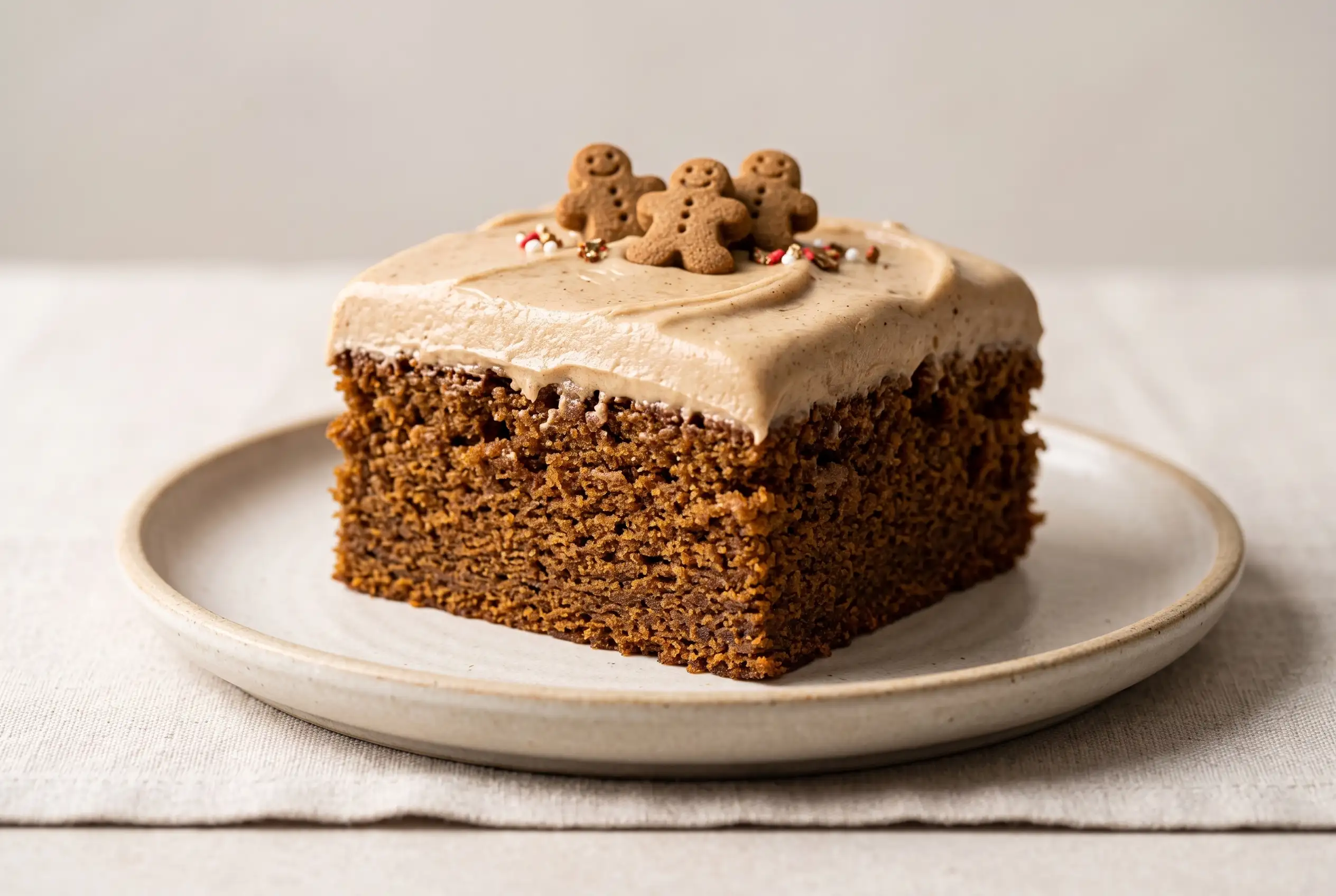
gingerbread cake recipe brings together warm spices, a tender crumb, and a deep molasses character in a simple square cake that suits holiday tables and quiet afternoons. The combination of cinnamon, ginger, cloves, and nutmeg creates a familiar gingerbread flavor, while molasses buttercream adds a smooth finish that echoes the cake beneath it.
An easy molasses cake recipe like this works well for bakers who want a dessert with classic seasonal flavor without complicated shaping or multiple pans. The 9×9 baking pan keeps the process approachable, and the finished cake slices cleanly for sharing.
Gingerbread Cake Recipe for Holiday and Everyday Baking
Seasonal desserts often need to balance special flavors with practical preparation, and this cake does that through a straightforward batter and familiar baking ingredients. The spice blend gives the cake its gingerbread identity, while sour cream, butter, oil, and milk help create a moist texture that stays pleasant after slicing.
Home bakers can serve the cake for gatherings, potlucks, coffee hours, or a simple dessert after a family meal. The square shape makes portioning easy, and the finished slices provide a sturdy base for the molasses frosting without feeling overly heavy.
Unlike elaborate holiday desserts that require detailed decoration, this molasses gingerbread cake focuses on flavor. The optional garnish of mini gingerbread men cookies or sprinkles adds a festive touch while allowing the spiced cake and frosting to remain the main attraction.
Unsulphured Molasses Defines the Cake Flavor
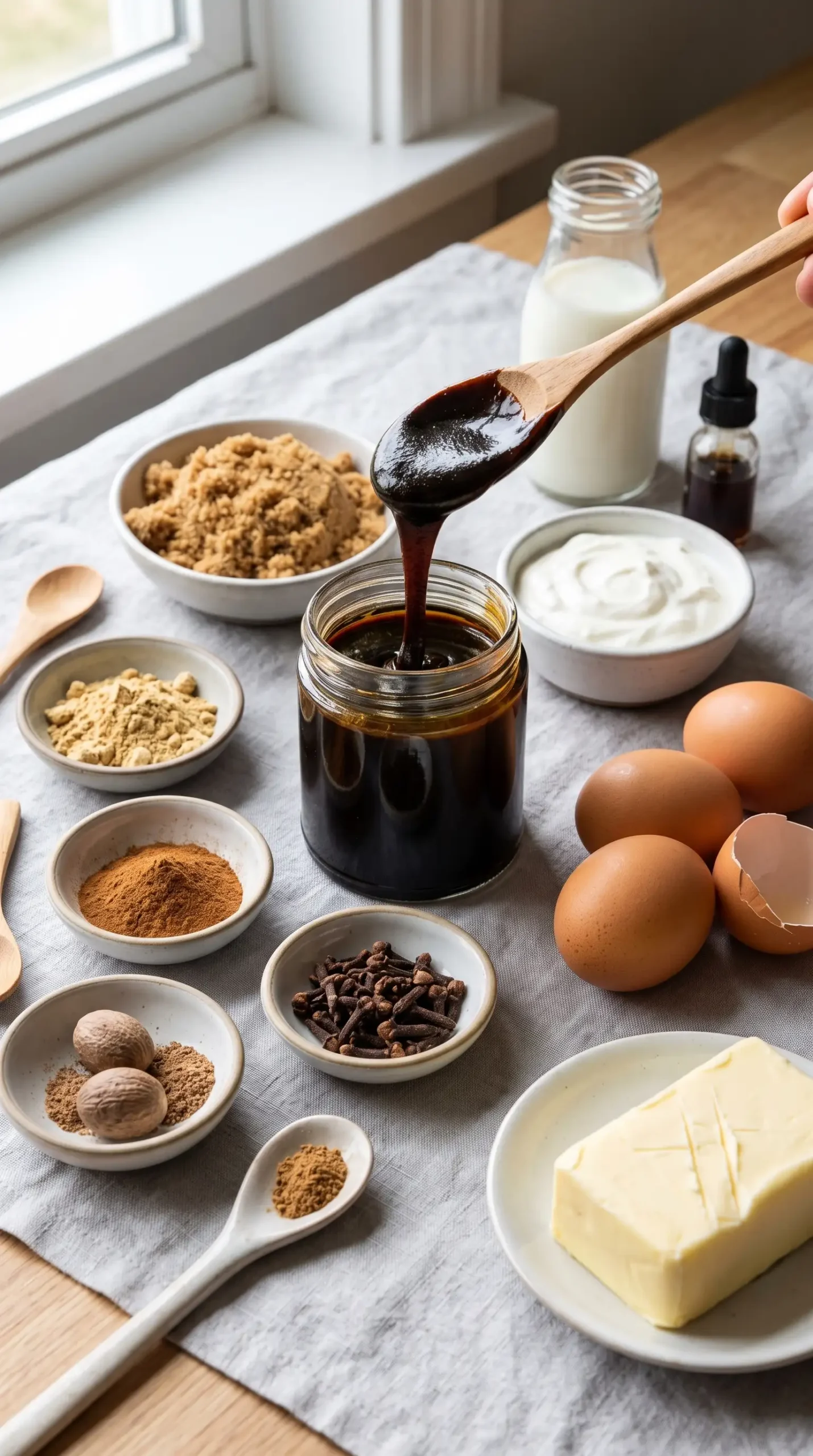
Unsulphured molasses is the ingredient choice that most strongly shapes the personality of this cake. It brings moisture, depth, and a slightly bitter-sweet note that works with the warming spices. Choosing the right molasses keeps the flavor balanced and lets the cinnamon, ginger, and other spices remain noticeable.
When selecting molasses for this cake, it helps to know that types of molasses vary in flavor depending on how they are processed. Unsulphured molasses is made without sulfur dioxide treatment and is often preferred when a recipe needs a clear, balanced molasses character.
| Ingredient choice | Effect in the cake | Best use |
|---|---|---|
| Unsulphured molasses | Provides deep sweetness and moisture | Main molasses flavor for the cake and frosting |
| Ground ginger | Adds the recognizable gingerbread warmth | Keeping the spice profile bright |
| Sour cream | Supports a tender crumb with gentle tang | Creating a softer cake texture |
Batter Choices Create a Tender Gingerbread Crumb
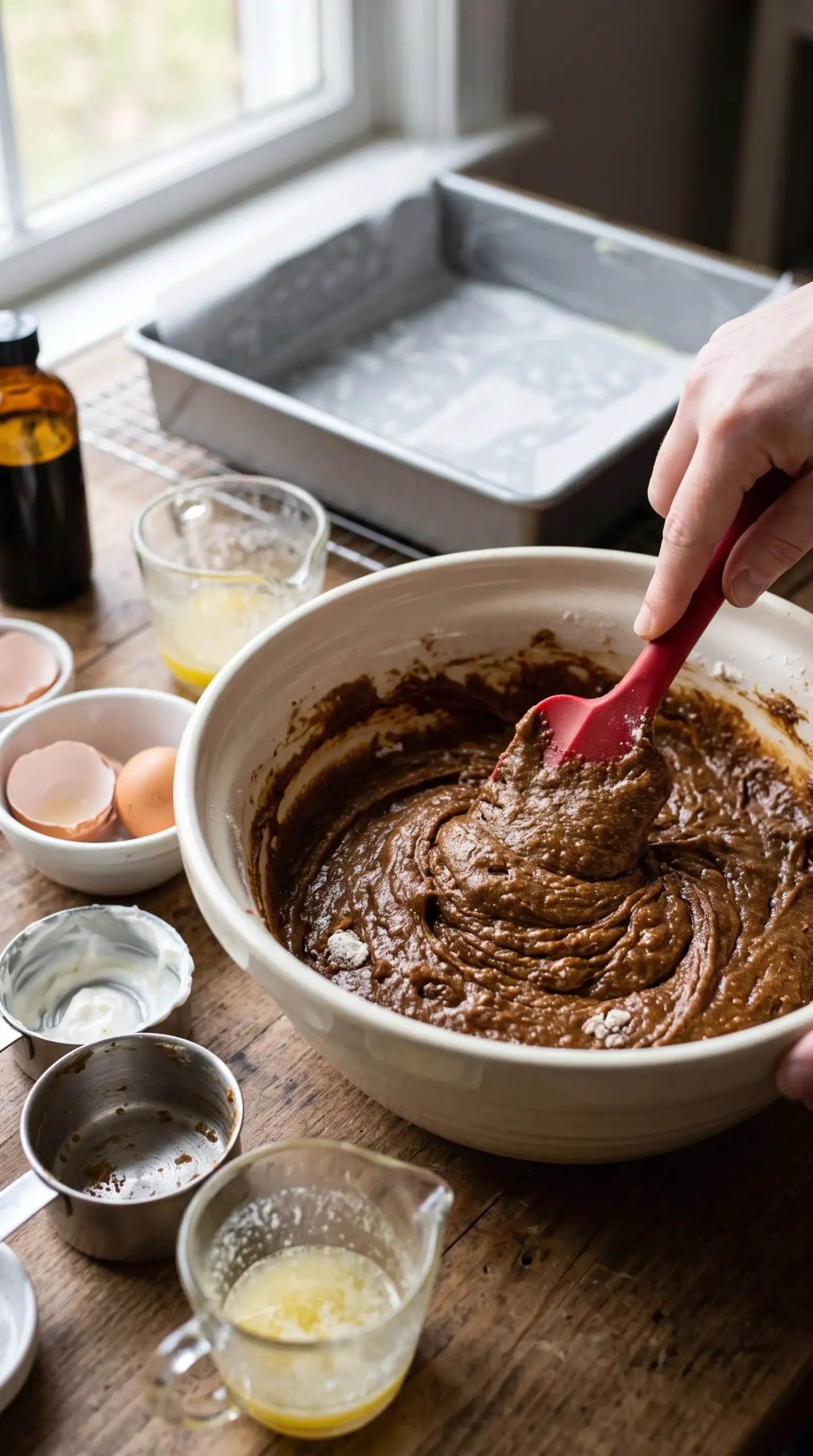
The mixing approach has a direct effect on the texture of the cake. Combining the dry ingredients and wet ingredients until just mixed helps prevent excess gluten development, which can make a cake feel tougher.
Room-temperature eggs and sour cream blend more evenly into the batter, while slightly cooled melted butter prevents problems when it meets the eggs. The hot water added near the end helps loosen the mixture so the baked cake has an even texture.
A few remaining clumps during mixing are acceptable because the batter does not need to become completely smooth. Gentle handling preserves the softer crumb that makes this gingerbread cake with molasses frosting enjoyable at room temperature or slightly warmed.
Serving Gingerbread Cake Beyond the Pan
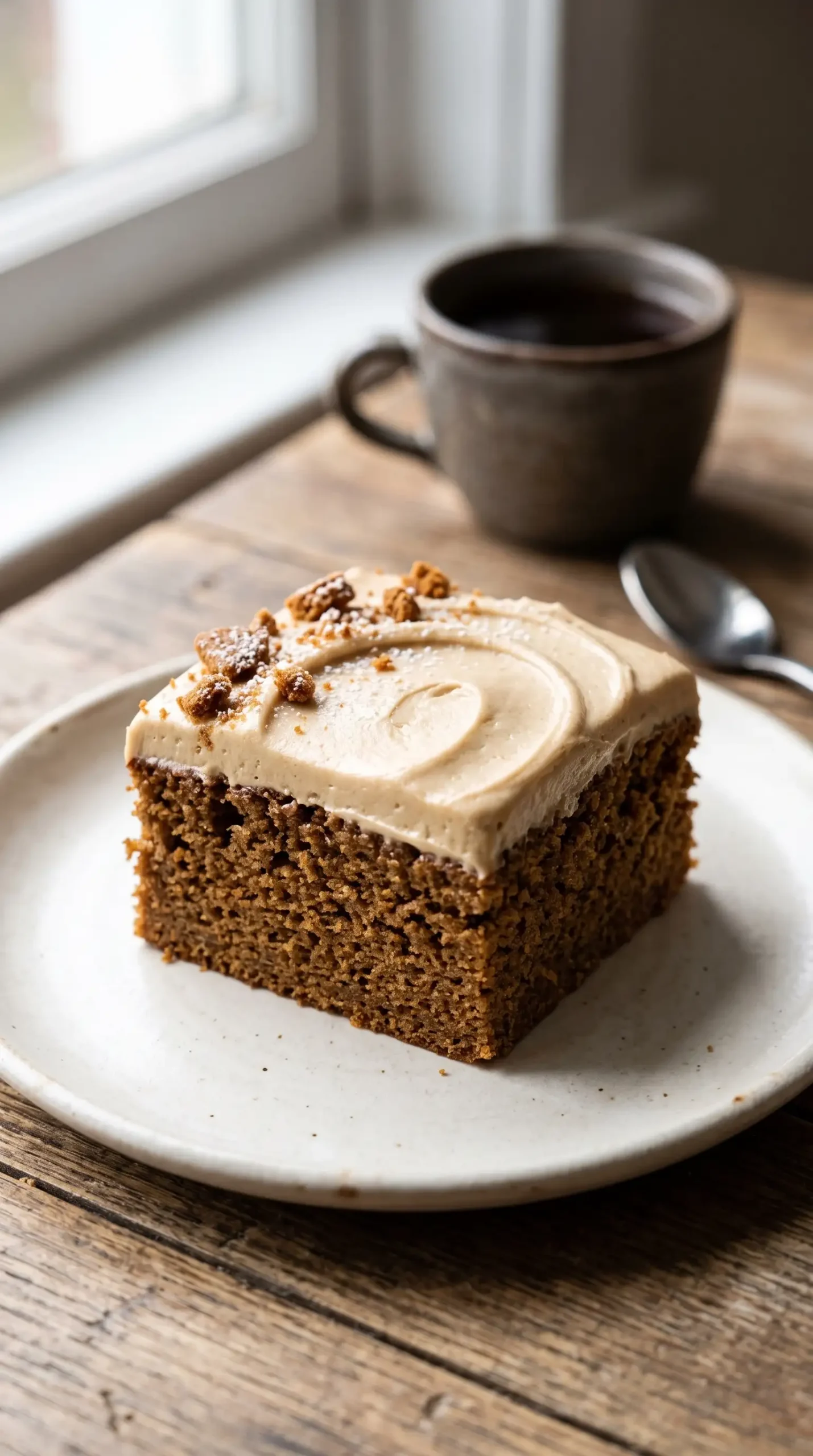
Square slices of gingerbread cake pair naturally with simple additions such as vanilla ice cream, caramel drizzle, or a light dusting of powdered sugar. Drinks including black tea, spiced chai, and milky coffee complement the molasses and spice notes without competing with the frosting.
Storage Methods Protect the Molasses Texture
Proper storage helps maintain the moist texture that makes this cake appealing. An airtight container at room temperature keeps the cake fresh for up to 3 days, allowing the crumb to stay soft while the frosting remains ready for serving.
Refrigeration extends storage to about a week, but chilled slices benefit from resting at room temperature before eating. Bringing the cake back from cold storage helps restore the softer texture that can become firmer in the refrigerator.
Longer storage works well when individual slices are wrapped tightly and frozen for up to 2 months. Thawing overnight in the refrigerator followed by a return to room temperature or gentle warming helps preserve the cake’s flavor and texture.
Simple Variations for a Different Finish
Bakers can adjust the texture and flavor direction while keeping the core gingerbread character. A lighter crumb can be created by replacing half the oil with applesauce and reducing the brown sugar slightly, while extra ginger and a pinch of cardamom can create a deeper spice profile. Smaller baked treats such as gingerbread mini donuts with maple glaze can be prepared when a handheld dessert format suits a holiday spread.
Common Gingerbread Cake Mistakes to Avoid
Small choices during preparation can change the finished cake. Paying attention to mixing, ingredient temperature, and cooling prevents the most common texture and frosting issues.
- Overmixing batter: Stir only until the ingredients come together because too much mixing can create a tougher crumb.
- Cold ingredients: Use room-temperature eggs and sour cream so the batter combines evenly.
- Warm frosting surface: Cool the cake completely before adding buttercream to prevent melting.
- Incorrect molasses choice: Use unsulphured molasses to maintain the intended flavor balance.
Frosting problems usually come from applying the topping before the cake has cooled fully. A warm surface softens the buttercream and can cause it to lose its smooth appearance.
Measuring flour carefully also matters because extra flour can make the cake dense. Spoon flour into the measuring cup and level it off to avoid adding more than the batter needs.
Molasses Buttercream Adds a Balanced Topping
The frosting finishes the cake with another layer of molasses flavor while keeping the spice profile cohesive. Whipping the softened butter before adding the powdered sugar creates a lighter texture, and the added vanilla, cream, salt, and cinnamon round out the topping.
Pairings That Highlight Gingerbread Cake
Simple pairings allow the cake’s warm spices to remain noticeable. A small scoop of vanilla ice cream, caramel, chopped nuts, or a warm beverage can add contrast while keeping the molasses flavor at the center.
Pan Selection Guides the Finished Slice
A metal 9×9 baking pan supports the single-pan approach used for this cake. A different pan shape can work, but the baking time may change, so checking the center for doneness remains important when adjusting the bakeware.
Gingerbread Cake Stays Tender Through Careful Mixing
The finished cake reflects a balance between strong molasses flavor and gentle handling. The spice blend, sour cream-based batter, and smooth molasses buttercream work together when each part is prepared with attention.
Careful mixing keeps the crumb tender, while proper cooling and storage protect the texture after baking. Those choices allow the cake to move easily from a seasonal dessert table to an everyday homemade treat.
Gingerbread Cake Texture Questions and Answers
Why is my gingerbread cake texture dense?
A dense texture can result from adding too much flour or mixing the batter too much after the ingredients are combined. Measuring flour carefully and stopping once the batter is just mixed helps maintain a softer crumb.
Can I use a different pan for gingerbread cake?
Yes, another pan can be used, but the baking time may shift depending on the depth and shape. Checking the center with a toothpick helps determine when the cake is ready.
What can replace sour cream in this cake?
Full-fat yogurt can be used as a substitute when sour cream is unavailable. The replacement keeps a similar role by supporting the tender texture and adding a subtle tang.
How can I make the molasses flavor stand out?
Using unsulphured molasses and keeping the spice balance intact allows the molasses character to remain clear. The frosting also reinforces that flavor without overwhelming the cake.
Can the cake be prepared before a gathering?
The cake can be baked ahead and frozen unfrosted when wrapped tightly. Thawing it before adding the frosting makes it easier to serve with a fresh-looking topping.
Gingerbread Cake with Molasses Buttercream Frosting
Gingerbread Cake with Molasses Buttercream Frosting is a soft, moist dessert with warm spices and a rich molasses frosting. It is a comforting treat perfect for holiday gatherings or anytime you want a classic gingerbread-inspired dessert.
Ingredients
Method
Preparation
- Line a 9x9-inch metal baking pan with parchment paper and heat the oven to 350°F (175°C).
- Whisk together the flour, brown sugar, baking powder, baking soda, salt, cinnamon, ginger, allspice, cloves, and nutmeg in a bowl.
- In a separate bowl, whisk the melted butter, sour cream, eggs, vegetable oil, milk, molasses, and vanilla extract until blended.
- Add the wet mixture to the dry ingredients and stir only until the batter forms, leaving some small clumps.
- Fold the hot water into the batter until evenly incorporated.
Baking
- Transfer the batter to the prepared pan and bake for 30-40 minutes, until a toothpick inserted into the center comes out clean.
- Let the cake cool in the pan for 30 minutes, then move it to a wire rack and allow it to cool completely.
Frosting
- Beat the softened butter until smooth, then gradually mix in the powdered sugar on low speed.
- Continue beating the buttercream on medium speed for 2-3 minutes until it becomes light and fluffy.
- Blend in the molasses, heavy cream, vanilla extract, salt, and cinnamon until the frosting is smooth and combined.
Assembly
- Spread the molasses buttercream over the cooled cake.
- Cut the cake into 16 servings and serve at room temperature or slightly warmed.
Notes
Cool the cake completely before adding the frosting to help keep the buttercream smooth.